
Category
Tech
Automated Upkeep
A need for parental adaptability prompts sensor-equipped products for newborns.
Trend
Regulated Infancy: Maintaining the needs of newborns can be quite the challenge, especially for working parents. Seeking to provide care in a more pragmatic manner, parents are turning to smart gadgets that help automate activities like feeding and diaper-changing, offering something more efficient than simple monitoring.
Trend themes
The trend of sensor-equipped products for newborns is on the rise, offering something more efficient than simple monitoring.
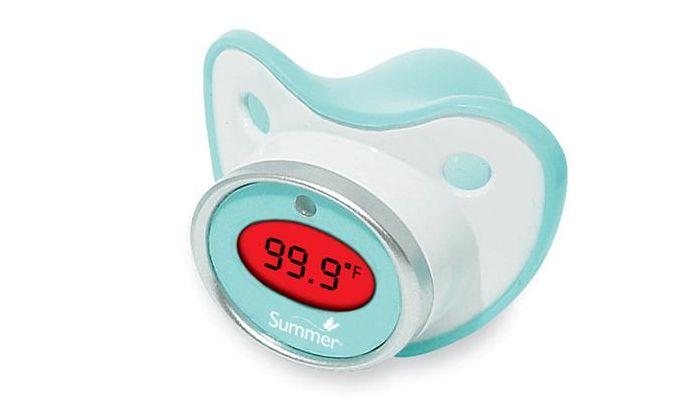
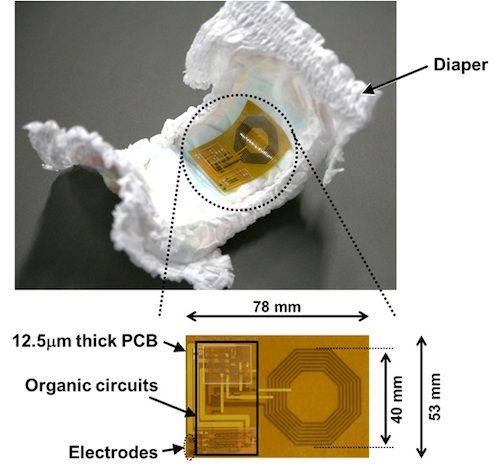
Innovative products like pacifier thermometer and organic sensor-diaper are creating a less invasive approach to monitoring health at home.
IoT-powered smart baby products like smart diaper and Sleevely are making parents life much easier by providing real-time alerts and monitoring parenting practices.
Industry implications
The healthcare sector can leverage these smart baby products to provide more convenient and efficient ways for monitoring health at home.
The IoT industry can develop more innovative products to simplify parenting practices and childcare services.
The consumer electronics industry can create more advanced and intuitive baby products that could ensure the baby's health and well-being.
Trend signals
Trend score 2.9 out of 10, from popularity 45%, activity 35%, freshness 8%.
Evidence
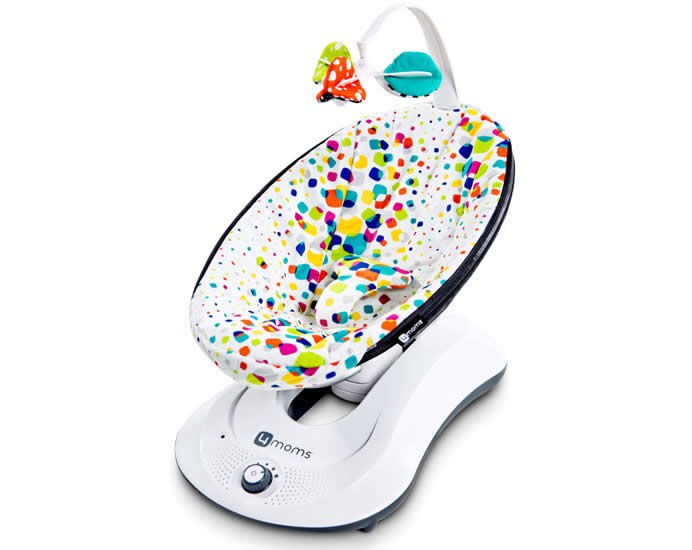
The rockaRoo Baby Rocker Analyses an Infant's Position for Natural Rocking
The development of high-tech baby rockers leads to disruptive innovation opportunities in the baby products industry, where companies can enhance the functionality and comfort of…
The Pacifier Thermometer Reads Baby's Body Temp Without Discomfort
The Pacifier Thermometer is a prime example of how baby products can be improved by incorporating technology, presenting an opportunity for innovation in this industry.
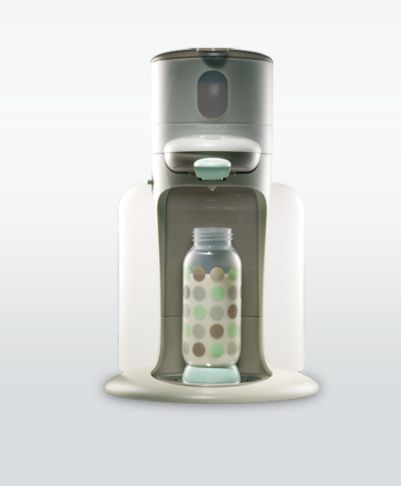
Beaba's Baby Bottle Warmer is Sophisticated & Makes Parents' Lives Easier
The baby products industry may benefit from the development of innovative and highly functional baby bottle warmers, which can offer unique features to busy parents.
The Smart Diaper Sends Wireless Alerts You When it Needs Changing
Disruptive innovation opportunity: Develop new smart diaper technology that can improve infant health and ease caregiver responsibilities.
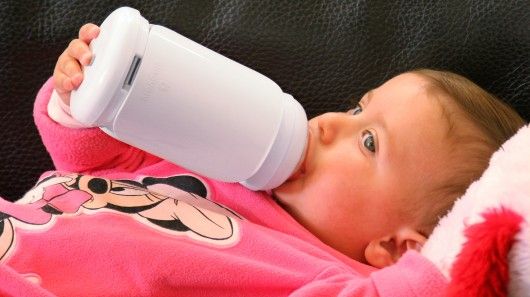
'Sleevely' Monitors Babies' Feeding Schedule and Nutritional Intake
Creating Innovative Monitoring Tools for Parents and Caregivers