Category
Fashion
Smile Cosmetics
Children are looking for interactivity and communication from dolls.
Trend
Reciprocal Play: Tired of one-sided play, children are demanding more reciprocal action and exchange from their toys. Taking digital integration of toys to the next level, toy brands are responding to this growing expectation for interactivity within entertainment by developing smarter, Internet-enabled versions of classic products.
Trend themes
Children are looking for toys that provide reciprocal action and exchange, and brands are responding with smart, Internet-enabled versions of classic products.
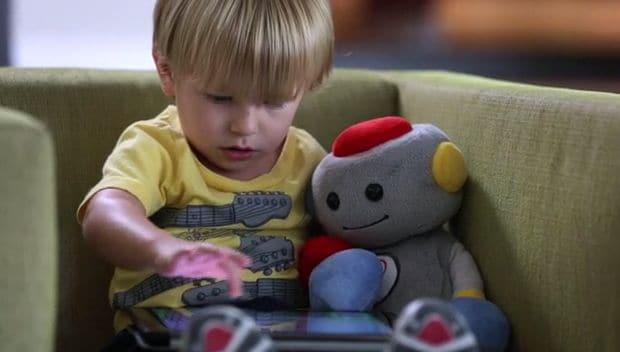
Creating an emotional attachment with toys, like TROBO, can make learning more enjoyable and help to make it a lifelong pursuit.
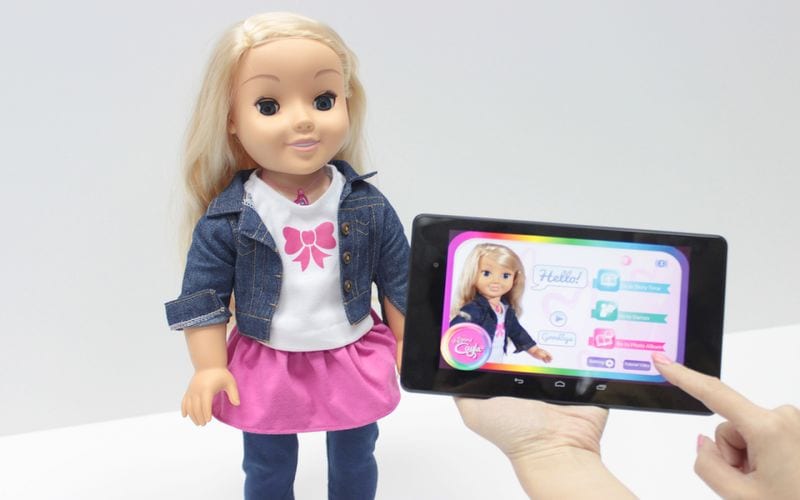
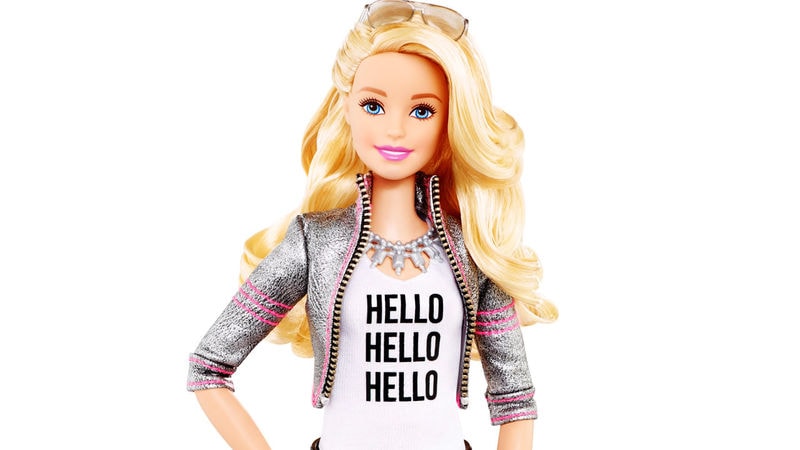
Smart toys, such as Hello Barbie and My Friend Cayla that can hold real conversations with children, are becoming an important trend in the toy market.
Industry implications
Toy companies that create interactive toys that foster learning and emotional attachment, will be more attractive to parents.
Companies that provide cutting-edge software, speech recognition, and interconnectivity for toys can benefit from high demand in the toy market.
Interactive toys that provide educational value can be integrated into educational programs and classrooms to enhance learning experiences for children.
Trend signals
Trend score 3.3 out of 10, from popularity 59%, activity 31%, freshness 8%.
Evidence
My Friend Cayla is a Toy That Has Smart Conversations with Kids
Toy companies have the opportunity to incorporate interactive technologies and create dynamic, internet-ready toys that engage children in new ways.
Hello Barbie Uses ToyTalk Technology to Have Real Conversations with Kids
Disruptive innovation opportunity: Incorporate internet connectivity and conversational AI technology into toy manufacturing processes to expand product offerings and meet evolvin…
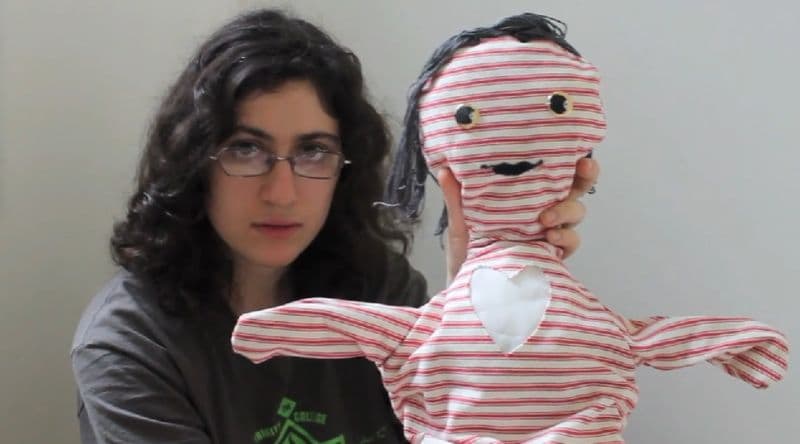
Ariel Cotton's Distance Dolls Help People Connect Long Distance
Opportunities for innovation in the toy industry for developing interactive and sensory toys.
TROBO is a Cute Doll That Will Help Kids Fall in Love with Learning
The toy industry can integrate educational components in their products to cater to both entertainment and learning needs.