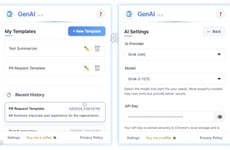



AI layers turn chat interactions into organized, reusable work assets
Trend - Brands are treating AI chat sessions less like disposable prompts and more like production inputs that need storage, structure, and retrieval. That is pushing AI content creation toward archive, search, and browser-based utility. Some of these products export conversations, analyze usage patterns, and surface past exchanges so outputs can move into broader creative and business workflows.
Trigger - For end users, the friction is no longer solely rapid-fire content creation, but also managing information and AI-produced material. As independent workers and lean teams increase their reliance on AI as an assistant for everyday output, users are prioritizing easy-to-use, trustworthy tools that help them revisit, refine, and deploy useful ideas buried in scattered chats. In this context, many are starting to view software that helps them capture, audit, and reuse AI-assisted work as more valuable because it helps them stay on track, while decreasing the likelihood of information overload and strengthening decision-making processes.
Trend Themes
-
Conversation Knowledgebases — AI chat histories are becoming searchable repositories of reusable thinking, creating room for tools that transform scattered exchanges into structured knowledge assets for work, research, and creativity.
-
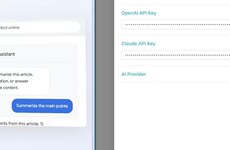
Browser-native AI Workflows — Embedding AI directly into browsing environments reduces context switching and opens space for lightweight utilities that make every webpage, document, and media asset conversational.
-
Personal AI Usage Intelligence — Analytics around prompts, topics, habits, and outputs are turning AI use into measurable behavior, revealing opportunities for reflection dashboards that help individuals and teams understand how they work with machines.
Industry Implications
-
Productivity Software — Work platforms can evolve beyond task management by integrating AI conversation archives, retrieval, and audit trails into everyday project and decision workflows.
-
Digital Publishing — Publishers and creators gain new value from dormant archives when AI-powered interfaces convert newsletters, articles, and knowledge libraries into interactive reader experiences.
-
Enterprise Knowledge Management — Organizations managing growing volumes of AI-generated work need systems that preserve context, govern reuse, and connect chat-based outputs to broader institutional memory.