



Category
Lifestyle
Assisted Choices
Couples looking to tie the knot opt for lighthearted indulgence.
Trend
Playful Luxury: Whether it's niche themes, locations or services, contemporary nuptials are ascribing to laid-back indulgences that prioritize experience. The shift toward playful luxury suggests that consumers are willing to spend money on milestone events, as long as they're reflective of the celebrants' personalities, which in today's individualistic society are more comfortably unique than ever before.
Trend themes
The shift toward playful luxury suggests that consumers are willing to spend money on milestone events, as long as they're reflective of the celebrants' personalities.
Contemporary nuptials are ascribing to laid-back indulgences that prioritize individual experiences.
Drawing inspiration from luxury cosplay, Japan leads the way in offering indulgent immersive wedding experiences.
Industry implications
The playful luxury trend is likely to create significant opportunities for wedding event planners, cake makers, and designers.
Brands, especially in the luxury and fashion sectors, stand to benefit from a shift in how young couples choose to celebrate their milestones.
Karaoke Pop-Ups and other interactive experiences are providing new opportunities for the entertainment industry.
Trend signals
Trend score 2.2 out of 10, from popularity 29%, activity 29%, freshness 8%.
Evidence
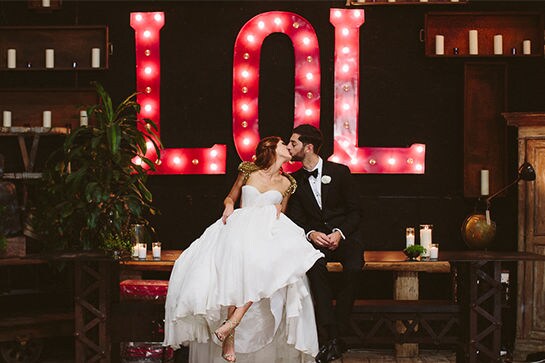
TV Personality Jessi Cruickshank Marries in Glamorously Playful Style
Event planning companies can capitalize on the trend of holding events such as weddings in unique locations, like antique stores.
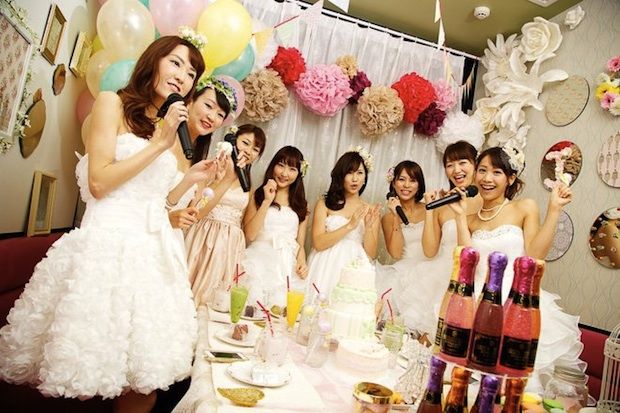
This Fun Karaoke Station Helps You Put on a Performance & a Wedding Dress
Luxury hotels, resorts and other hospitality venues could include luxury cosplay/karaoke pop-up within their premises
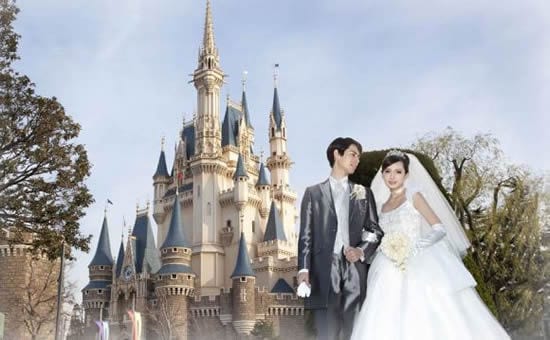
Tokyo Disneyland Offers Royal Dream Weddings at an Expensive Rate
The event planning industry can capitalize on the growing trend of Disney and fantasy-themed weddings by creating custom packages and immersive experiences for clients.
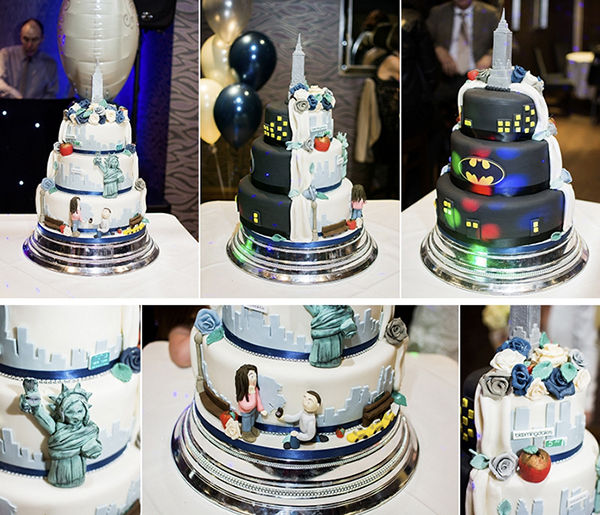
The Gotham City Wedding Cake Has a New York City Side
Bakeries can innovate by offering a wide range of dual personality cakes, allowing customers to customize and express their individual tastes and personalities.
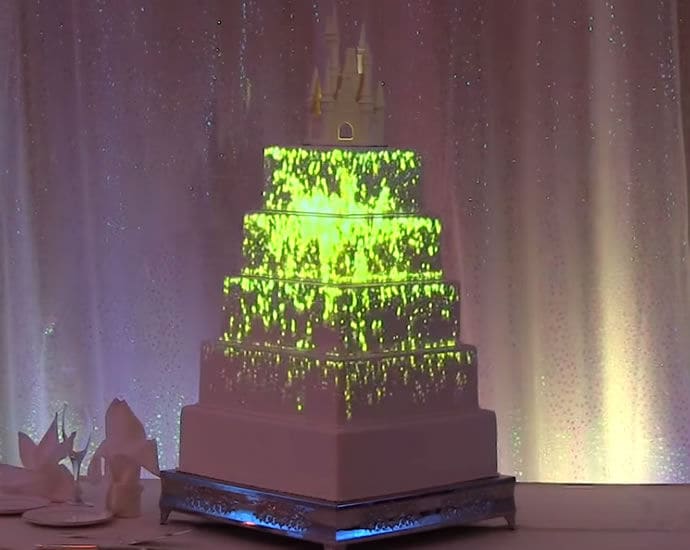
This Customizable Disney Wedding Cake Features a Flying Tinkerbell
The wedding planning industry can leverage projection mapping technology to enhance couples' wedding experiences with interactive and visually stunning elements.






