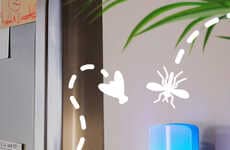


Pest control companies use products that interfere with insect mating cycles
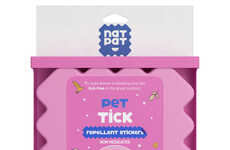
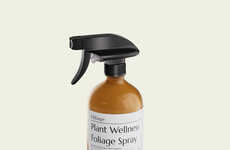
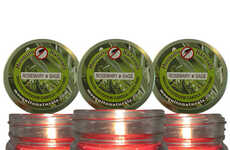
Trend - Brands are investing in pheromone disruptors that use synthetic versions of insects' sex pheromones to interfere with their ability to mate. By relying on a chemical signal, these devices confuse males so they can't find females, preventing reproduction and gradually reducing pest populations.
Insight - Farmers and horticulture enthusiasts strive to keep their plants healthy and happy, but often struggle to deal with common pests that eat or damage crops. In response, scientists and pest control companies are creating innovative, non-lethal solutions—such as pheromone-based technologies—that disrupt pest mating cycles. These companies recognize that many growers aren't looking to kill pests, but rather to manage them and prevent future infestations without environmental harm.
Insight - Farmers and horticulture enthusiasts strive to keep their plants healthy and happy, but often struggle to deal with common pests that eat or damage crops. In response, scientists and pest control companies are creating innovative, non-lethal solutions—such as pheromone-based technologies—that disrupt pest mating cycles. These companies recognize that many growers aren't looking to kill pests, but rather to manage them and prevent future infestations without environmental harm.
Workshop Question - How can your brand provide a scientific solution to a common product pitfall?
Trend Themes
-
Bio-mimicry in Pest Management — Synthetic pheromone disruptors in pest control exemplify bio-mimicry, using natural insect behaviors to control populations without harmful chemicals.
-
Eco-friendly Pest Control — The demand for sustainable agricultural practices is driving the development of eco-friendly pest control technologies that minimize environmental impact.
-
Integrated Pest Management Solutions — Integrated approaches that combine biological and synthetic pest control solutions offer new pathways for managing pest resistance and protecting crops.
Industry Implications
-
Agriculture Technology — Innovations in agriculture technology, such as pheromone disruptors, are transforming traditional farming methods by prioritizing sustainable crop protection.
-
Biotechnology — Biotechnology advances are enabling new pest control strategies that harness the power of pheromones and other natural compounds to reduce pest populations.
-
Environmental Science — Environmental science is at the forefront as it addresses global demands for less invasive and more ecologically responsible pest control measures.
3 Featured, 20 Examples:
10,754 Total Clicks
Date Range:
Sep 24 — May 25
Trending:
Average
Consumer Insight Topics: