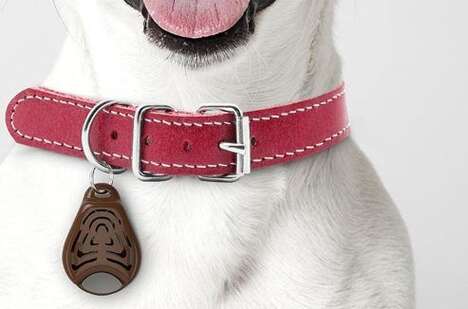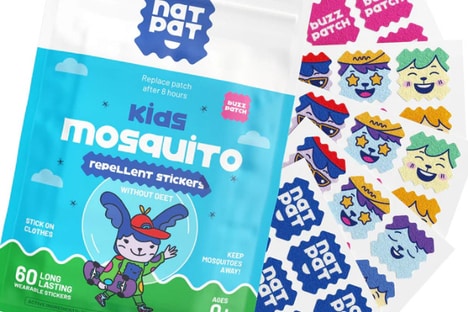
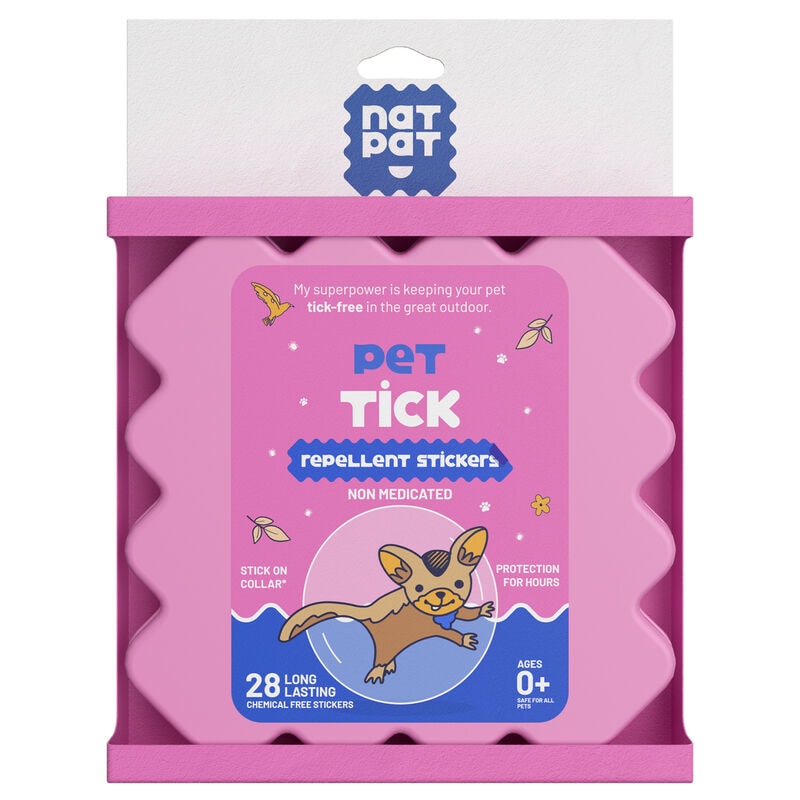
Australian wellness brand NATPAT launched Tick Repellent Stickers for pets. Developed with the expertise of dedicated pet and Bioactive Compounds Specialists, these stickers offer a safe, effective, and non-invasive way to protect pets from ticks. This innovative product is designed to provide long-lasting tick protection by using natural ingredients and ensuring the well-being of pets of all sizes and species.
NATPAT's Tick Repellent Stickers are infused with a blend of essential oils known for tick-repelling properties. Gentle on pets, these stickers minimize the risk of side effects and are suitable for sensitive pets. NATPAT is committed to sustainability, using eco-friendly materials and responsibly sourced ingredients in its products to protect pets and the planet.
NATPAT was founded by three friends, Gary, Michael, and Andrei, who have been friends since childhood and share an entrepreneurial spirit.
Image Credit: NATPAT
What Makes This Trend Stand Out
- Essential-oil-based Pet Products
- Products like Tick Repellent Stickers utilize natural essential oils, reducing the need for chemical alternatives.
- Non-invasive Pet Care Solutions
- Developments in non-invasive care methods, such as sticker-based tick repellents, offer humane and stress-free alternatives for pets.
- Sustainable Pet Wellness
- Sustainable and eco-friendly pet products are increasingly popular, as seen with responsibly sourced and biodegradable materials being used.
Sectors Adopting This
- Pet Health and Wellness
- The introduction of natural, effective tick repellent solutions signifies growth and innovation in the pet health market.
- Eco-friendly Products
- The trend towards eco-friendly pet solutions fosters advancements in the green product industry.
- Natural Remedies
- The use of bioactive compounds and essential oils broadens the applications of natural remedies in pet care.