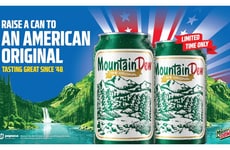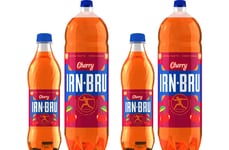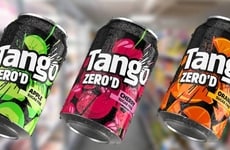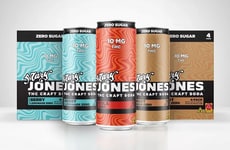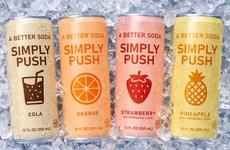

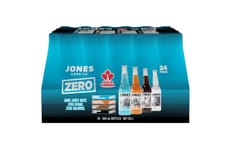

Familiar soft drink flavors are being reformulated with fewer ingredients
Trend - Soda and flavored drinks are leaning into free-from claims to reposition fizzy, flavored refreshment as a simpler, more considered choice. Taste is no longer the sole differentiator, as what’s left out of the can is just as important as what’s in it. Short ingredient lists and specific exclusions are key signals of this shift, helping brands convey trust at a glance.
Trigger - As consumers make quick judgments based on front-of-pack cues instead of dense nutritional panels, they’re gravitating toward callouts like less sugar and fewer calories as shorthand for a better choice. With endless options and limited time to weigh them, consumers look to simple, visible cues for convenience and reassurance. Advanced by regulatory movement toward cleaner formulations, ingredient transparency claims are shifting from a point of differentiation to a baseline expectation, making clarity and credibility key to how consumers choose what beverages to buy.
Trend Themes
-
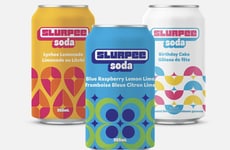
Free-from Refreshment — Ingredient exclusions such as no artificial sweeteners, dyes, caffeine or high fructose corn syrup are becoming visible trust signals that create room for beverage brands to compete on perceived purity and reassurance.
-
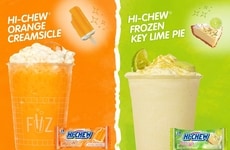
Low-sugar Flavor — Reduced-sugar and sugar-free recipes are reshaping indulgent soda and syrup formats by preserving familiar taste experiences while aligning with everyday wellness expectations.
-
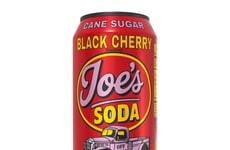
Simplified Formulas — Short ingredient lists using recognizable components like fruit extracts, cane sugar and monk fruit reflect growing demand for products that feel transparent, intentional and easy to understand.
Industry Implications
-
Beverage — Carbonated drinks, syrups and flavor enhancers are being reimagined through cleaner labels, alternative sweeteners and nostalgic taste profiles that support premium better-for-you positioning.
-
Health and Wellness — Wellness-minded consumption is expanding beyond supplements into mainstream refreshment, where calorie, sugar and additive reductions function as quick markers of lifestyle alignment.
-
Food Retail — Shelf differentiation increasingly depends on front-of-pack claims and simple formulation cues, giving retailers more ways to merchandise familiar products around clarity, convenience and trust.