Category
Lifestyle
Baseline Support
Millennial socializing sees a shift towards experiential drinking.
What's Happening
Participatory Party Culture: As experience-seekers, Millennials are incorporating this sense of excitement into their socializing, with drinking events becoming more adventurous. Excursions like bachelor parties and celebratory occasions are being upgraded to private cabins, interactive beverage tastings and multi-sensory experiences. This shift in participation-based party culture exemplifies the Millennial preference to invest time and even finances into creating memorable bonding moments.
Evidence
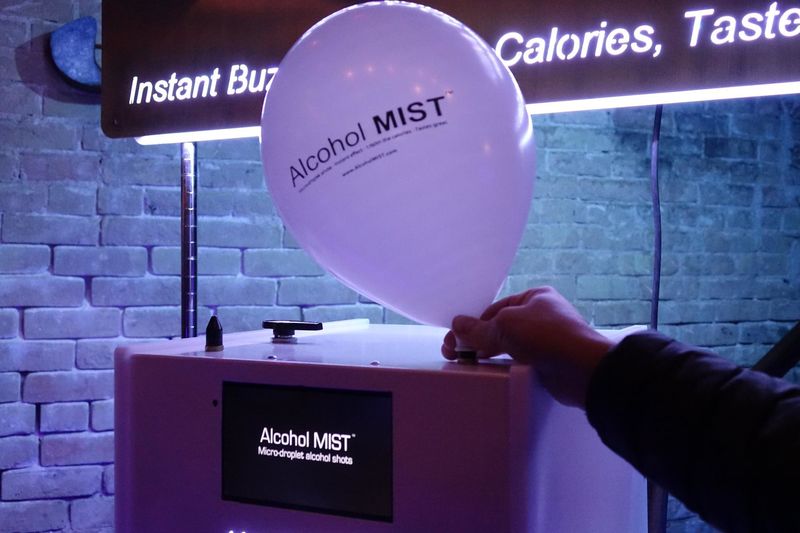
Vapshot's Alcohol MIST is an Experiential Way to Serve Liquor
The food and beverage industry can explore the use of inhalable mist and other novel consumption experiences to engage consumers.
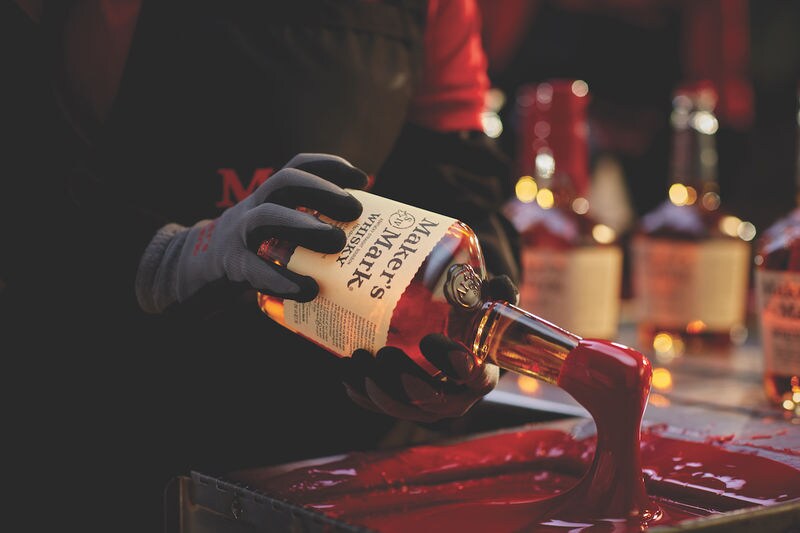
This Maker’s Mark Pop-Up Spotlights Craftsmanship and Brand History
Opportunity for food and beverage brands to create pop-up experiences that educate consumers about their products and production processes.
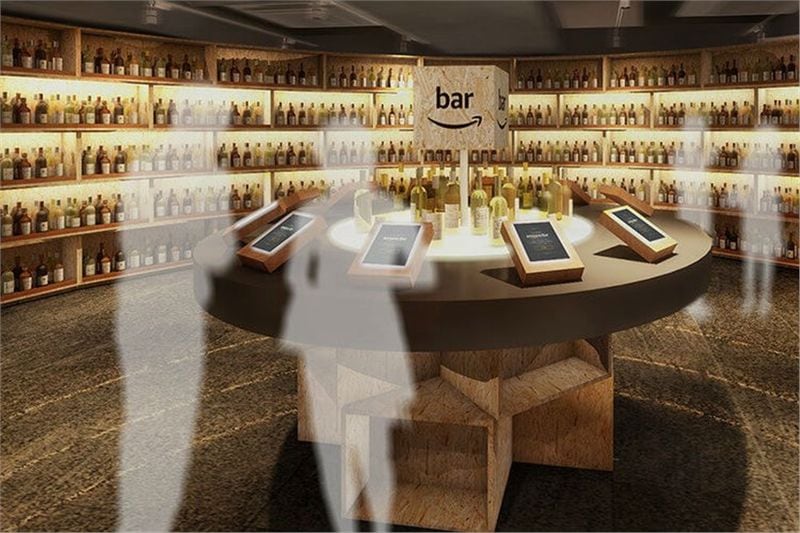
The Amazon Bar Promotes Alcoholic Drinks Available Through Amazon
Ecommerce companies can create unique, interactive customer experiences by organizing a pop-up bar or venue showcasing their products, and generate increased brand engagement with…
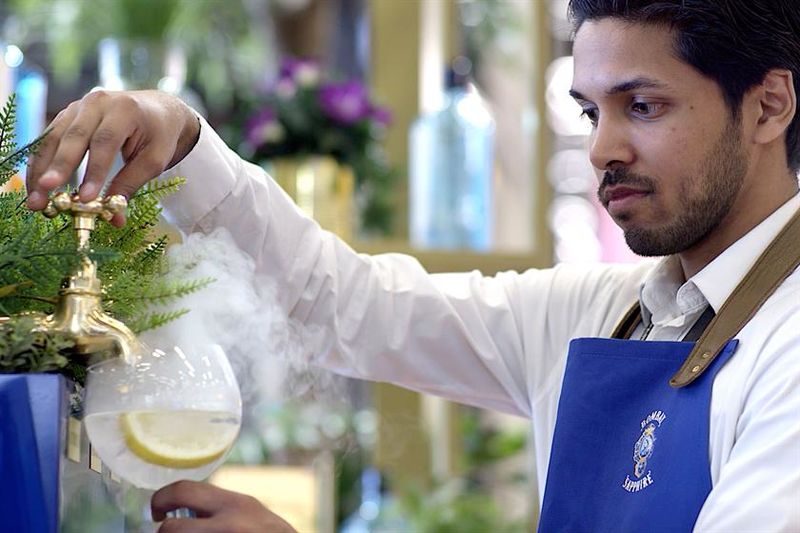
Bombay Sapphire's Flavor Experience Involves Scented Vapor Droplets
Hotels, resorts, and restaurants can leverage multi-sensory experiences to create unforgettable guest experiences and differentiate themselves in the market.
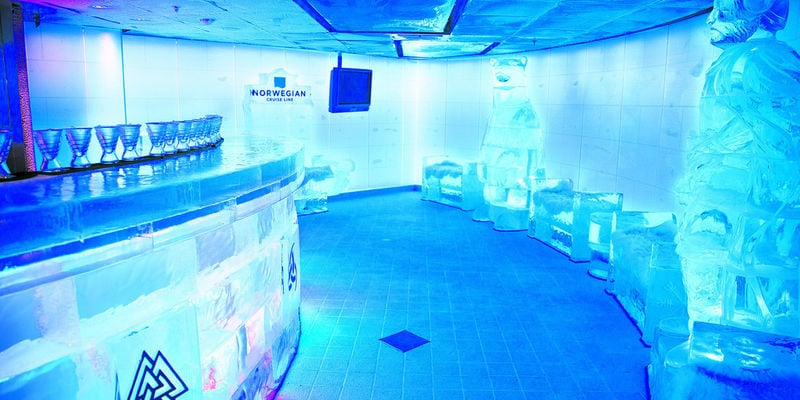
Norwegian Cruise Line's On-Board Pub is Sponsored by Svedka and Inniskillin
Hotels and resorts can incorporate experiential bars into their establishments to offer guests a memorable and immersive drinking experience.
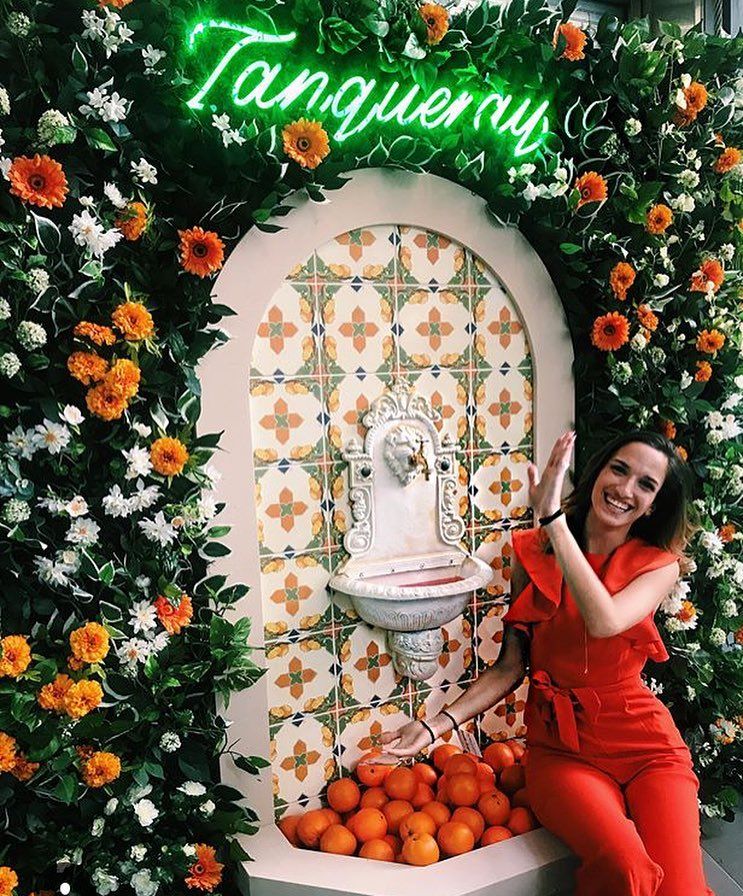
Gin Brand Tanqueray is Launching a Negroni Cocktail Fountain
Alcohol brands can innovate by creating unique cocktail fountains to promote new products and attract customers in bars and events.
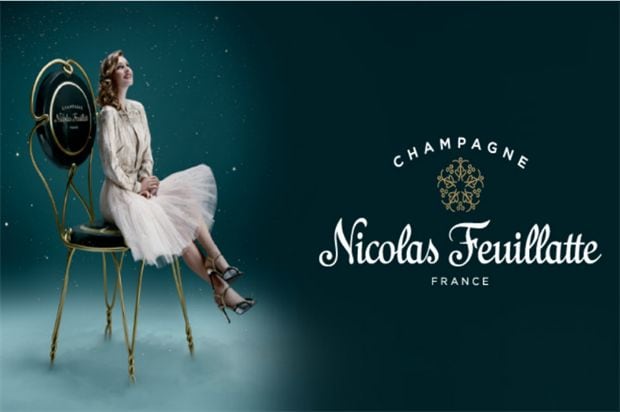
Nicolas Feuillatte is Set to Host a VR Tasting Experience
The beverage industry has an opportunity to enhance tasting experiences and create new marketing avenues through the use of virtual reality technology.
Workshop question
Knowing that Millennials are more inclined to engage with experience-based activities, what is your brand doing to align with this mentality?
Trend signals
Trend score 5.6 out of 10, from popularity 83%, activity 78%, freshness 8%.
Trend themes
Alcohol brands are upgrading traditional events by creating multi-sensory experiences that appeal to Millennials' preference for investing in creating memorable bonding moments.
Through captivating virtual reality tasting experiences, alcohol and beverage brands can engage all of the senses and tell an interesting story.
Interactive pop-ups are a great way for alcohol brands to educate visitors about history, heritage and craftsmanship, while providing a high-quality sensory experience.
Industry implications
Hospitality industry professionals can learn from the trend toward experiential drinking to create unique events and experiences for guests, resulting in increased customer loyalty.
Virtual reality industry professionals can take advantage of the VR tasting trend by developing similar experiences to showcase product offerings and tell their own unique stories.
Event planners can use the interactive pop-up trend to create brand activations that educate attendees about a company's history and mission, and create memorable experiences that stand out from the competition.