Category
Fashion
Scent Rituals
Perfume brands turn personal scents into a customizable ritual.

Trend
Participatory Fragrance: Fragrance brands are repositioning personal scents from fixed signatures to concentrated, flexible formats that anchor layered, personalized scents. Bespoke blending experiences and targeted, on-the-go applicators support customization, treating fragrance as a styling tool for shifting moods and occasions.
Trigger
For fragrance consumers, premium no longer means owning something exclusive, but scents made personal. Scent layering shapes fragrances that feel unique, even when the notes are shared with everyone else buying the same bottle. That sense of authorship turns purchases into small creative rituals and experiences that feel earned, not just compositions that smell good. Offerings that let people learn about a fragrance, influence its final expression or integrate it into their routines feel more meaningful and more relevant.
Trend themes
Fragrance is becoming a flexible accessory for moods, settings and identities, creating space for modular formats that let consumers build different scent expressions throughout the day.
Premium perfume experiences are shifting toward authorship, education and co-creation, opening new value around workshops, ingredient discovery and guided personalization.
Compact, concentrated and skin-friendly fragrance formats reflect demand for adaptable routines, with innovation potential in travel-ready applicators designed for layering and frequent switching.
Industry implications
Personalized scent rituals connect fragrance with broader self-expression behaviors, making beauty portfolios more experiential, customizable and routine-based.
High-end retail environments are evolving into discovery spaces where storytelling, craftsmanship and hands-on creation add meaning beyond product ownership.
Immersive fragrance education and branded communities show how sensory participation can turn product categories into memorable, loyalty-building cultural experiences.
Workshop question
Trajectory
Latest reading 9.7 for the week of Aug 31, 2026. Holding over the final 3 scored weeks (±0.0), at its peak of 9.7. Momentum 9.4/10, persistence 5.0/10, backed by 4 research findings.
Evidence
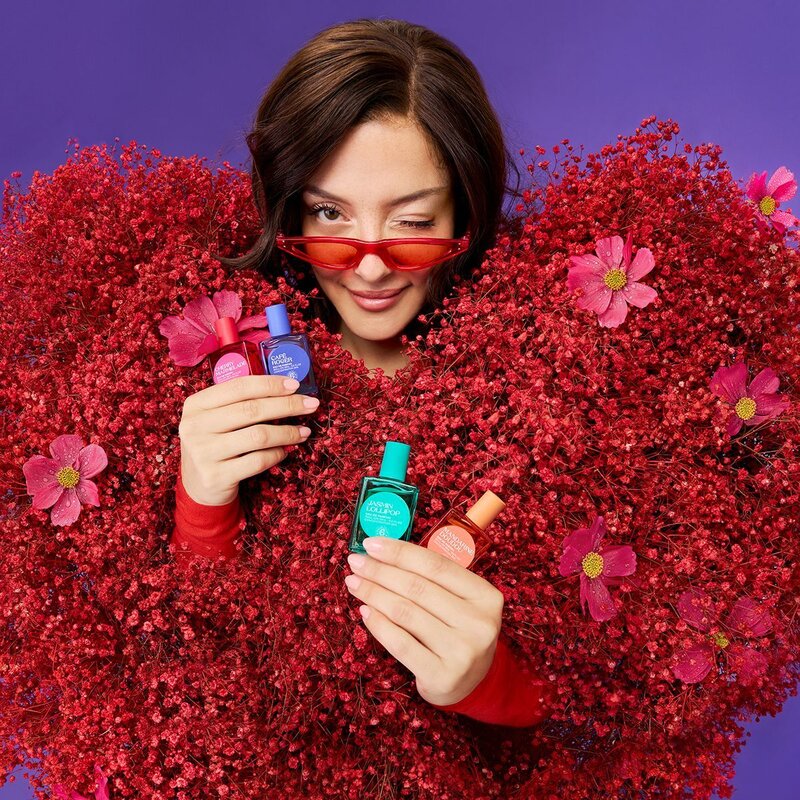
Roger & Gallet's Eaux de Parfum Collection is Alcohol-Free
The beauty market is expanding beyond traditional spray perfumes as compact, skin-friendly formats redefine how consumers apply and collect scent.
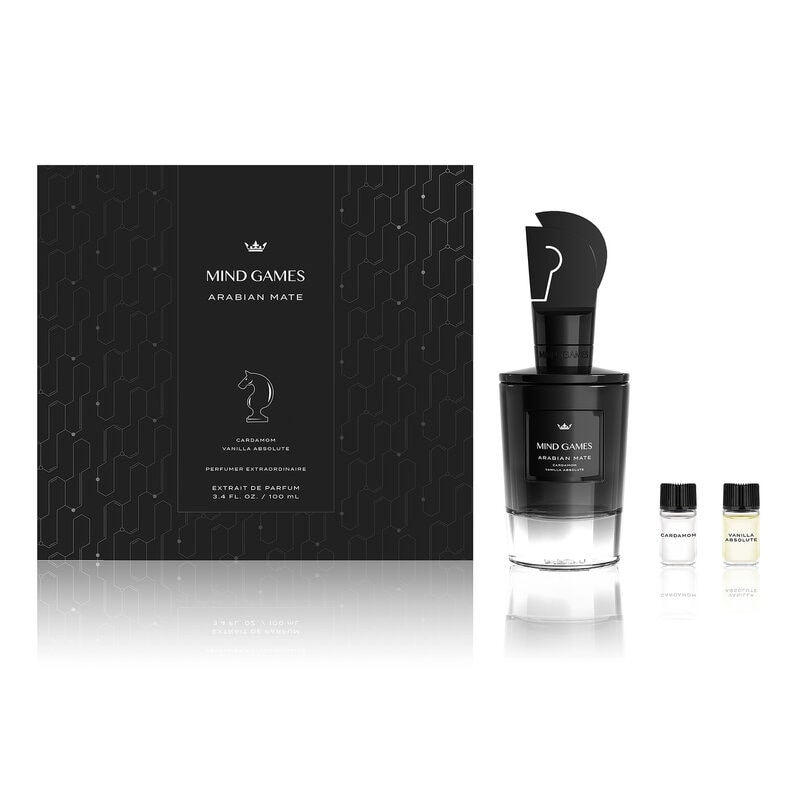
MIND GAMES Turns Fine Fragrance Into an Educational Experience
Fine perfume houses have opportunities to differentiate through immersive formats that reveal formulation, ingredients and perfumer intent as part of the product experience.
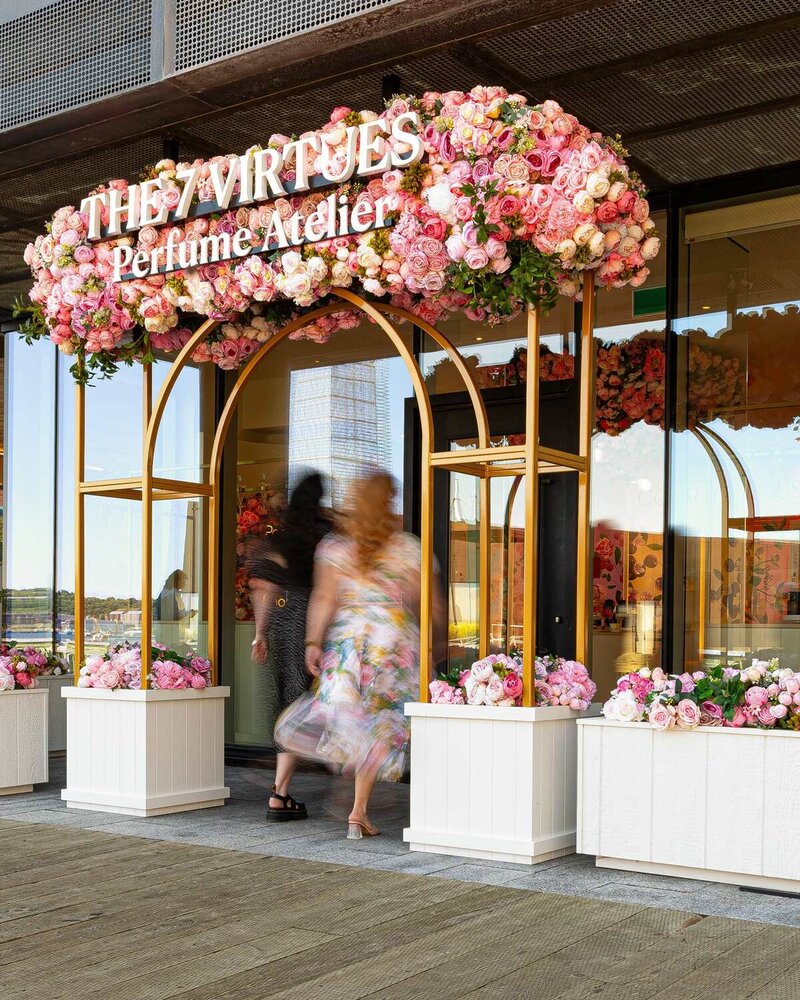
The 7 Virtues' Perfume Atelier Lets Guests Play Perfumer
Layerable scent systems and simplified blending molecules create new pathways for accessible customization in a category traditionally defined by expert formulation.
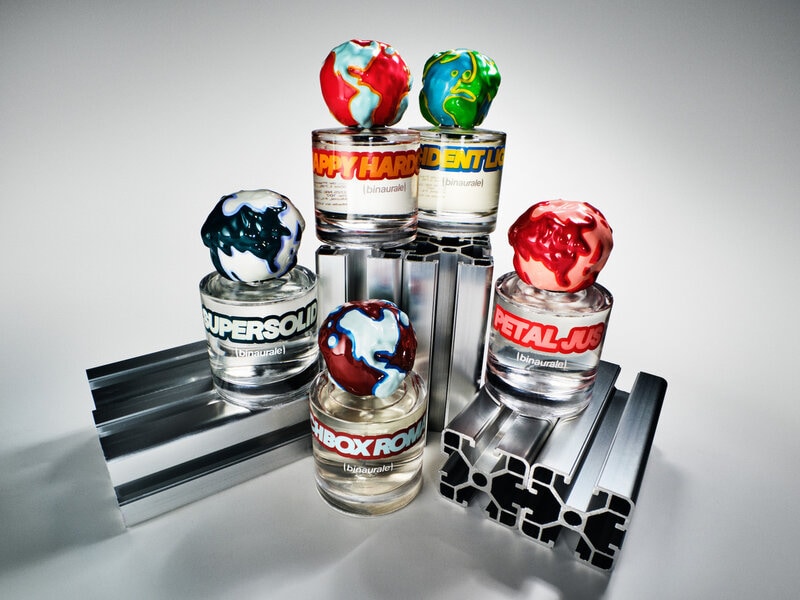
Binaurale's Eau de Parfums Unlock New Worlds Through Scent
Playful packaging and sensory storytelling open new pathways for fragrance brands to attract consumers seeking individuality over traditional prestige cues.
O Boticário is Connecting Fragrance Experts With a Global Industry Platform
Community-based expertise programs are reshaping how beauty brands build credibility, gather consumer insight, and differentiate through education-led experiences.
15 Trend Hunter articles were grouped into the wider weekly cluster this trend was identified in, over 3 weeks.
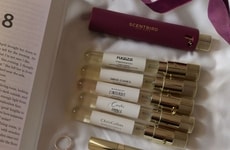 Character-Inspired Fragrance CollectionsScentbird Creates Character-Based Scents for Verity
 Coffee-Inspired Home FragrancesFebreze and Dunkin' Launched a Scent Collaboration
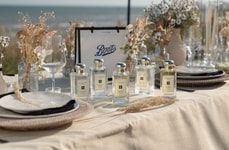 Accessible Luxury FragrancesBoots Launches Jo Malone London Across 39 Stores
 Social Media-Inspired ScentsCake Beauty's Candied Lemon Vanilla Hair & Body Mist is Fan-Approved
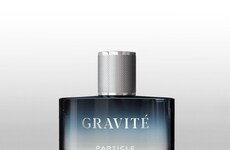 Men's Fragrance Gift SetsParticle is Launching an Exclusive Gravité Gift Set at CVS
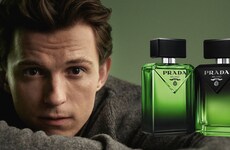 Sophisticated Men's Perfume CampaignsPrada Paradigme Le Parfum Campaign Features Tom Holland
 Perfume-Inspired Plum SorbetsEllis Brooklyn Turned Its Latest Launch into a Cooling Treat
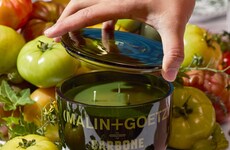 Verdant Tomato CandlesMALIN+GOETZ and Carbone Made a Second Limited-Edition Tomato Supercandle
 Amber Gourmand FragrancesD.S. & Durga Debuts a Narrative-Driven Gourmand Perfume
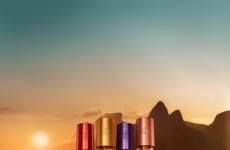 Concentrated Perfume MistsSol De Janeiro Boasts the Intense Perfume Mist
Research
Self-Expressive Products
Younger consumers increasingly expect every purchase to double as a tool for self-expression and content creation.
In a prosumer world where social posts, vlogs, and digital identities are constant, static products feel flat. Mix-and-match, collectible, and recordable formats help these consumers narrate who they are and how they feel in real time, turning routine items like fragrance or travel accessories into ongoing stories and social artifacts.
Sensory Alpha Stores
For younger shoppers, stores are becoming proof spaces, not just purchase spaces.
Physical retail now has to justify itself by delivering touch, play, and social content opportunities that a screen alone cannot provide.
Disciplined Indulgence
Younger consumers are trying to reconcile long-term money stress with a desire to feel like their lives are moving forward.
They won’t splurge indiscriminately, but they protect purchases that reinforce identity, creativity, and social participation. Products that can be ‘authored’ rather than simply owned let shoppers justify small luxuries as investments in selfhood and emotional resilience, rather than frivolous spending.
Control Splurges
When institutions feel unstable, consumers look for smaller domains where they can still exercise taste, control, and self-definition.
Selective splurges matter because they let people feel personally upwardly mobile even when they are socially pessimistic, turning beauty, dining, and personalized treats into low-risk ways to maintain agency.