Category
Lifestyle
Sugar Moderation
Savvy advertisers use our tabloid culture to put their products front and cente.
Trend
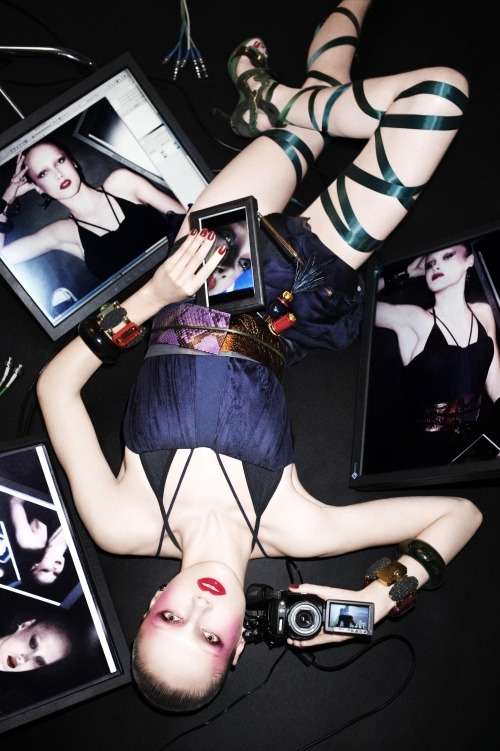
Paparazzi Parodies: It’s clear that ours is a celebrity-obsessed tabloid culture that is fueled by big-ticket paparazzi photographs. Clever marketers and designers channel this frenzy by creating lookalike campaigns that blend in seamlessly with the pages of the gossip magazines that line every magazine rack.
Trend themes
Creating ad campaigns that look as if they were lensed by a paparazzo and blending in seamlessly with celebrity-obsessed tabloid culture.
Creating stealth viral ad videos with the help of illogically large number of paparazzi following celebrities.
Using paparazzi-inspired editorials, fametography showcasing mundane moments of famous people or models combined with a unique hairstyle, makeup, and costume.
Industry implications
Fashion industry can innovatively recapture consumers' attention by releasing ad campaigns and magazine editorials that look as if they were lensed by a paparazzo.
Consumer electronics companies can get a-list endorsements by putting their products in paparazzi shots of celebrities to market them.
Photographers and magazines can showcase a unique style and cost-effective paparazzi-like work to create and showcase editorials and fametography.
Trend signals
Trend score 3.1 out of 10, from popularity 36%, activity 51%, freshness 8%.
Evidence
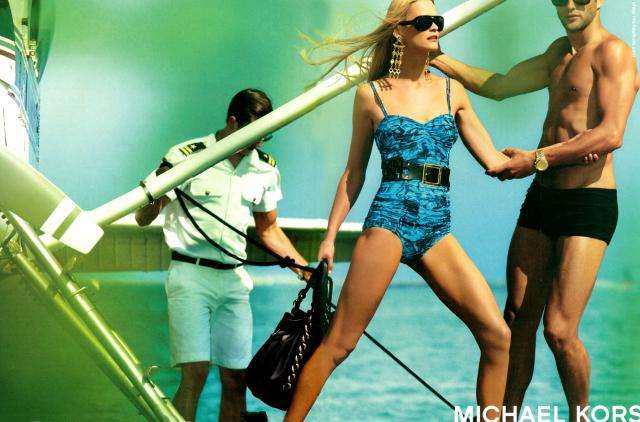
Michael Kors Cruise 2009 Ads Look Like Tabloid Shots
The fashion industry can utilize paparazzi-style campaigns and simulated tabloid shots to capture consumers' attention and tap into their interest in celebrity culture.
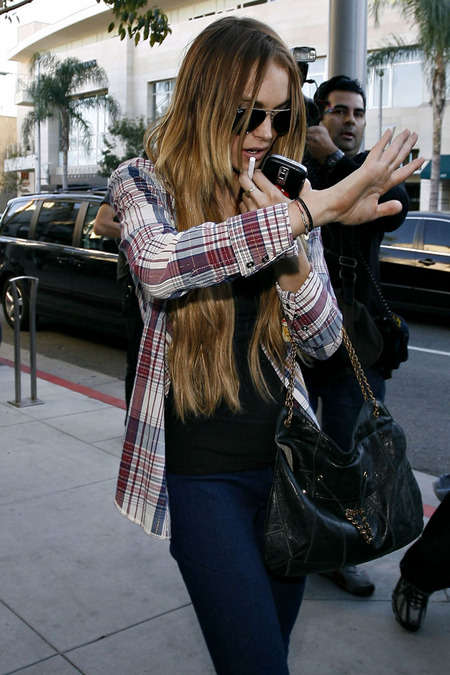
A-List Celebs Happily Flaunt Their Blackberry Bolds For the Camera
Smartphone manufacturers can explore partnerships with celebrities to showcase their latest devices in paparazzi photos for increased brand exposure.
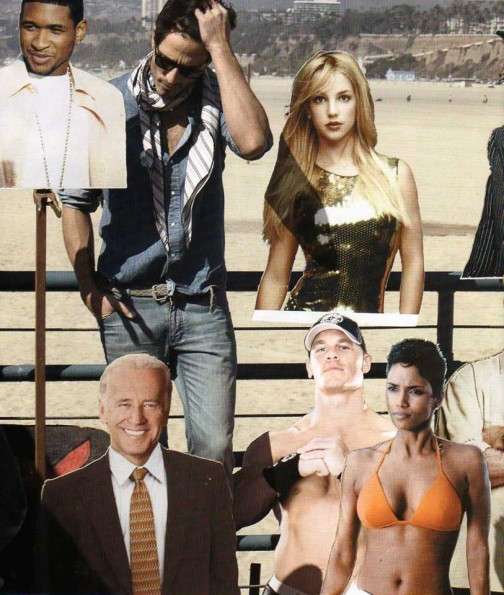
L'Officiel Hommes Follows Andres For a Day in LA
Photographers can adapt their skills to capture authentic celebrity moments and capitalize on the demand for candid photography.
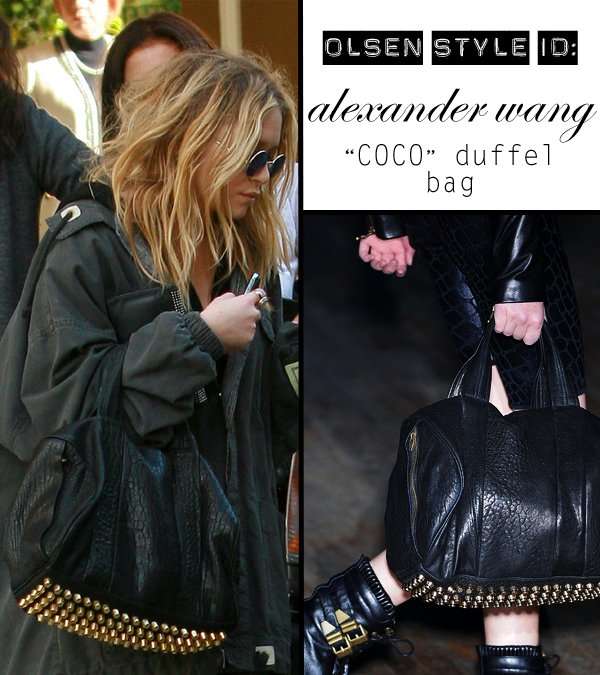
Mary-Kate Olsen Is A Real-Life Fashion Mannequin
Fashion designers can explore collaboration opportunities with high-profile celebrities to boost their brand visibility and drive sales.
'Can You Digit?' Explores the Future of "15 Minutes of Fame"
From Instagram to TikTok, social media platforms have disrupted traditional models of fame to give users their own digital voice and fame.
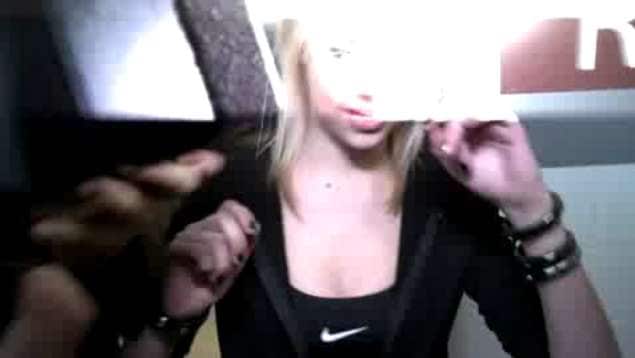
Gossip Girl Taylor Momsen Promotes Nike with Paps
Companies involved in advertising will need to rely on stealthier ways of promoting their products or services.