Category
Fashion
Scaled Restraint
A growing emphasis on individuality sparks consumers to use pieces unexpectedly.
Trend
Wardrobe Reversal: Disregarding norms and customs, consumers are using everyday clothing in new and unconventional ways. Going beyond elements of design, individuals are choosing to wear items like sweaters and shirts in ways that don’t conform to the norm. This signifies a shift toward more atypical means of expression.
Trend themes
Consumers are breaking norms and using clothing pieces in new and unconventional ways, creating opportunities for brands to provide innovative designs.
The rise of eco-friendliness and individuality is inspiring consumers to make their own sustainable fashion, creating opportunities for eco-friendly brands to provide DIY resources.
Designers are combining different clothing items into one wearable piece, creating opportunities for brands to provide versatile and functional clothing options.
Industry implications
Fashion brands can take advantage of the rise in individuality and unconventional fashion by creating innovative designs.
The rise in eco-friendly and sustainable fashion is creating opportunities for DIY-focused brands to provide resources for consumers to make their own clothing.
The combination of different clothing items into one wearable piece creates opportunities for brands to create versatile and functional clothing options.
Trend signals
Trend score 5.6 out of 10, from popularity 86%, activity 75%, freshness 8%.
Evidence
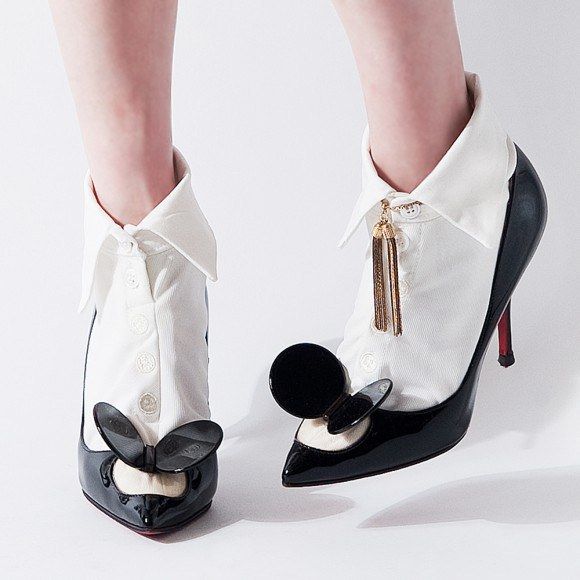
These Button Up Socks by Erimaki Sox Look Like Little Collared Shirts
Opportunity for disruptive innovation by offering unconventional sock designs and introducing a new category of dressy and formal socks to the market.
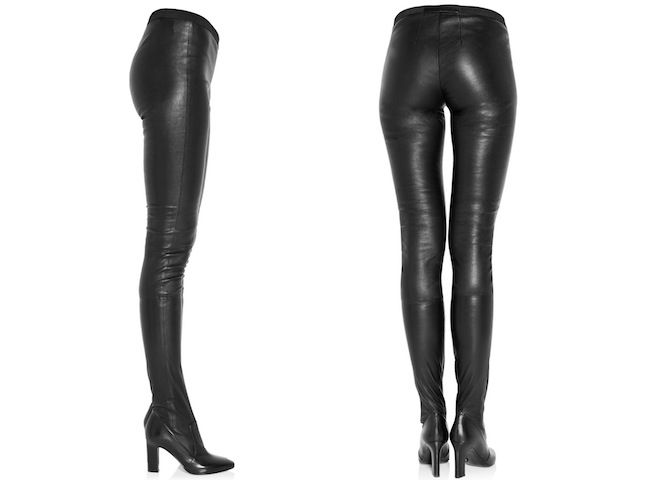
The Tamara Mellon Leather Legging Boots are the Best of Both Worlds
Fashion designers can incorporate hybrid clothing items and convenience into their product offerings to appeal to customers looking for quick and easy outfit choices.
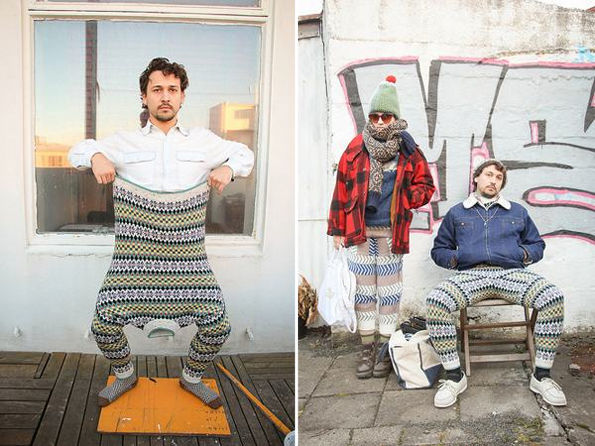
Stay Warm this Winter Wearing Homemade Sweater Pants
Offer materials and instructions for DIY fashion projects to engage customers and provide them with unique clothing options.
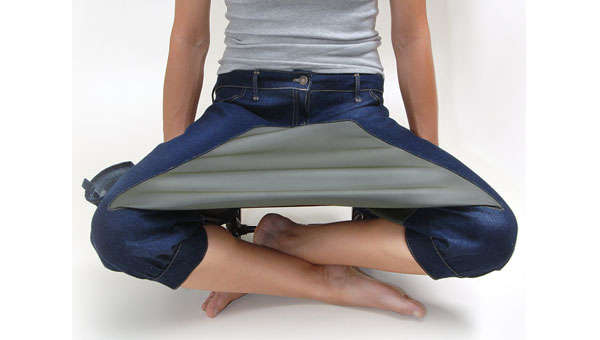
Picnic Pants by Acquacalda Design Make Eating an Easier Task
This product represents an opportunity to combine style and functionality in new and innovative ways.