
Category
Lifestyle
Assisted Choices
Religious communities are adapting virtually & in-person to COVID restrictions.

Trend
Modified Worship: Religious services are being delivered both through online platforms, as well as in-person, physically distant events. This presents individuals with a choice for what is most comfortable and safe for them as they practice their fate.
Insight
When faced with difficult and devastating times, individuals often try to focus on experiences or objects in their routines that help them feel grounded. The closures of non-essential businesses and services, as well as the need for physical distancing, have caused some of these comfort-inducing experiences to be inaccessible. As a result, individuals are looking for close alternatives that are modified as per government-imposed safety measures.
Trend themes
Religious communities have adopted virtual and in-person events simultaneously, which could lead to an increase in hybrid worship services, blurring the line between physical and digital worship.
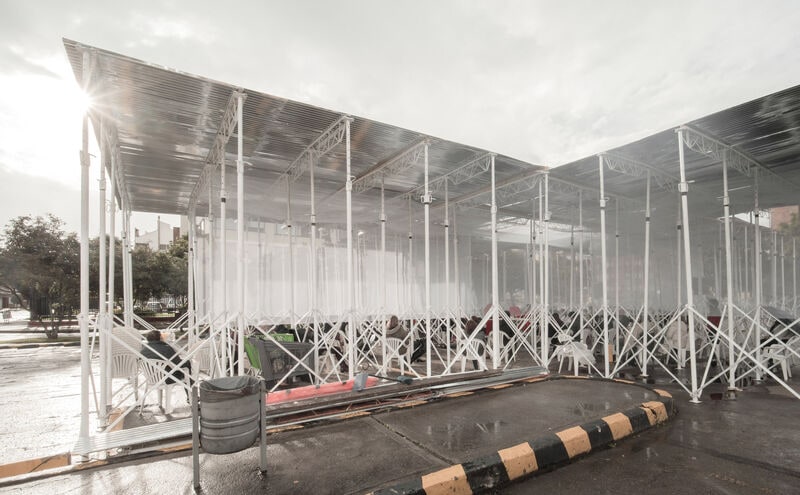
Temporary structures that allow for physical distancing, like open-sided churches, have become popular in response to COVID-19, presenting opportunities to create innovative designs for similar temporary structures.
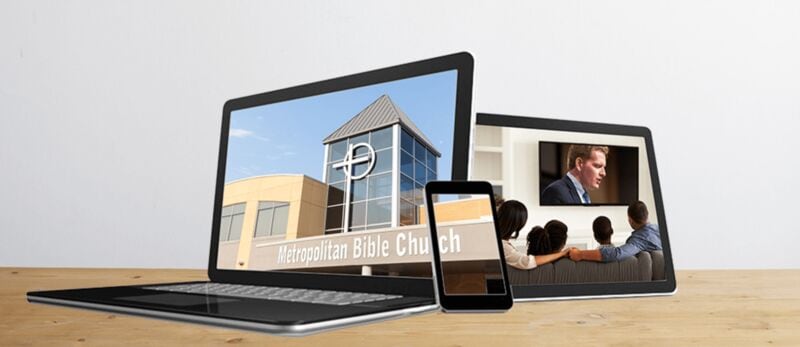
Streaming services for religious services have become more popular due to the pandemic, presenting opportunities for tech companies to improve the quality of these services and provide a more immersive experience for viewers.
Industry implications
Religious institutions are adapting to the pandemic by using technology and creating pop-up churches; opportunities exist for innovation in how religious services are delivered.
Temporary structures for gatherings, like open-sided churches, have become popular in the pandemic, presenting opportunities for innovation in how these structures are built and designed.
The rise in streaming services for religious institutions presents opportunities for tech companies to improve the quality of these services and create a more immersive virtual worship experience.
Workshop question
Trend signals
Trend score 3.0 out of 10, from popularity 39%, activity 41%, freshness 10%.
Evidence
Caret Studio's Gridded System Brings Awareness
Opportunities for businesses to innovate in public art and design, especially in creating functional installations that address public health concerns
Colab-19 Has Built a Cross-shaped Church for Worship During COVID-19
The religious industry can explore pop-up churches as a way to continue providing their services while keeping their congregations safe during pandemics.
The Metropolitan Bible Church Offers Live Services on YouTube
Religious institutions are likely to invest in technology that makes virtual church services possible.
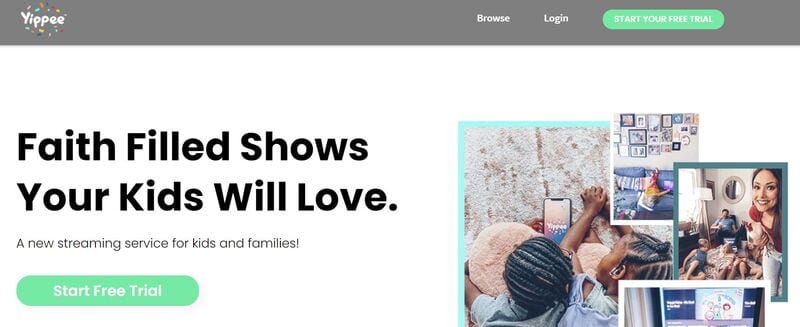
Yippee Streams Faith-Themed Programming for Families
Media and entertainment companies can leverage this trend by creating niche programming on various aspects of faith and heritage to cater to religious families.