



Category
Lifestyle
Assisted Choices
Brands are helping reduce waste with circular delivery services.
Trend
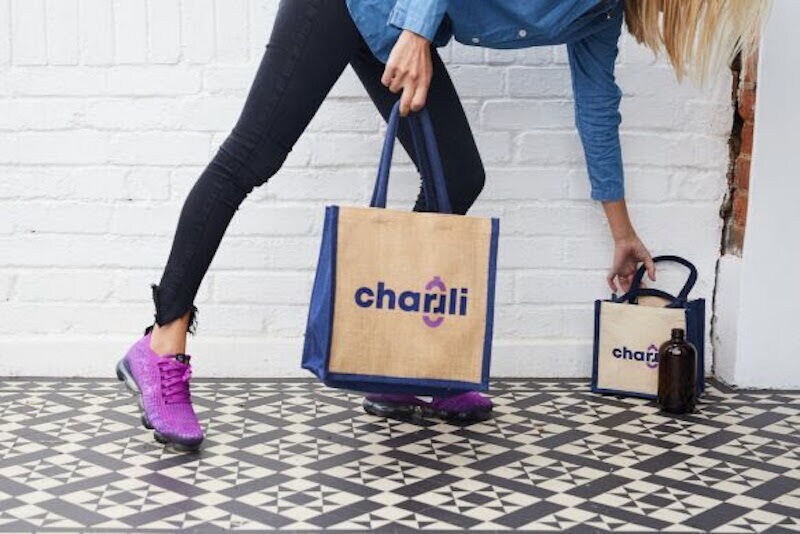
Milkman Model: Brands are launching circular delivery systems that take inspiration from the traditional "milkman model" in an effort to save materials and reduce waste. These deliveries include hygiene products, food, and alcohol. This is especially useful as the act of recycling not only uses resources but is also highly ineffective since most recyclables ultimately end up in landfills due to improper sorting.
Insight
Consumers have become more informed about the dangers of single-use plastic as it relates to the environment and wildlife. This has prompted the "zero waste" movement where consumers work to avoid using plastic wherever possible and instead purchase in bulk or with reusable containers. Brands are catering to these consumers with initiatives that reduce the environmental footprint of consumers, and consumers are flocking to brands that take on this responsibility, rather than place it on the consumer.
Trend themes
Circular delivery systems that take inspiration from the traditional "milkman model" in an effort to save materials and reduce waste have become popular.
Consumers have become more informed about the dangers of single-use plastic and are working towards zero waste.
The popularity of subscription services has soared as busy consumers seek ways to streamline their busy lives.
Industry implications
Industries that prioritize sustainability have an opportunity to tap into the rising trend of circular delivery systems and zero waste movement.
Industries that utilize e-commerce have a chance to use sustainable packaging and delivery methods, as seen in the circular shopping platforms example and the Era Zero Waste example.
Industries that provide food and beverage products can implement circular delivery systems that reduce waste, as seen in the examples of circular vodka deliveries and the Greenhouse Fresh Organic Produce Box.
Workshop question
Trend signals
Trend score 4.2 out of 10, from popularity 61%, activity 57%, freshness 10%.
Evidence
Era Zero Waste Applies the Milkman Model to Personal Care Products
Personal care companies can innovate by exploring direct-to-consumer refill models and developing more eco-friendly products.
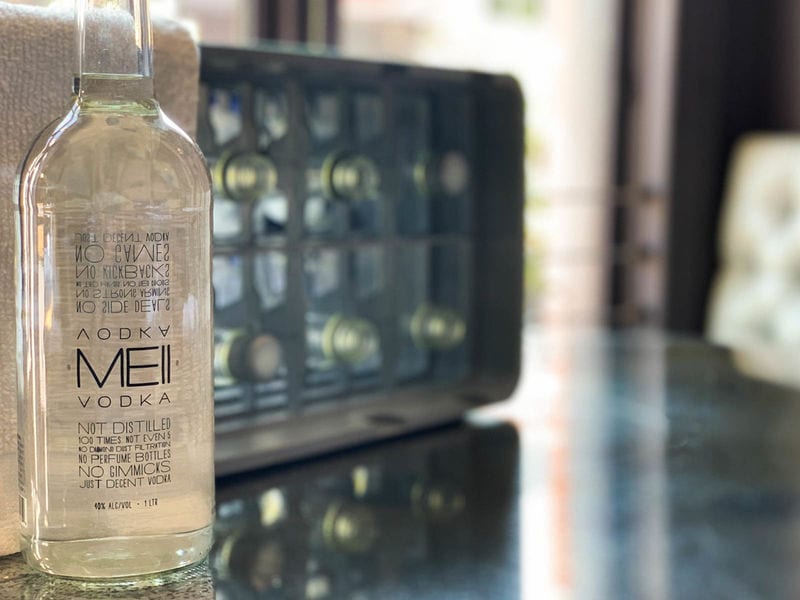
Jack Rabbit Hil's MEll Vodka Delivery Program Helps to Reuse Bottles
Food and beverage producers can innovate by adopting circular delivery models to reduce packaging waste.
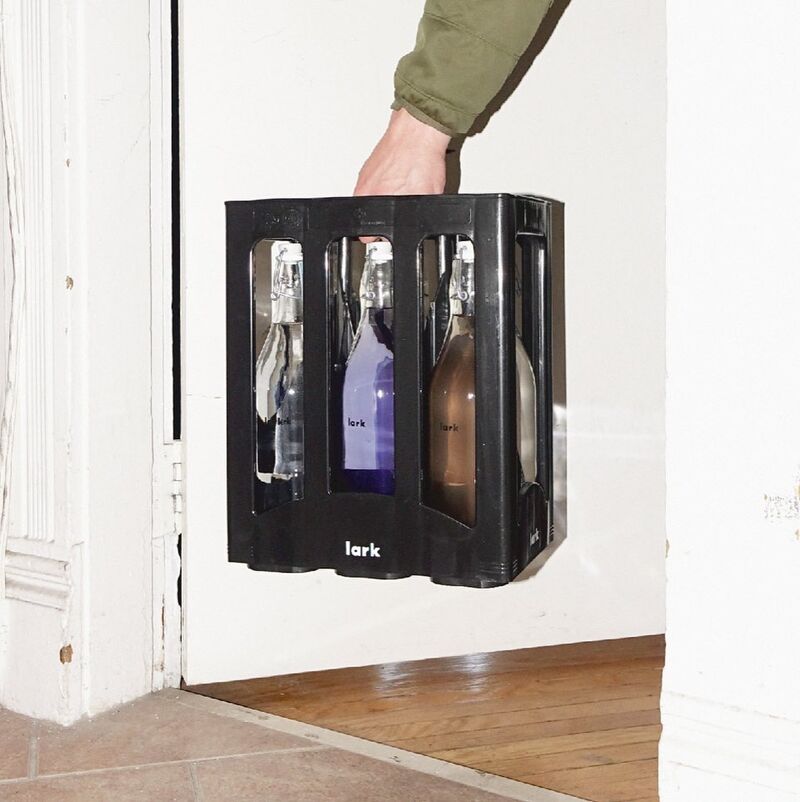
Lark Drink Food & Flora Shares Oat Milk & Spring Water Sustainably
The food and beverage industry can explore creating sustainable and aesthetically pleasing products to be sold via modernized milkman services.
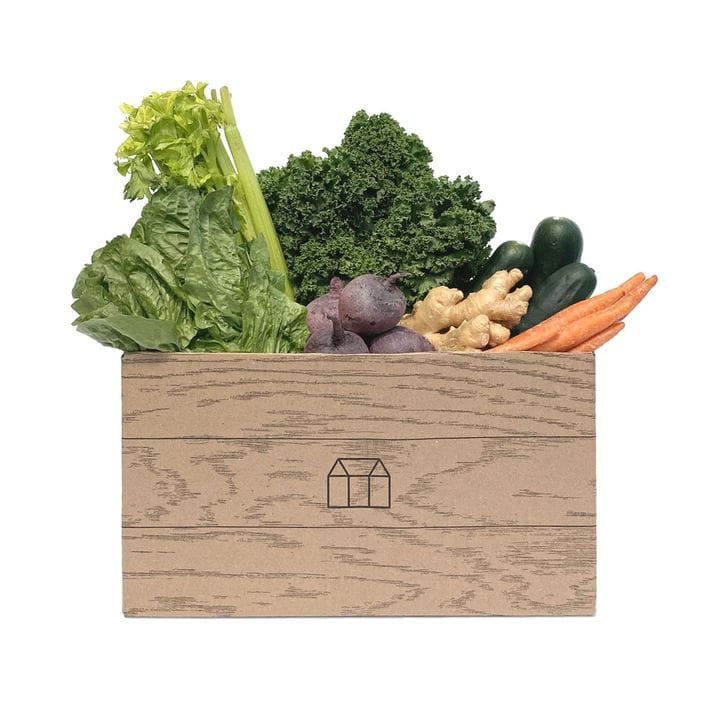
The Greenhouse Fresh Organic Produce Box is Available in Toronto
Companies within the organic food industry should consider offering produce delivery services to keep up with the evolving market.
charrli Revives the Milkman Model for Modern Life
Providing innovative solutions for reducing packaging waste.
TerraCycle 'Loop' is the First Circular Shopping System
Retailers can embrace circular shopping platforms to tap into the growing demand for sustainable and zero-waste products.
Saponetti Offers Eco-Friendly and Hypoallergenic Soaps
The subscription services industry can tap into the demand for eco-friendly products by offering sustainable and hypoallergenic options like Saponetti's soaps and detergents.






