



Category
Lifestyle
Assisted Choices
Cosmetic and fashion brands aim to reduce micro plastics in the ecosystem.


Trend
Microplastic Reduction: Brands in the cosmetic and fashion industries are aiming to reduce microplastic pollution with products and policies that avoid its use. This shift comes as microplastics are being shown as significant ocean pollutants, and end up being consumed by animals and humans alike and harmfully impacting their health.
Insight
As consumers become more aware of some of the lesser known ways that excess consumption has impacted the environment, they’re drawn to brands that offer a strong commitment to these same causes. With climate change’s impact looming on consumers’ future, they’re increasingly concerned with both the micro and macro lifestyle changes they can make to reduce the projected consequences.
Trend themes
Brands are prioritizing sustainability by reducing plastic and material waste, favoring eco-friendly materials and reusable containers, and implementing in-store bars that offer product refills.
Brands are introducing biodegradable, eco-friendly cosmetic solutions in response to the negative impact of microplastics on the environment and as consumers look for sustainable alternatives.
Retailers are reducing waste by repurposing beauty products past their best before date and by removing microplastic glitter in cosmetics to combat against the mass amount of plastic waste being produced.
Industry implications
The sustainable packaging industry can provide innovative alternatives to plastic containers and also offer biodegradable packaging solutions.
The cosmetics and personal care industry can develop more biodegradable and eco-friendly formulations and also integrate ethical and sustainable practices into their production processes.
The retail industry can reduce waste by repurposing expired beauty products and also by introducing initiatives that promote sustainability and reducing environmental impact.
Workshop question
Trend signals
Trend score 4.4 out of 10, from popularity 65%, activity 58%, freshness 9%.
Evidence
The 'Runamics' Sports Gear is Made from Merino Wool and Tencel
Disruptive innovation opportunity: Introduce sustainable fabric options and eco-friendly manufacturing practices to revolutionize the fashion and apparel industry.
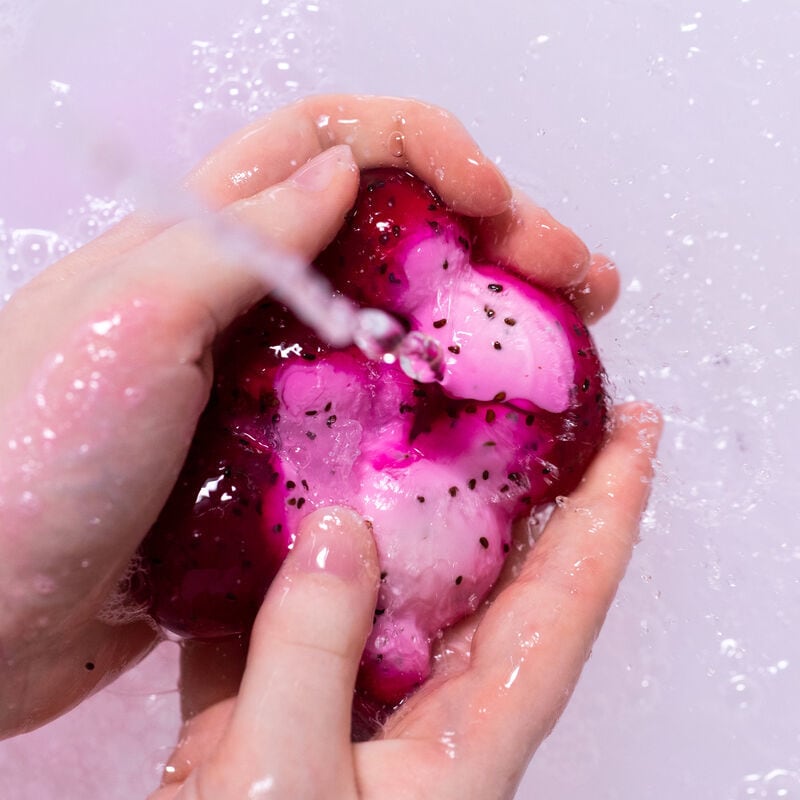
Lush Cosmetics Unveils the New Winter Berry Soap for Lavish Skin
Developing sustainable soap products that focus on natural and microplastics-free ingredients.
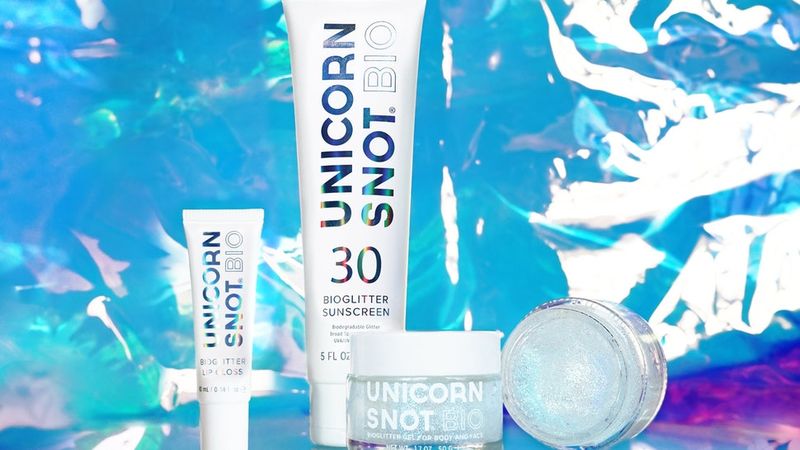
Unicorn Snot BIO Products are Made with Plant Starch Bio-Glitter
The cosmetic industry can leverage the trend towards eco-friendly glitter products by incorporating biodegradable glitter into their cosmetic lines.
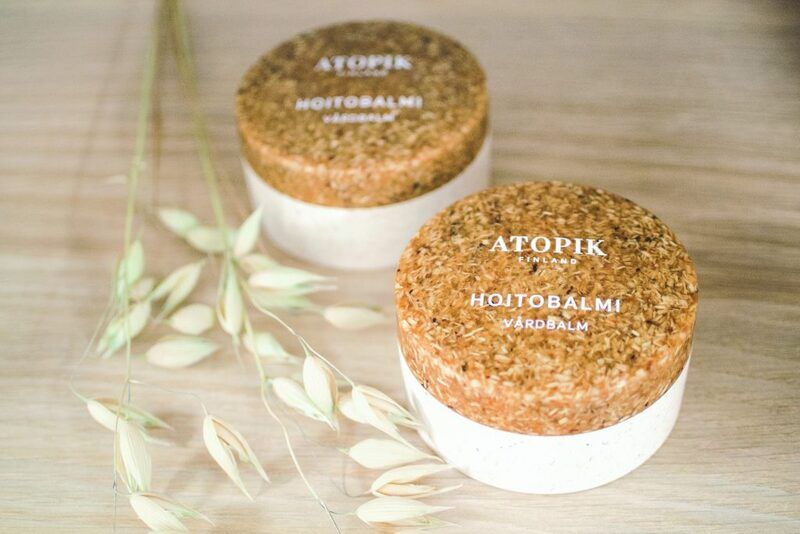
Naviter's Natural 'Atopik' Range is Packed in Eco-Friendly Raw Materials
The cosmetics and beauty industry can capitalize on sustainable packaging solutions to appeal to environmentally conscious consumers and differentiate themselves in the market.
Selfridges Pledged to Remove All Plastic-Based Glitter Cosmetics
The cosmetic and beauty industry is being directly affected by this trend, creating a space for companies to innovate with alternative ingredients, more sustainable packaging, and…

Holland & Barrett is Selling Beauty Goods Past Best Before Dates
Introducing the sale of beauty products past their best before dates presents an opportunity for retailers to tap into a new market segment.






