
Category
Lifestyle
Assisted Choices
Trend
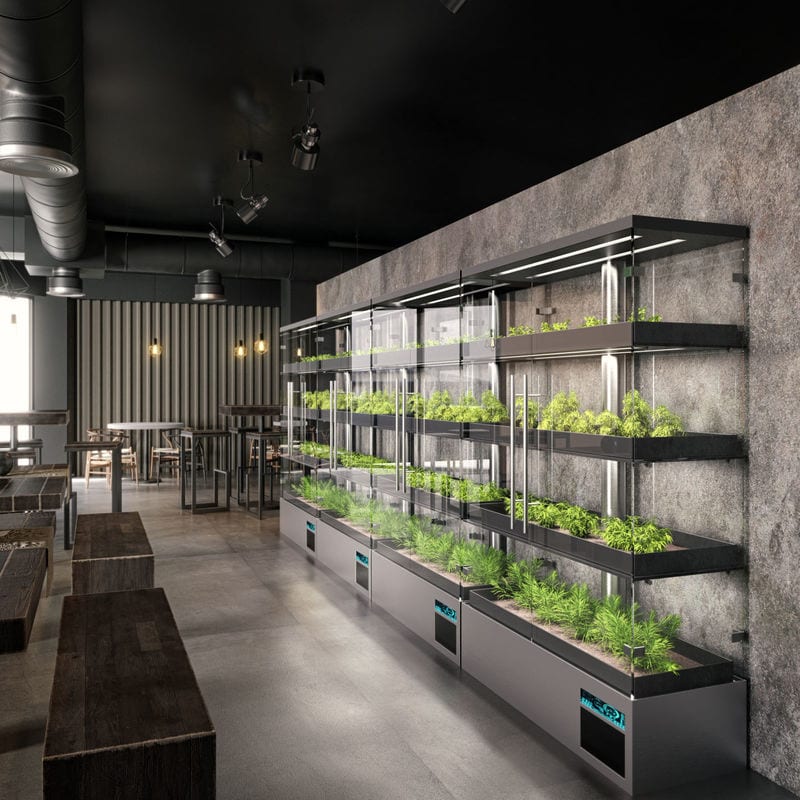
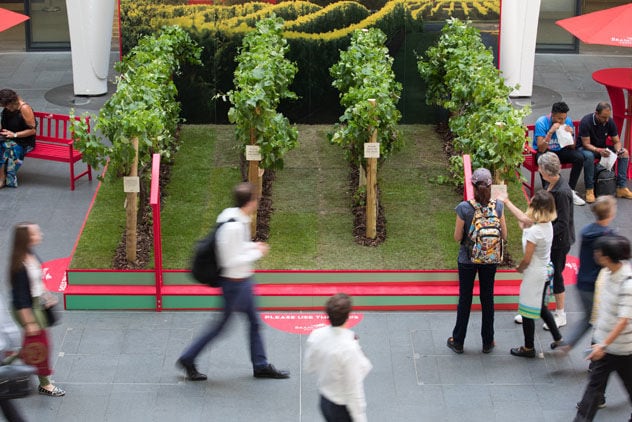
Micro-Farming: The concept of micro-farming is so diverse that it can be used to do something as simple as offer functional and attractive home decor pieces, or something as interesting as producing high-quality wine. The diversity of such agricultural technologies allows for brands to instil the perception of "small-batch" in the products they offer, while catering to consumers' preference for DIY creativity in their purchase decisions.
Trend themes
The concept of micro-farming and hydroponics technology allows brands to instill the perception of "small-batch" in the products they offer, while catering to consumers' preference for DIY creativity in their purchase decisions.
As the urban landscape shifts and develops with regard to infrastructure, architecture and technology, micro farms are an important component that can ensure agriculture does not lag behind.
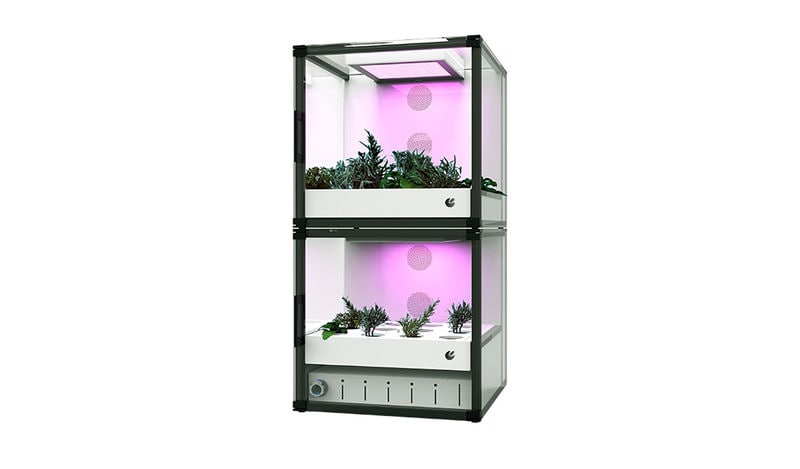
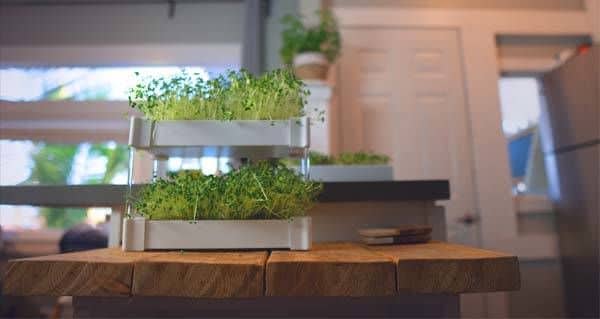
Micro-farms such as miniature indoor vertical farm system and EcoQube 'Sprout' provide consumers with compact systems for urban farming.
Industry implications
New trends in hydroponic technology for micro-farms and compact indoor farming may attract entrepreneurs in the agriculture industry.
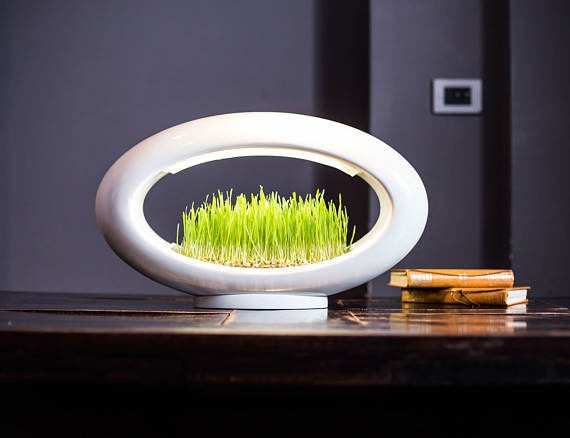
DIY agriculture concepts such as the Ecocube garden and Valsfer Shop planters blend home decor with hydroponic technology.
Urban agriculture, vertical indoor farming, and micro-farms in cities could be disruptive in the context of urban innovations.
Workshop question
Trend signals
Trend score 5.6 out of 10, from popularity 78%, activity 82%, freshness 8%.
Evidence
Babylon Micro-Farms Produces a Winning-Design for Small-Scale Farming
Potential for disruptive innovation in the agriculture industry to enhance productivity and sustainability of small-scale farming.
The CityCrop Indoor Vertical Farm System is Optimal for Small Spaces
Disruptive innovation opportunity for businesses to create new technologies and solutions that improve the efficiency and sustainability of indoor farming.
Brancott Estate Wines Set Up a Small Vineyard in a London Train Station
The wine industry can explore innovative marketing strategies like micro-vineyards to increase brand awareness and attract new customers.
Etsy's Valsfer Shop Specializes in Eco Lighting Fixture Planters
Integrating indoor gardens into home decor presents an opportunity for a disruptive innovation that appeals to environmentally conscious consumers who value aesthetics and functio…
The EcoQube 'Sprout' Grows Micro Greens in a Streamlined Format
Hydroponic products can capitalize on the interest in indoor home gardening and create more efficient and compact systems for urban consumers as they continue to prioritize freshe…
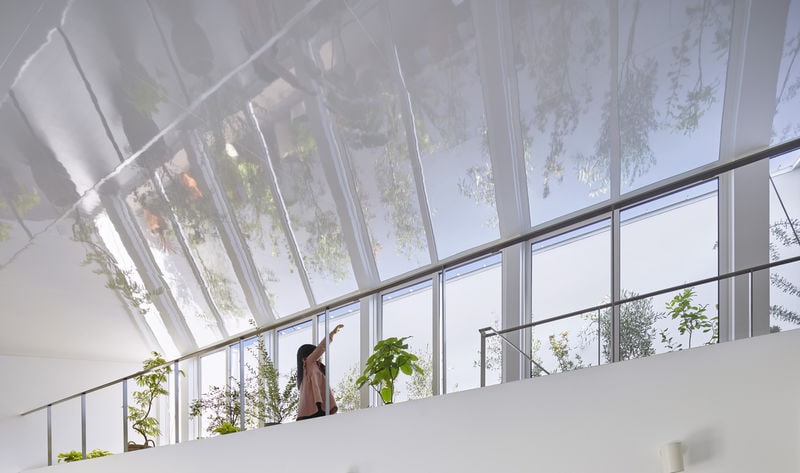
'The House with Plants' Maximizes Urban Gardening Potential
Interior designers and architects have an opportunity to create innovative micro-living spaces that make use of reflective surfaces to maximize natural light and indoor gardening…