Category
Fashion
Expert Glamour
Traditional "manliness" is shaken by men's interest in makeup.
What's Happening
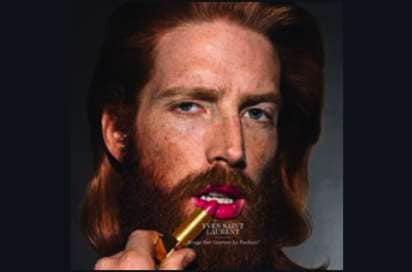
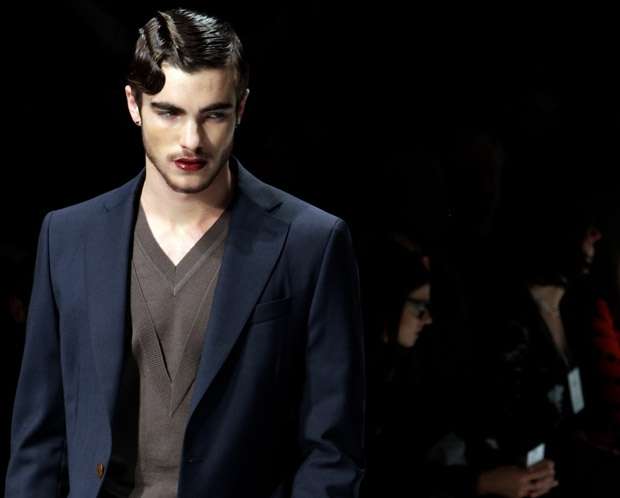
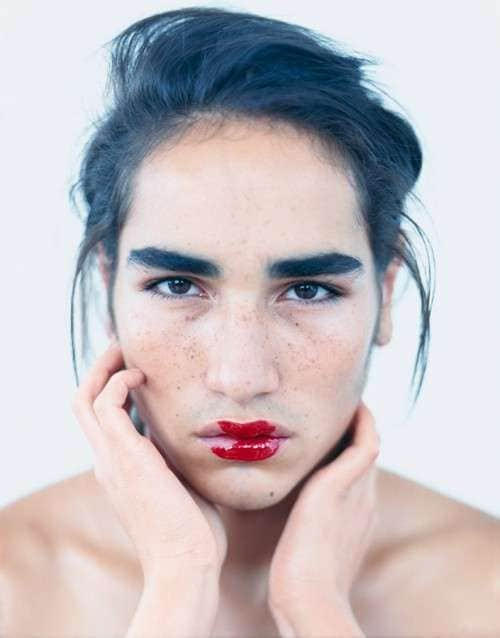
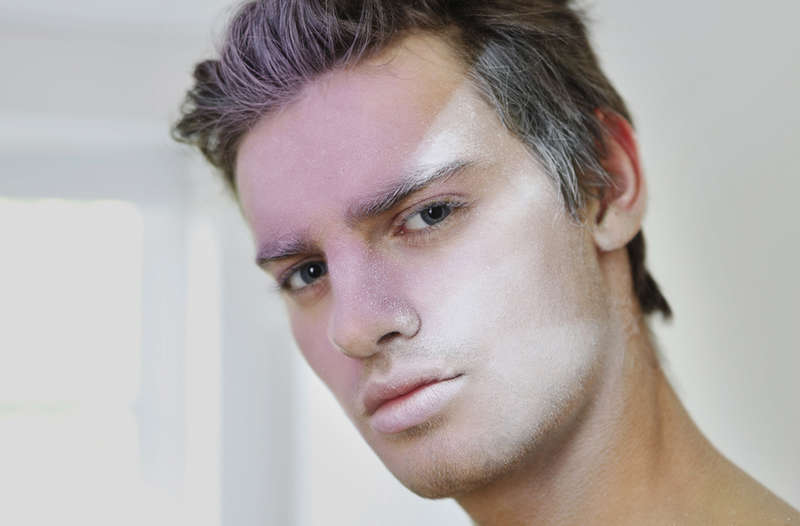
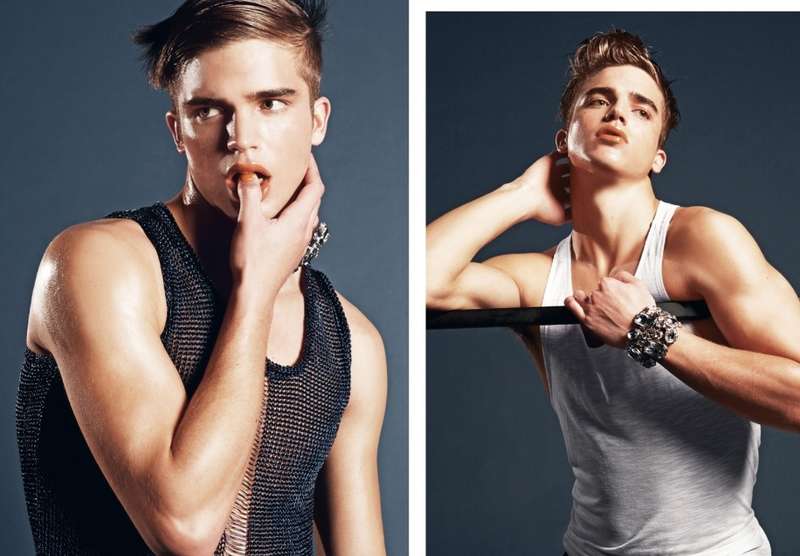
Made-Over Masculinity: With more media showcasing men’s makeup, some male consumers are becoming interested in products and services that enhance their own attractiveness. As cosmetics for men become more widely accepted among the masses, brands will have an opportunity to take advantage of a burgeoning market segment in the already crowded beauty and fashion industries.
Evidence
Lip Service by Armin Morbach Frames Gentlemen Wearing Magenta
Opportunities for cosmetics brands to tap into a new market of consumers who are interested in breaking gender norms and trying unconventional beauty looks.
The Vivienne Westwood AW11 Men's Collection is Femininely Masculine
Fashion brands and retailers can explore and invest in gender-fluid clothing lines and alternative marketing campaigns that appeal to a wider audience.
French WAD Magazine Promotes Men in Makeup
The rise of men wearing makeup creates a disruptive innovation opportunity for the cosmetics industry to develop and market products specifically targeted towards male consumers.
Photographer Jayden Tang's Eccentric Men's Grooming Editorial
Designers have an opportunity to create products that cater to the growing demand for gender fluidity in men's grooming.
River Viiperi Glistens in Ones2Watch February 2011
Fashion brands can disrupt the industry by embracing gender-fluid modeling and providing inclusive representation to a wider audience.
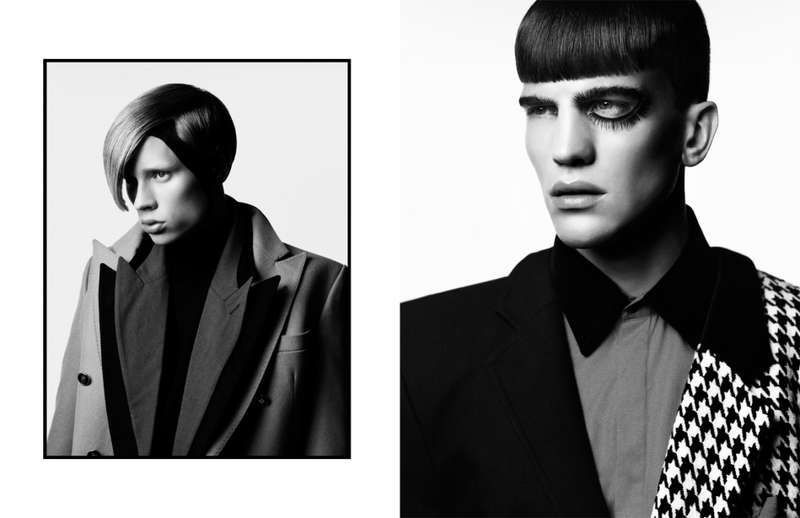
Inside the Mind of Photographer Isa Jacob
The textile and fashion design industry should explore innovative approaches to create contrasting prints that can be incorporated into fashion photography and apparel.
Trend signals
Trend score 4.3 out of 10, from popularity 59%, activity 62%, freshness 8%.
Trend themes
With more male influencers becoming interested in makeup and jewelry among other traditionally feminine items, brands have the opportunity to take advantage of a burgeoning market segment in the already crowded fashion and beauty industries.
Designers and photographers are exploring unorthodox beauty measures and presenting them in mainstream media. There is potential to create new markets for beauty products by expanding the concept of what beauty encompasses.
Social media platforms have played a significant role in promoting unconventional beauty standards, and brands can harness this opportunity to cater to changing consumer preferences.
Industry implications
Traditional fashion brands aiming to explore gender fluidity trends and expand their markets to unconventional beauty standards could experiment with new collections and campaigns.
The beauty sector can capitalize on the emerging trend by creating new products and accessories to cater to male consumers who are looking for makeup and beauty services to enhance their appearance.
Marketing agencies can facilitate and help in promoting the trend through social media by collaborating with influential male beauty bloggers and developing creative campaigns to advocate the principle of gender inclusivity.