

Category
Lifestyle
Baseline Support
Brands are releasing sakés with low or zero alcohol content.
What's Happening
Low-Alcohol Saké: The low-alcohol beverage trend now includes saké, as the Japanese rice wine is now being offered with either a limited amount of alcohol, or none at all. These products open up the demographics that could potentially enjoy this beverage.
Insight
While alcohol consumption is going down in Millennial and Gen Z demographics in North America, these same demographics are likely to enjoy diverse cuisines from around the world as a result of ethnic diversity and exposure to various cuisines through social media. Brands that are able to cater to their more cultured palettes will remain relevant among these consumers.
Evidence
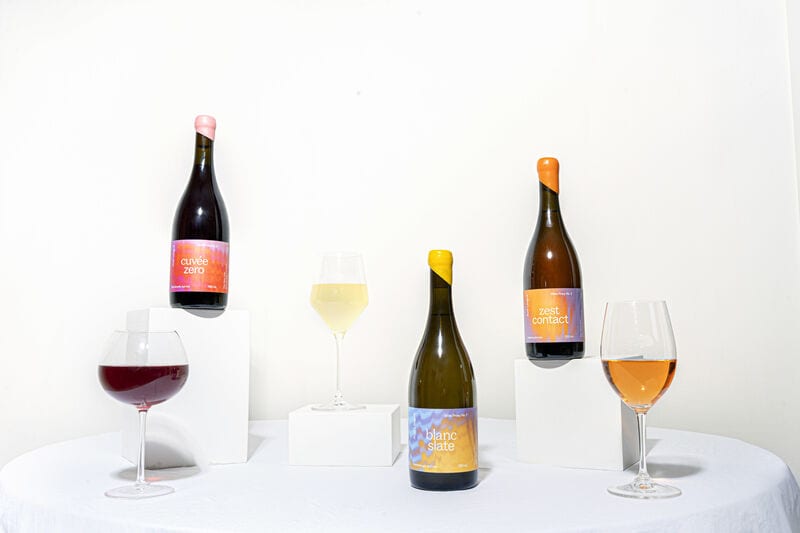
Acid League Wine Proxies are Sophisticated Wine Alternatives
The beverage industry can explore new opportunities for non-alcoholic wine alternatives and cater to the needs of non-drinkers and the sober curious.
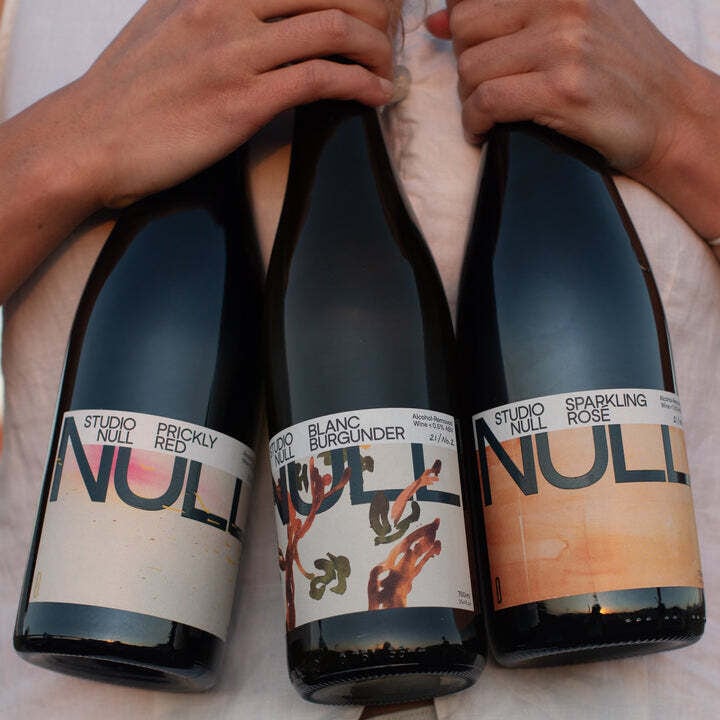
Studio Null Relies on Traditional Wine-Making Techniques
The wine and spirits industry can benefit from incorporating traditional winemaking techniques to create better-tasting non-alcoholic wines and cater to consumers who prefer non-a…
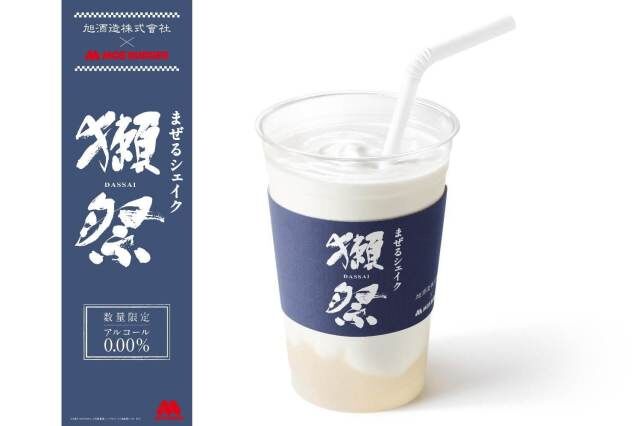
The Dassai Mazeru Shake is Served with the Mos Burger Vanilla Shake
Opportunities for collaboration and innovation in the food and beverage industry to create unique and flavorful products.
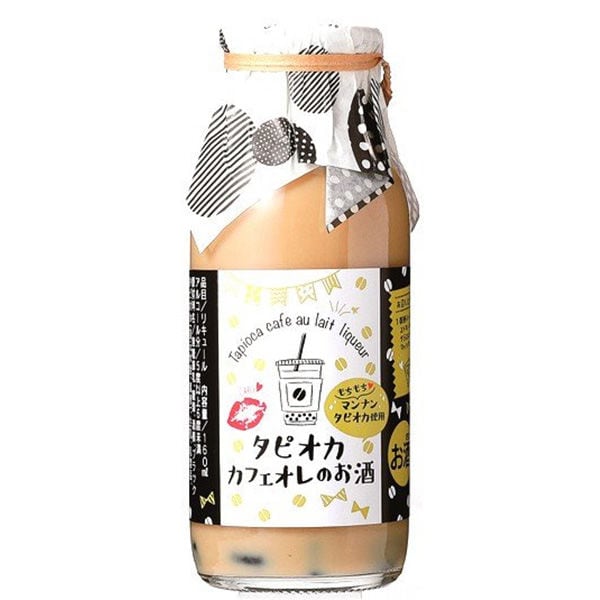
Kikusui's Tapioca Milk Tea Liquor is Packaged Like Bubble Tea
The alcoholic beverage industry can explore bubble tea-inspired drinks to target younger, adventurous consumers.
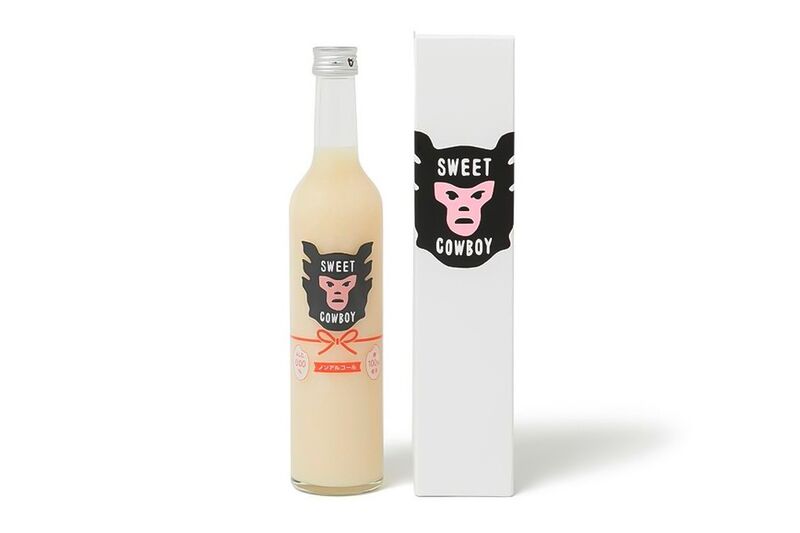
HUMAN MADE Releases Non-Alcoholic Sake Called 'SWEET BOY'
Disruptive non-alcoholic beverage options may lead to new market segments and increased revenue potential.
Workshop question
How is your brand appealing to Millennial and Gen Z habits?
Trend signals
Trend score 3.7 out of 10, from popularity 58%, activity 42%, freshness 11%.
Trend themes
The growing trend towards low-alcohol beverages includes sake, which opens up new demographics for potential consumption.
The release of non-alcoholic wines and sake alternatives provides a sophisticated drinking experience for non-drinkers and sober-curious consumers.
Innovative uses of traditional fermented beverages, such as amazake or sweet sake, create unique and flavorful beverage options for consumers.
Industry implications
The trends in alcohol consumption provide opportunities for beverage companies to explore low-alcohol and non-alcoholic alternatives.
The success of a fashion label's alcoholic sake indicates a potential market for branded alcoholic beverages.
The use of traditional wine-making techniques in non-alcoholic wine production creates opportunities for wineries to offer a healthier and traceable option for consumers.