Category
Lifestyle
Baseline Support
Restaurants update their space with hi-tech features.
What's Happening
Connected Dining: In addition to meeting demands for convenience, food service technology has evolved to serve a greater purpose of connecting consumers. Much like how beacon has revolutionized the retail space, restaurant tech has become a way to engage patrons, whether that be through integrating their devices to the space itself, or offering interactive tools. This shift emphasizes the closing gap between consumers and technology, especially as it becomes more intuitive.
Evidence
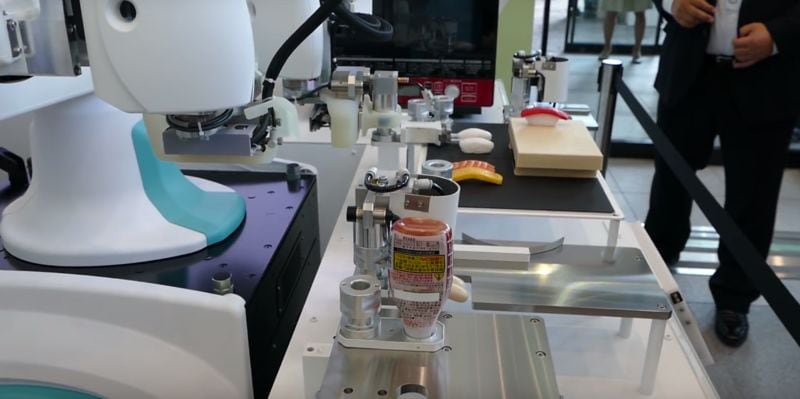
The Kawasaki Robostage Showcases an Automaton Preparing Sashimi
Implementing robotic food preparation systems in restaurants to increase speed and efficiency in meal preparation.
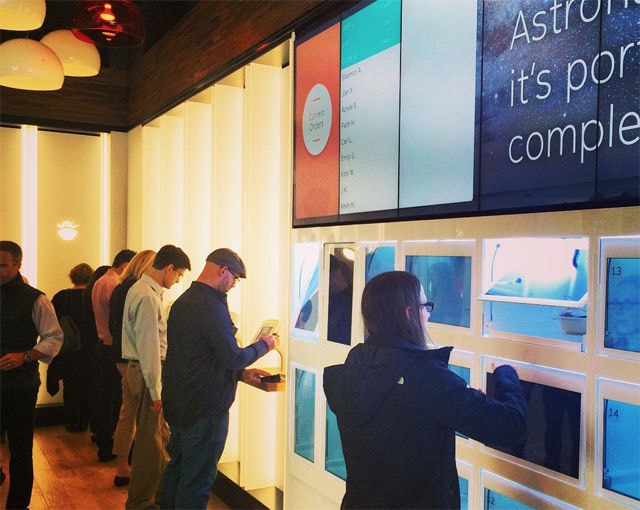
The Eatsa Restaurant Ordering System Automates Food Purchases
The restaurant industry can benefit from implementing staff-free models as a means to increase efficiency and reduce costs.
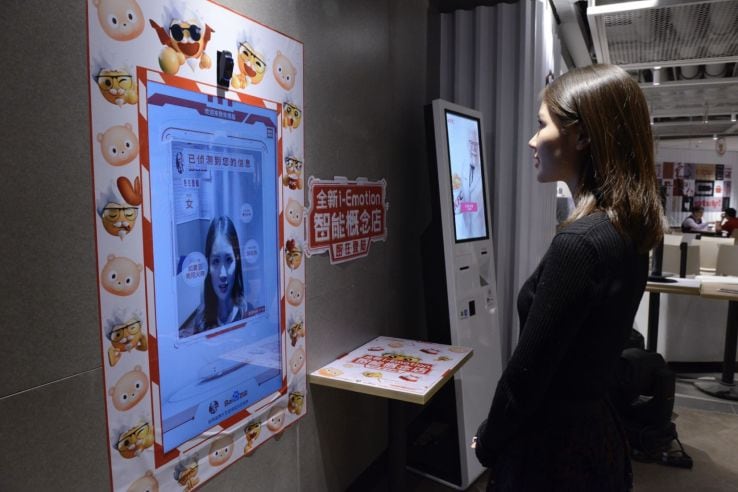
KFC's Smart Restaurant Tech Suggests Food by Looking at Guests
Disruptive innovation opportunity: Innovate and develop technologies that enhance the efficiency, personalization, and engagement in restaurant operations.
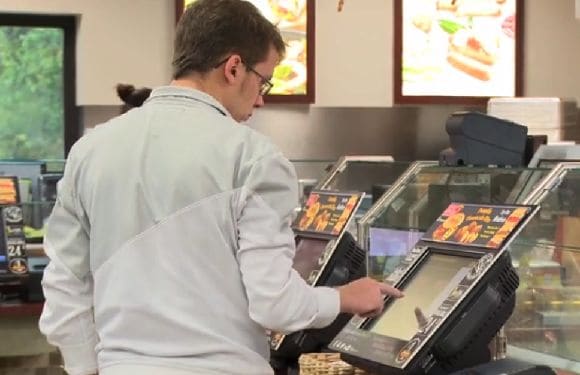
Rutter's Touchscreen Ordering Stations Remember Previous Purchases
Fast food chains can implement touchscreen ordering kiosks and mobile app features to enhance the customer experience and drive brand loyalty.
Workshop question
With shorter attention spans than ever before, how can you integrate hands-on collaboration into your offerings in order to engage younger consumers?
Trend signals
Trend score 4.9 out of 10, from popularity 81%, activity 58%, freshness 8%.
Trend themes
Restaurants are updating their spaces with high-tech features to engage and connect with consumers.
Using robots in the food space to increase product creation efficiency.
Incorporating facial recognition technology to personalize ordering experiences and speed up the ordering process.
Industry implications
Incorporating new technology like facial recognition and robots to update restaurants with new and innovative features.
Utilizing technology like beacons and facial recognition to create personalized experiences for consumers.
Implementing robotic process automation to streamline food preparation and optimize production efficiency.