Category
Autos
Keepsake Motoring
EVSE companies are focusing on inductive charging for convenience.



What's Happening
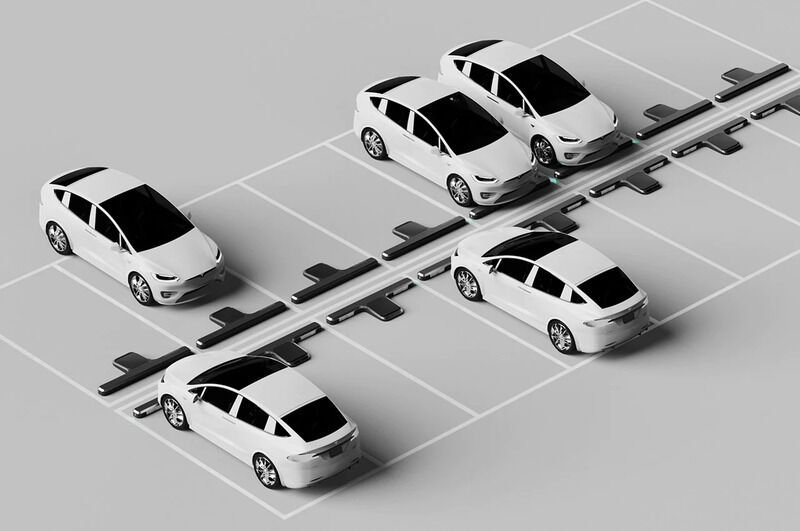
Induction Infrastructure: Companies in the electric vehicle service equipment (EVSE) industry are investing in wireless inductive charging infrastructure. These charging stations can be installed at a home driveway, or scaled to charge commercial vehicle fleets. The cost and convenience outweigh wired solutions.
Insight
Some of the largest complaints from consumers interested in electric vehicle adoption are related to range, availability of charging, and cost. These consumers prefer gas vehicles due to the affordability and ease-of-access of gas stations. However, when EV charging stations become more frequent, more consumers in the region purchase electric vehicles. As such, EVSE companies are looking to deploy wireless inductive charging infrastructure at scale to accelerate EV adoption.
Evidence
The Conceptual 'Timber Shuttle' is Eco-Focused
The Timber Shuttle's sustainable and autonomous design could disrupt the traditional transportation industry by offering a more eco-friendly and convenient alternative.
The Conceptual 'Watt' EV Charger is Efficiency Focused
The wireless charging technology in parking spots will disrupt the automotive industry by creating a new standard for electric vehicle charging.
Volvo and Momentum Dynamics Are Testing Wireless EV Charging Pads
The development of wireless charging pads for EVs presents opportunities for EV manufacturers to provide integrated charging solutions to their customers.
InductEV Offers Clean, Wireless EV-Charging Infrastructure at Scale
Wireless EV charging can have a profound impact on the electric vehicle industry, transforming the way EVs are charged and improving overall user experience.
WiTricity's Automotive Charging System Outperforms Wired Chargers
Wireless EV charging has significant business implications for the EV industry.

Trafikverket is Leading a Project to Charge EVs Whilst Driving
Opportunity for transportation companies to invest in R&D to incorporate electric roadways that provide efficient charging solutions for EVs.
Workshop question
How could your brand employ forward-thinking solutions that alleviate consumer concerns?
Trend themes
EVSE companies are investing in wireless inductive charging infrastructure to accelerate EV adoption.
Designers are developing wireless charging solutions that eliminate the need for physical connections, making charging more convenient.
Transport administrations are exploring the implementation of electric road highways to charge EVs while driving, reducing waiting time at charging stations.
Industry implications
The EVSE industry can focus on developing affordable and efficient wireless inductive charging infrastructure to meet the increasing demand for EVs.
The charging solutions industry can innovate by creating wireless charging pads or tiles that can be easily installed at existing parking spots, enabling seamless charging for EVs.
The transportation infrastructure industry has an opportunity to collaborate with electric road highway projects to revolutionize EV charging and enable continuous charging while on the move.
Trend signals
Trend score 4.5 out of 10, from popularity 64%, activity 56%, freshness 16%.