Category
Art & Design
Oven Aesthetics
The growing fixation on "imperfect" design pieces counter the minimalist trend.
Trend
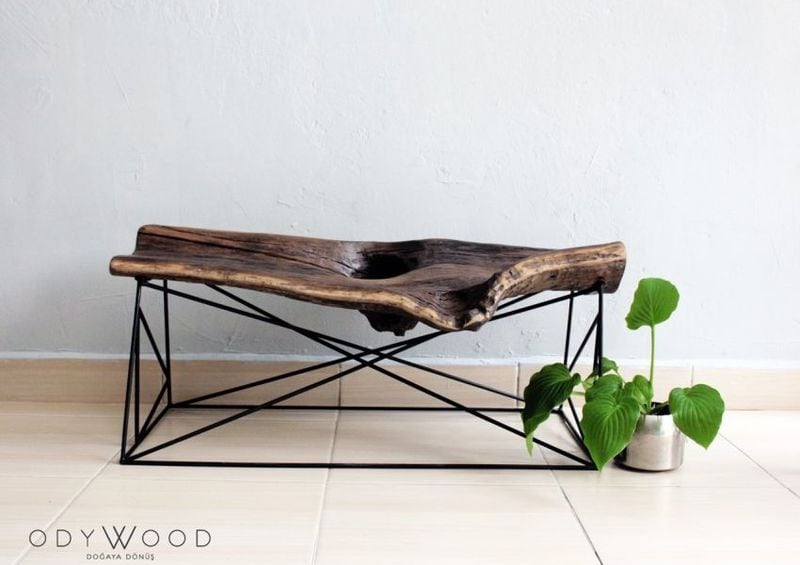
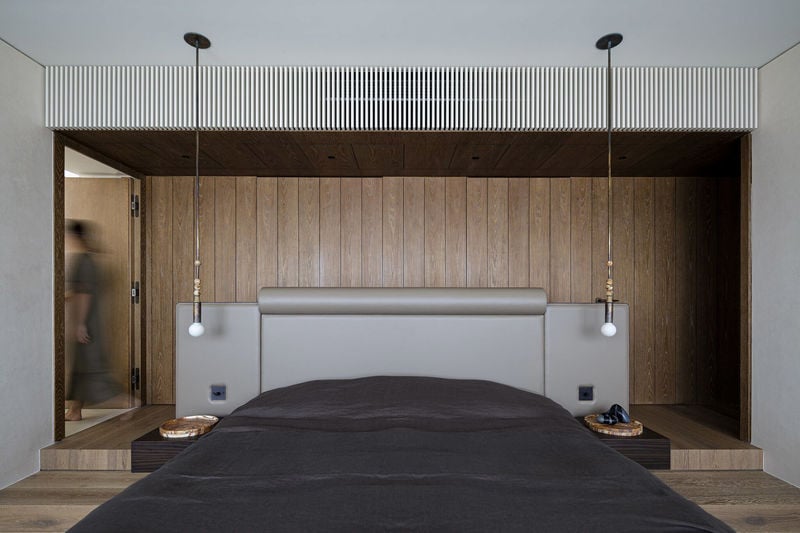
Imperfect Design: Though minimalism is still a hugely popular design trend focused on clean lines and open spaces, "imperfect" design is becoming increasingly popular in the home. This involves designers intentionally using imperfections to balance out interior spaces and make them more unique.
Insight
Younger consumers in North America are especially inclined to use design and aesthetics as a way to express themselves, a trend which is in-part influenced by their social media use. These demographics often prioritize pieces that will stand out rather than blend in.
Trend themes
Designers intentionally use imperfections to balance out interior spaces and make them more unique.
Designers use Japanese wabi-sabi philosophy as an inspiration to accept transience and imperfection, realizing the beauty behind the flawed, the impermanent, and the unfinished.
Designers combine different materials to create a sense of balance and to achieve an artistic and unique appearance.
Industry implications
Imperfect design trend influences the home decor and design industry.
Ceramic companies' shift to direct-to-consumer model affects the hospitality industry's sourcing of unique dinnerware pieces.
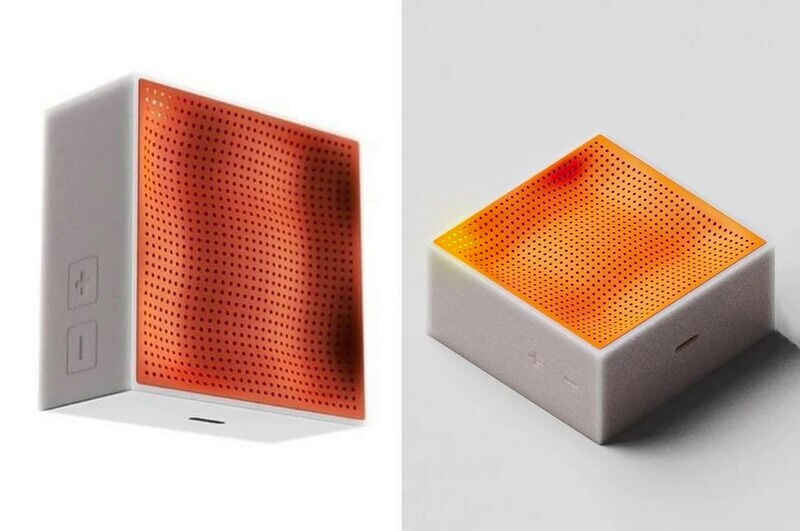
Incorporating the imperfect design elements in speaker design acts as a possible disruption in the audio equipment market.
Workshop question
Trend signals
Trend score 4.7 out of 10, from popularity 51%, activity 75%, freshness 16%.
Evidence
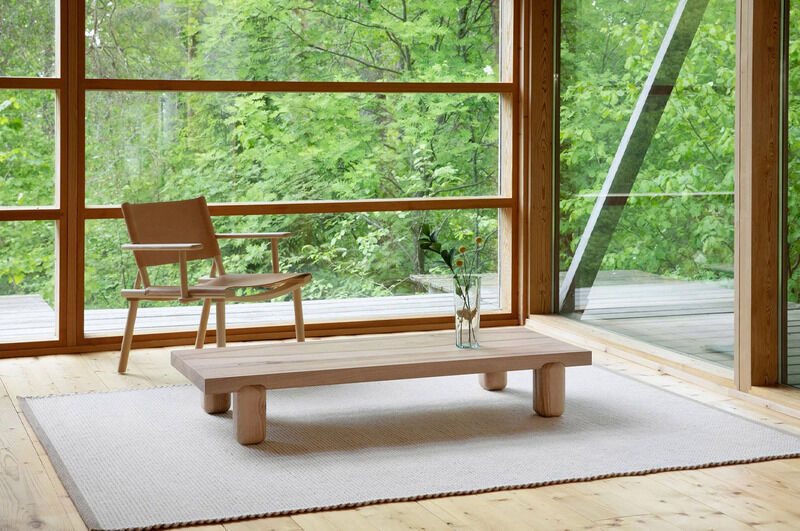
The Odywood 'KOVUK' Coffee Table Has a Naturally Rustic Design
Manufacturers can explore incorporating natural materials in their designs to create unique furniture pieces.
NC Design & Architecture Work on The Imperfect Residence
Interior design industry can incorporate Eastern philosophy-inspired design into their projects.
'The Imperfect Speaker' by Arched Assaf is Audiophile-Focused
'The Imperfect Speaker' represents an opportunity for manufacturers to create specialized, audiophile-focused equipment to appeal to niche markets and improve overall sound qualit…
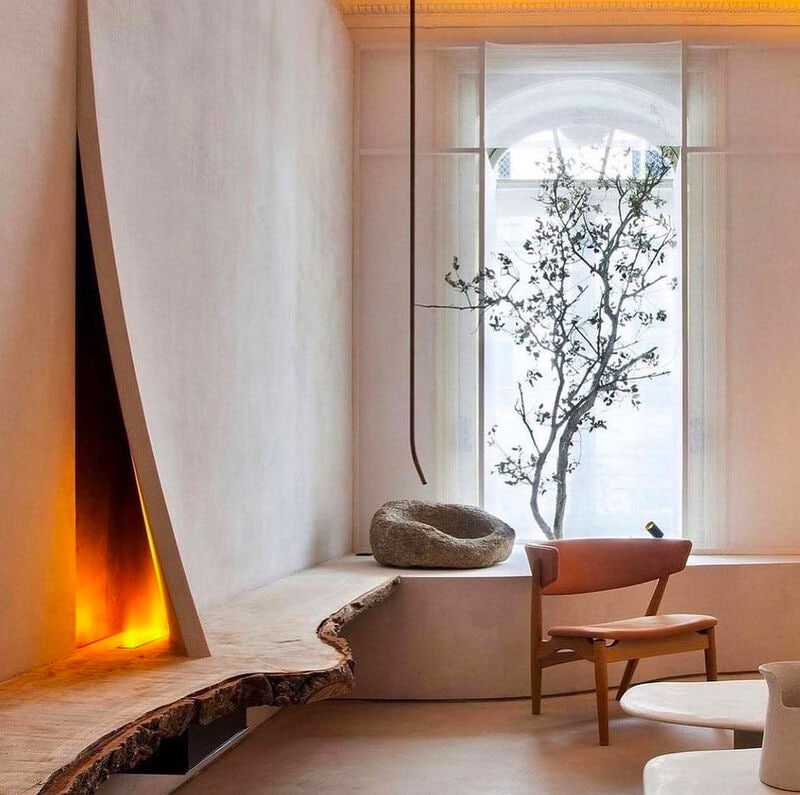
Japanese Philosophy Inspired Lorna De Santos' Fireplace
Incorporating Japanese-inspired fireplace designs to create unique and intimate living spaces that prioritize simplicity and imperfection.
Joanna Laajisto Designs This Table for Nikari Out of 100-Year-Old Wood
With the growing demand for minimalist and sustainable furniture, manufacturers in the furniture industry have the opportunity to create unique designs using repurposed materials.
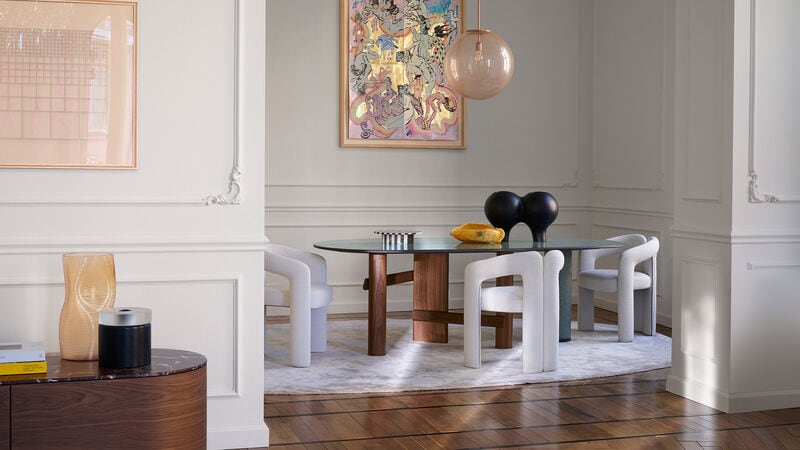
The Uniquely Designed Sengu Table Includes Marble & Wood Components
The furniture industry can explore the use of unique and innovative materials to create furniture with an artistic approach similar to the Sengu table design.
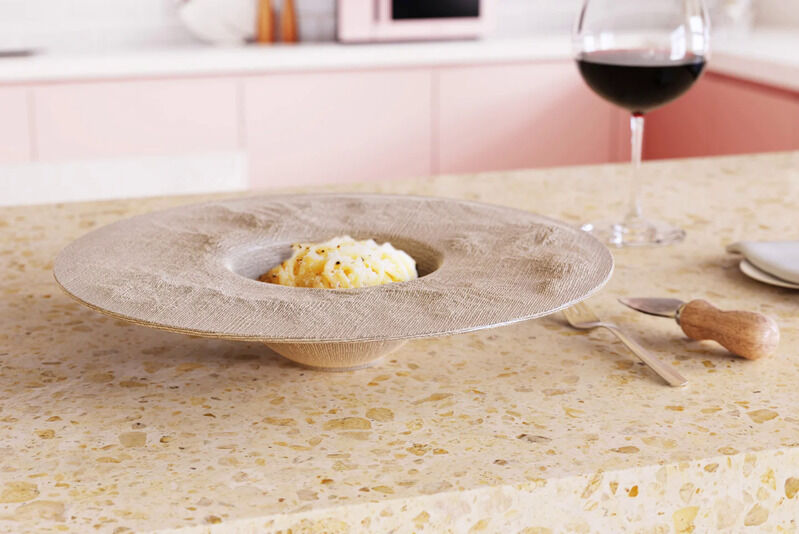
The 'Appennino Interiore' Pasta Bowl by Tomás Neumann is Thoughtful
Designers can leverage cheese-inspired themes and imperfect finishes to create unique and cohesive collections of dinnerware for the home.
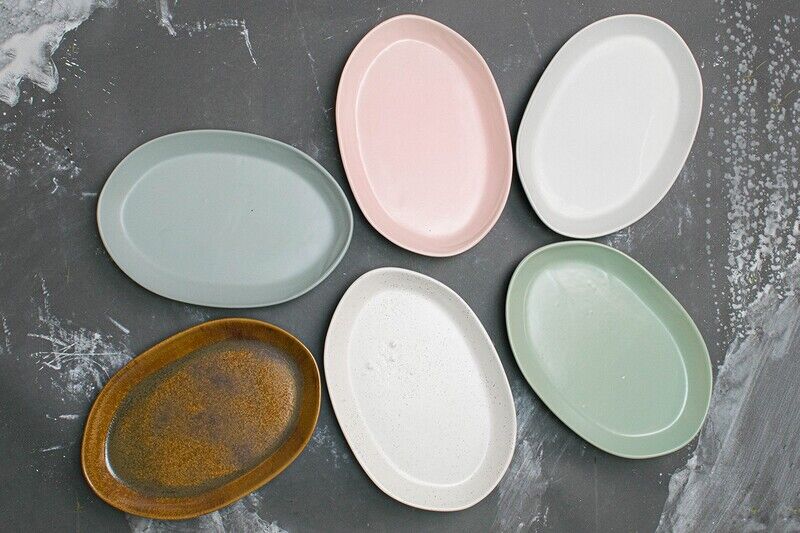
Haands is Retailing Its 'Perfectly Imperfect' Dinnerware
Haands' move to a D2C business model provides an opportunity for other ceramics companies to enter the market by utilizing sustainable practices and direct-to-consumer sales.