Category
Art & Design
Sensory Packaging
Trend
Hyper Utilitarian: As urban lifestyles drive the shift to smaller living spaces, designers are striving to innovate compact appliances. Wall-mounted kettles, dishwashers, fireplaces, or utensil dart boards are specifically designed for these homes.
Trend themes
As urban living shifts to smaller spaces, innovators are designing compact products like wall-mounted appliances, stickers and foldable furniture.
Innovations like wall-mounted and foldable products offer space-saving options by turning wall space into functional areas and maximizing storage.
Futuristic and sleek designs, like the wall-mounted kettle and fireplace, offer homeowners living in small spaces functional designs that are visually appealing.
Industry implications
Compact and wall-mounted appliances like kettles, fireplaces, and dishwashers have disruptive innovation opportunities in urban living markets.
Foldable and space-saving furniture designed like wall art offers disruptive innovation opportunities for compact space living, workspace areas, and transportation markets.
Design stickers that resemble luxury goods and pets have disruptive innovation opportunities in the home decor market for urban living spaces, rental spaces, and commercial spaces.
Trend signals
Trend score 3.8 out of 10, from popularity 51%, activity 54%, freshness 8%.
Evidence
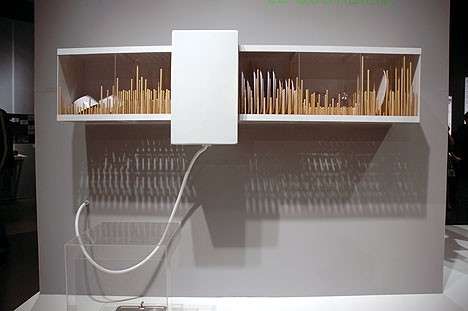
Horizontal Design Hangs On Wall
Disruptive innovation opportunity: Invent advanced home appliances that simplify household tasks and enhance convenience for users.
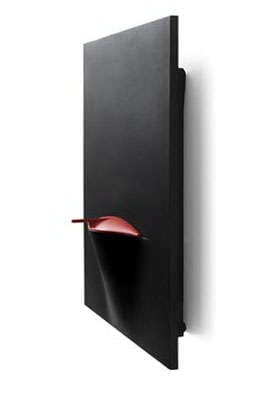
Gaya Flaming Mouth
Disruptive innovation opportunity: Introduce innovative home furnishing products, such as wall-mounted fireplaces, that cater to modern lifestyles and design preferences.
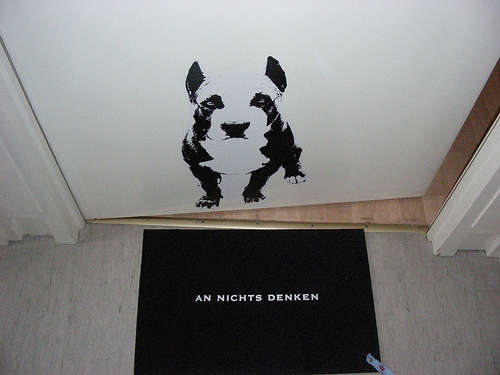
Can't Have It, Stick It
Disruptive innovation opportunity: Integrate wall decals into interior design solutions to offer flexible and customizable decor options for small spaces.
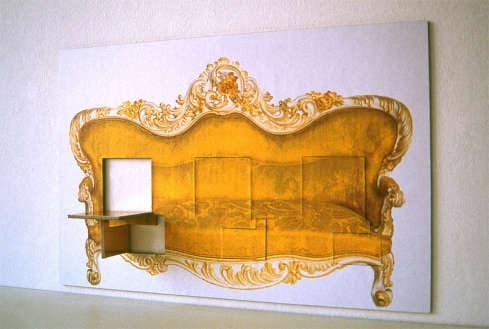
burJET Fold-Out Picture Seating
The furniture industry can benefit from providing innovative designs like fold-out furniture and space-saving design to meet the growing consumer trend of downsizing living spaces.
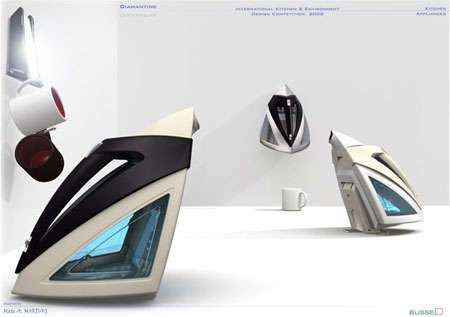
Diamantine
As a kitchen appliance, the Diamantine kettle is part of the larger kitchen appliance industry which is ripe for disruption and innovation in the coming years.
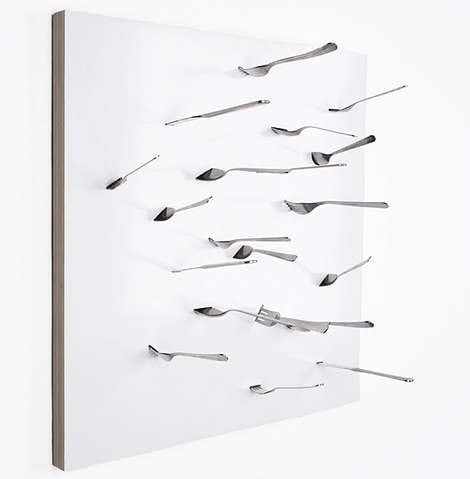
Thout UtiliTile
Disruptive innovation opportunity: Develop innovative storage solutions that combine functionality with unique design.