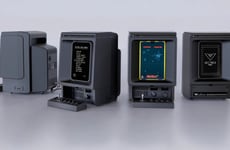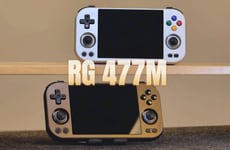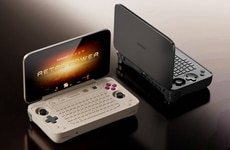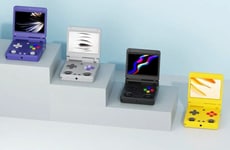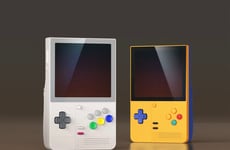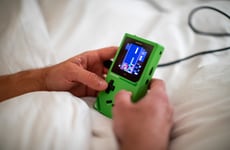
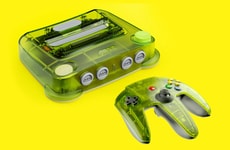
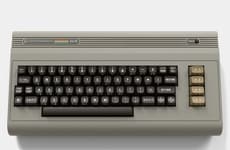
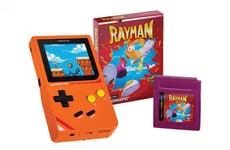
Gaming brands create FPGA-based consoles to use original hardware
Trend - Manufacturers release FPGA consoles and dev‑kits that implement hardware‑accurate cores, cartridge passthrough, controller adapters and HDMI outputs. These feature reconfigurable logic for multiple platforms and modular expansions to let players use original media and peripherals on modern displays.
Insight - Players and collectors want authentic play experiences—original cartridges, tactile controllers and exact timing—yet also expect modern conveniences like HDMI, save states and firmware updates. They distrust software emulation for its timing errors, input lag and legal ambiguity. Brands responded with FPGA hardware because it reproduces console logic at the gate level, preserves original peripherals, and enables upgradeable platforms that satisfy preservationists and competitive retro players.
Insight - Players and collectors want authentic play experiences—original cartridges, tactile controllers and exact timing—yet also expect modern conveniences like HDMI, save states and firmware updates. They distrust software emulation for its timing errors, input lag and legal ambiguity. Brands responded with FPGA hardware because it reproduces console logic at the gate level, preserves original peripherals, and enables upgradeable platforms that satisfy preservationists and competitive retro players.
Workshop Question - How can we innovate to balance authenticity with modern convenience in our products to meet the evolving expectations of collectors and enthusiasts?
Trend Themes
-
Retro Gaming Consoles — FPGA technology allows for the creation of consoles that faithfully replicate original hardware, enhancing gameplay authenticity for nostalgic audiences.
-
Authentic Media Revival — Releasing new versions of classic game cartridges offers an opportunity to satisfy collectors and gamers who prioritize physical and reliable media.
-
Modern Display Integration — The integration of HDMI and other modern connectivity features with legacy gaming systems provides a seamless bridge between past and present technology.
Industry Implications
-
Consumer Electronics — Reimagining vintage computing and gaming products with updated hardware caters to both nostalgia-driven consumers and tech enthusiasts.
-
Video Game Industry — Launching sidereal technologies like FPGA in gaming can revolutionize how classic games are experienced, promoting preservation and innovation.
-
Collectibles Market — The growing demand for retro gaming hardware highlights the potential for collectible products that merge historical value with modern appeal.