



Category
Lifestyle
Assisted Choices
The fast casual industry responds to the health movement with bold brand transparency.

Trend
Green Dining: Acknowledging consumers' healthy preferences, many fast casual dining establishments have taken to emphasizing local ingredients and sustainable practices though overt branding. This approach not only sets this sector apart from the fast food industry, it also plays into a growing consumer desire for additive-free food and brand transparency.
Trend themes
Fast casual dining changed the game by providing accessible and affordable farm-to-table options, made of fresh and locally-sourced ingredients. Restaurants aiming to provide healthy food alternatives for low-income communities can follow this lead.
Green Station's approach, matching decor with menu items promotes the healthy and Eco-conscious theme. Restaurants can replicate this to create welcoming and authentic environments for health-conscious consumers who desire easy and healthy food options.
The concept of combining fast casual dining with fine dining has seen recent growth. Restaurants amalgamating high-end cooking techniques with affordability and convenience aim to provide customers with the best of both worlds, a trend that has proved to deepen customer satisfaction and draw more customers.
Industry implications
The fast casual dining industry is keeping up with consumers' growing desire for additive-free food and brand transparency.
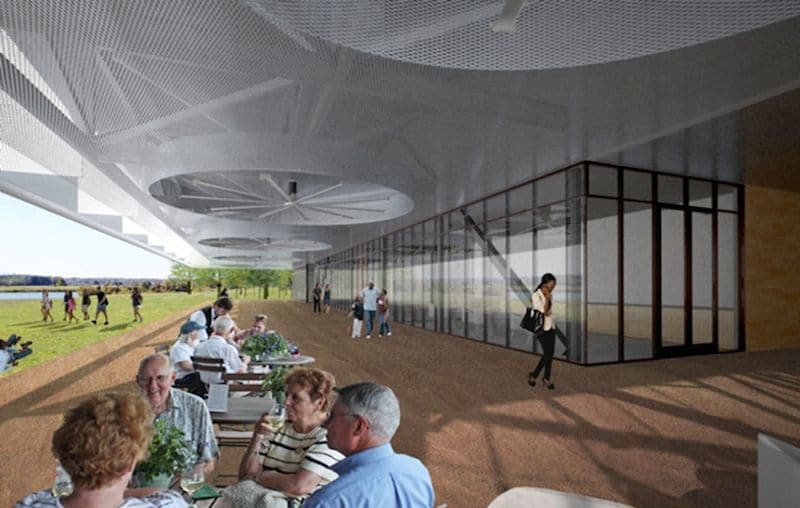
Green Station and Cafe 27 provide insight into green architecture dining trends and aesthetics that stimulates one's senses.
The Kitchenette is an exemplary case of providing accessible, farm-to-table healthy food options at an affordable price point in the restaurant industry.
Trend signals
Trend score 5.4 out of 10, from popularity 78%, activity 76%, freshness 8%.
Evidence
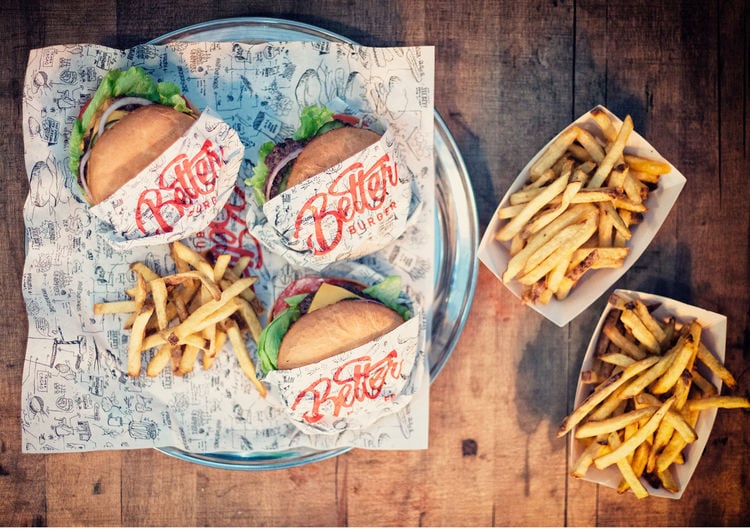
Better Burgers Aims to Be New Zealand's Answer to In-N-Out
Fast food chains can tap into the upscale burger branding trend to attract health-conscious customers and differentiate themselves from competitors.
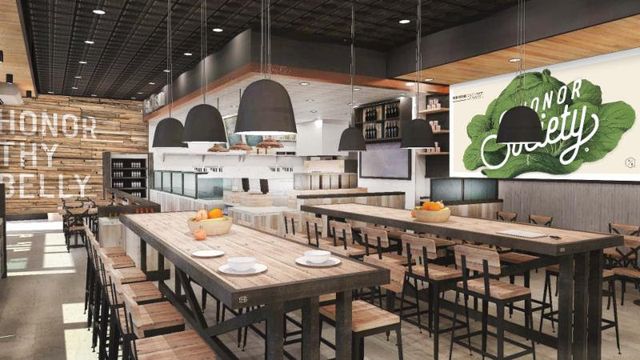
The Honor Society Handcrafted Eatery Blends Fine & Fast Casual Dining
The restaurant industry can explore disruptive innovation by creating more combination dining eateries that provide the best of both fine dining and fast casual dining experiences.
'The Kitchenette' Offers Farm Fresh Food for Under $5
Disruptive innovation opportunity: Exploring new business models and pricing strategies to offer accessible farm-to-table dining experiences.
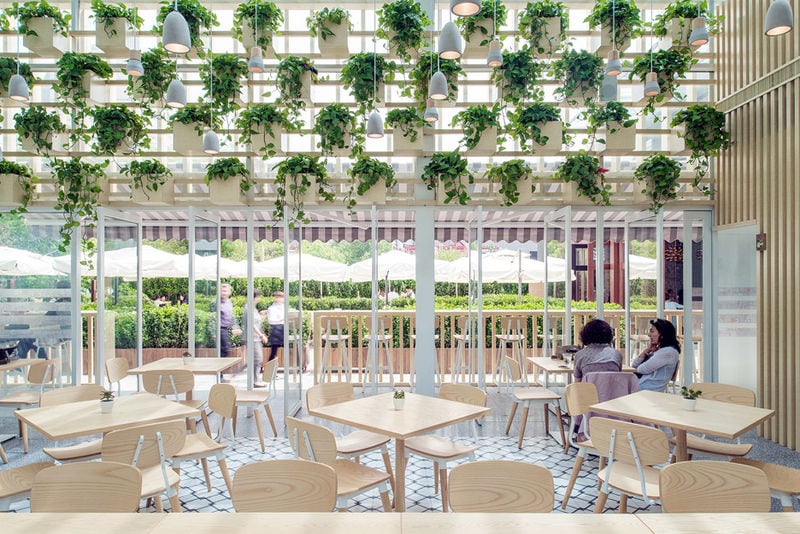
This Converted Greenhouse Cafe in Beijing Was Designed by Four O Nine
Disruptive innovation opportunity: Architects and designers can explore new ways to incorporate green elements and sustainable practices into building designs.
Green Station is a Healthy Fast Food Joint Branded with Green Interior Decor
Innovative potential for restaurants to adopt eco-conscious practices, offer healthy menu options, and create wholesome environments to attract conscious consumers.
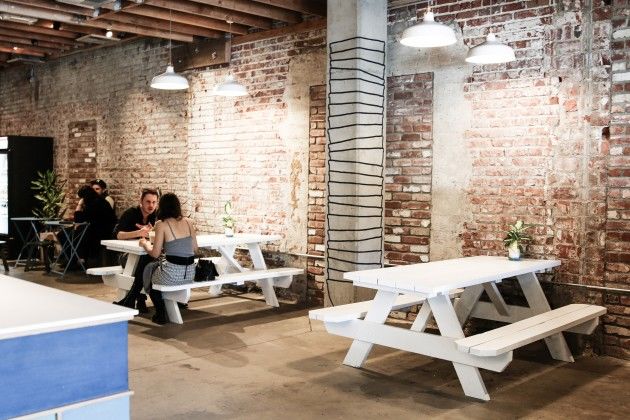
Backyard Bowls is a Revolutionary Health Food Dining Concept
The health and wellness industry can benefit from the trend of superfood-focused quick eateries by providing innovative products and services that support a healthy lifestyle.
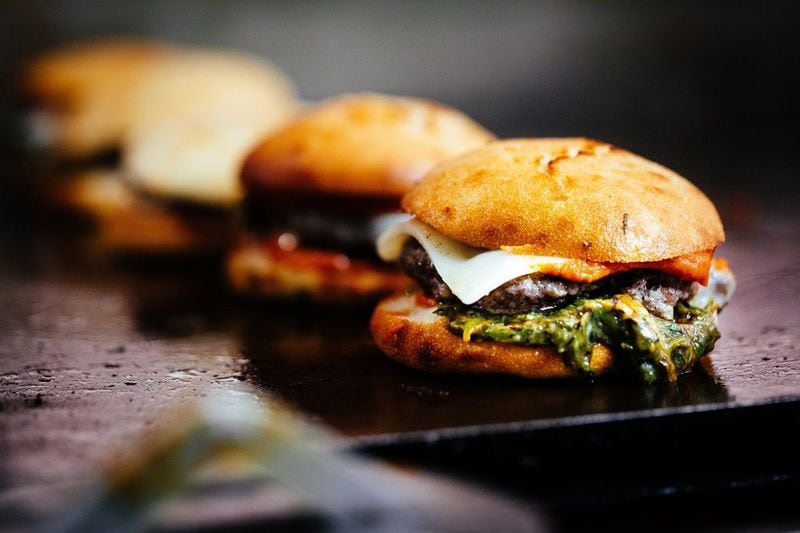
'Locol' Provides Affordable Fast Food Fare Using Healthy Ingredients
Fast food chains can leverage locally sourced ingredients and healthier menu options to disrupt the industry and attract health-conscious consumers.






