



Category
Lifestyle
Assisted Choices
Beverage education takes on a gamified format to entice consumers.
Trend
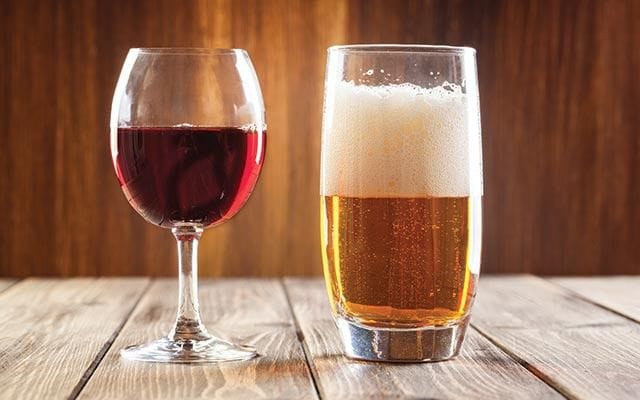
Experiential Education: Food and beverage education has often taken the form of classes and workshops that speak to a consumer preference for hands-on learning. Many alcohol brands have taken this concept one step further by providing fun, activity-focused events and products. Taking the social aspect of drinking into consideration, these brands are able to cultivate an experience, rather than a lesson.
Trend themes
Brands are gamifying beverage education to create a more immersive experience for consumers.
Interactive books and comic books offer a fresh and accessible take on traditional education about beer and spirits.
Boozy events and competitions provide a space for consumers to interact with each other and learn more about beverages.
Industry implications
Hotels, restaurants and bars can create unique and interactive drink pairing events to engage patrons.
Alcohol brands can create unique educational tools such as books to educate consumers and build brand affinity.
By incorporating technology into the beverage industry, companies can create new and immersive experiences to attract customers.
Workshop question
Trend signals
Trend score 3.4 out of 10, from popularity 52%, activity 42%, freshness 8%.
Evidence
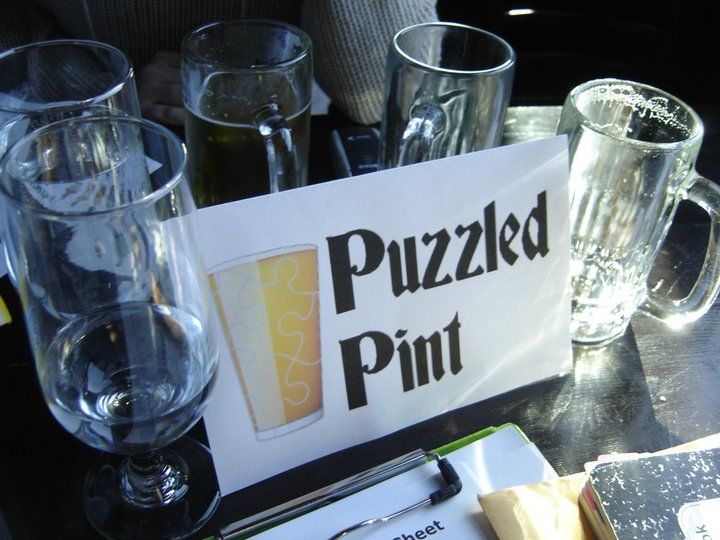
This Monthly Event Combines Brain Teasers and Craft Beer
Opportunity for entertainment companies to create immersive puzzle solving experiences for customers.
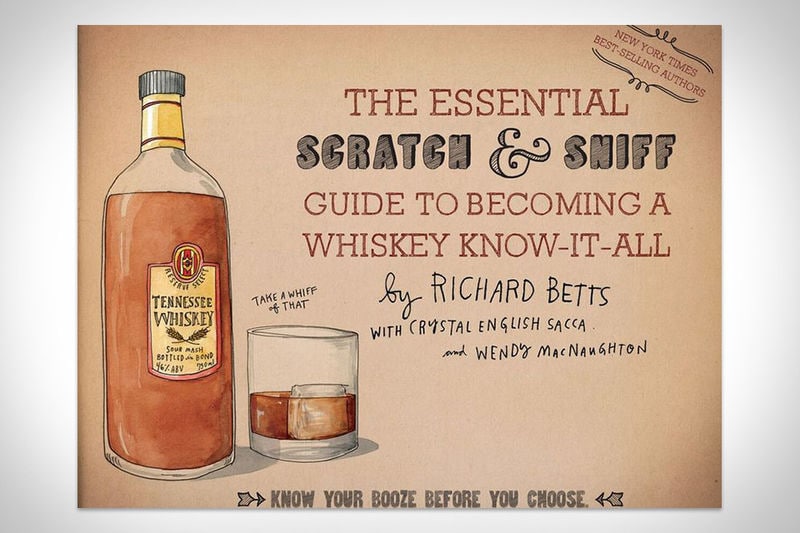
This Scratch and Sniff Book is a Guide to Liquor Through Smell
Publishers can explore the creation of interactive books that incorporate scent to attract readers and enhance engagement.
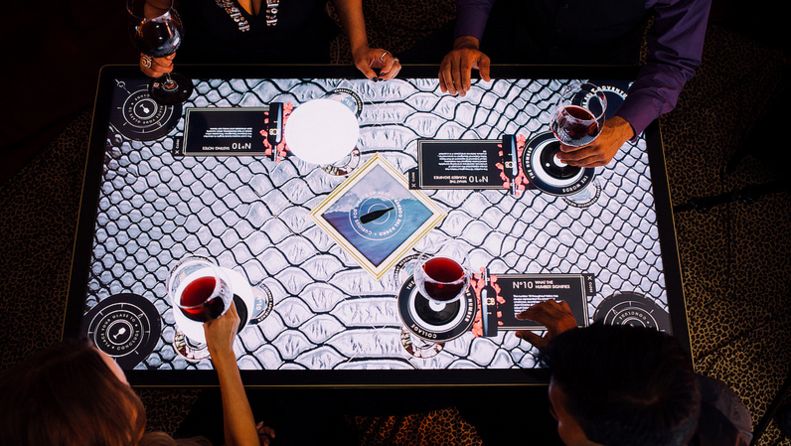
Graphene 3D Lab and Ideum Elevate Wine Experiences with Technology
The use of interactive wine experiences and 3D-printed wine glasses in wine tastings and wineries.
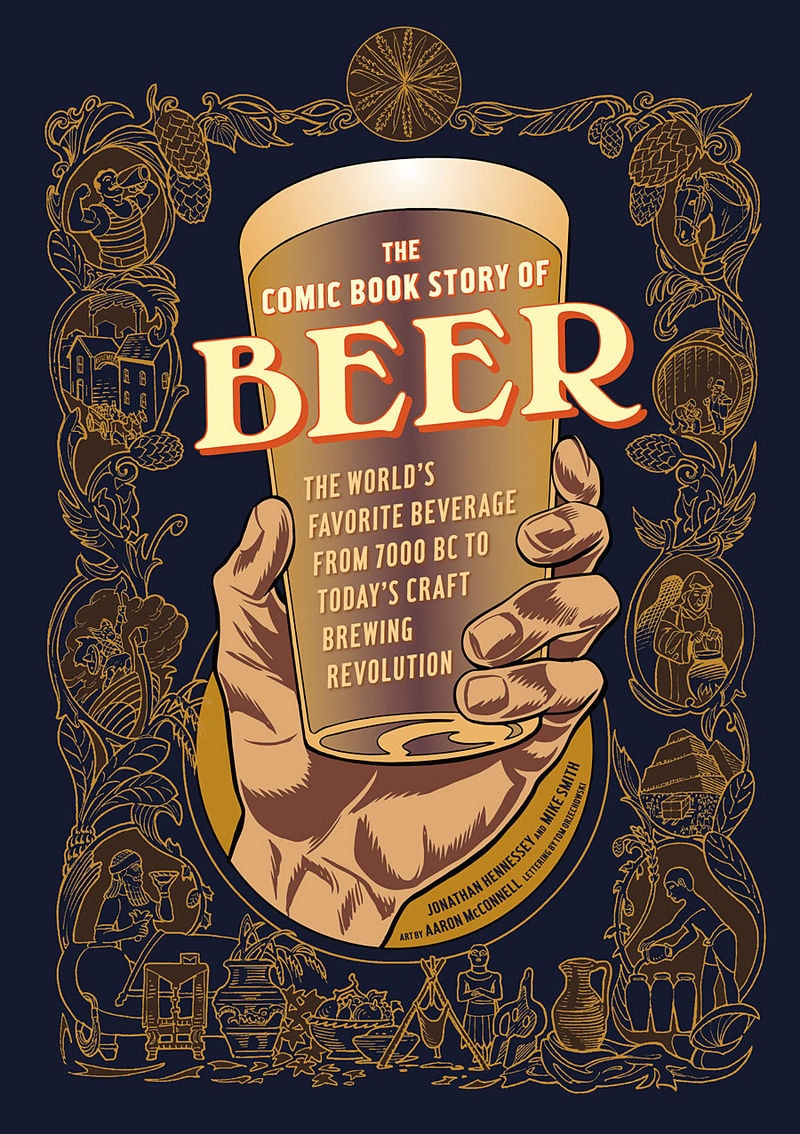
This Comic Book is Packed with Information About the History of Beer
Breweries creating educational and engaging material for consumers.
This Event Examines the Differences in Beer and Wine Pairings
Opportunity for restaurants, bars, and tasting events to offer unique beverage pairing experiences.






