



Category
Lifestyle
Assisted Choices
Sustainable design brands use electronic waste to create products.
Trend
E-Waste Design: Globally, discarded electronics have become a huge source of waste. For some interior design and jewelry brands, this waste presents an opportunity to repurpose materials and create upscale decorative pieces. Furniture and jewelry pieces made from e-waste offer sustainability and a unique selling point.
Insight
The popularity (and often, necessity) of electronics, coupled with brands creating products with shorter life cycles, has had a huge impact on global waste in the last 20 years. Consumers are becoming more conscious of the environmental impact of even "upscale" investments, and more are choosing brands that operate on sustainable business models. These consumers turn to businesses that are able to seamlessly merge sustainable principles with contemporary design.
Trend themes
Repurposing electronic waste to create high-end furniture and jewelry pieces presents a unique selling point, as consumers become more conscious of environmental impact.
Sustainable design is becoming increasingly important to consumers, who are drawn to brands that can seamlessly combine sustainable principles with contemporary aesthetics.
Brands are experimenting with methods of eco-conscious manufacturing, using recycled materials to create new products that are both aesthetically unique and sustainable.
Industry implications
Interior design brands are repurposing e-waste to create upscale decorative pieces and furniture, presenting disruptive innovation opportunities for sustainable and unique products.
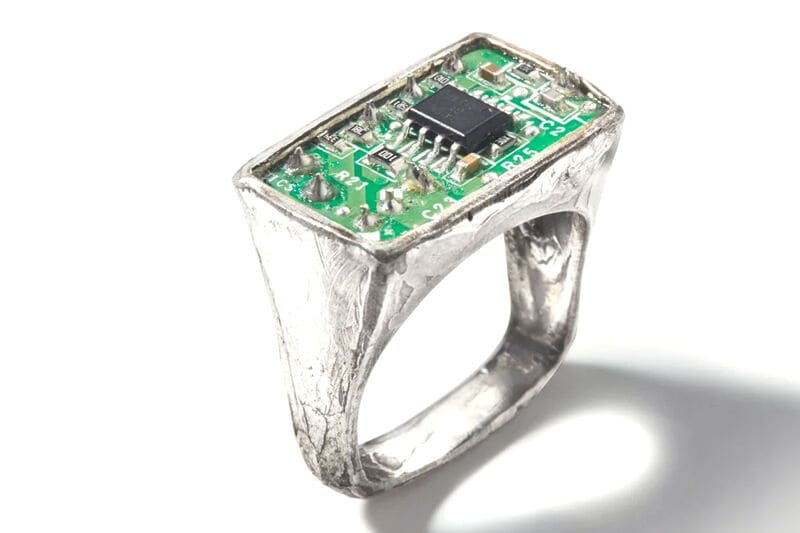
Jewelry brands are utilizing upcycled e-waste to create high-quality jewelry pieces, with an emphasis on sustainability and incorporating digital elements with vintage aesthetics.
Furniture manufacturers are exploring eco-conscious manufacturing methods, experimenting with recycled materials to create new, sustainable pieces that have a unique look and feel.
Workshop question
Trend signals
Trend score 4.9 out of 10, from popularity 64%, activity 68%, freshness 16%.
Evidence
Accessories Brand Oushaba Turns E-Waste Into Fine Jewelry Pieces
There is potential for companies to incorporate upcycled materials and ethical sourcing practices in order to appeal to eco-conscious consumers who value unique design.
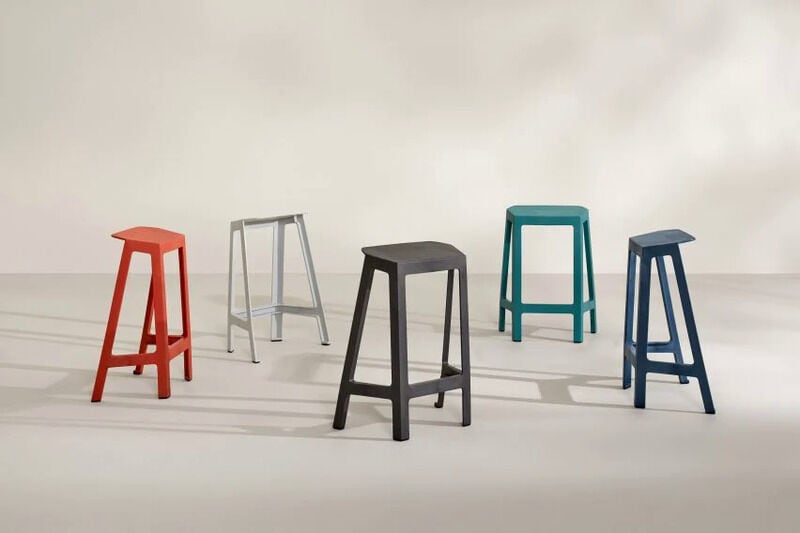
The Flex Perch Stool by Steelcase is Sustainably Designed
The Flex Perch Stool by Steelcase is a sustainable and space-saving solution for offices.
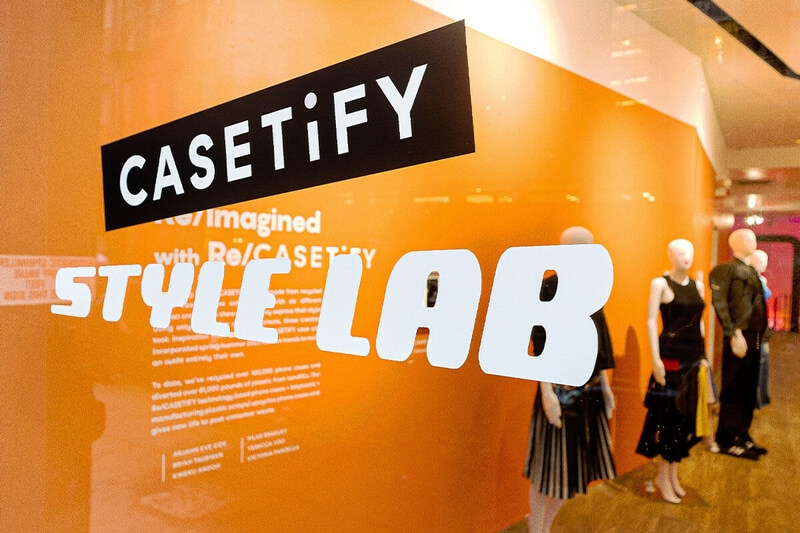
The CASETiFY Style Lab Highlights the Work of Gen Z Fashion Students
Fashion companies can collaborate with technology brands to create accessory collections that combine fashion and function for new customer bases, such as Gen Z consumers.
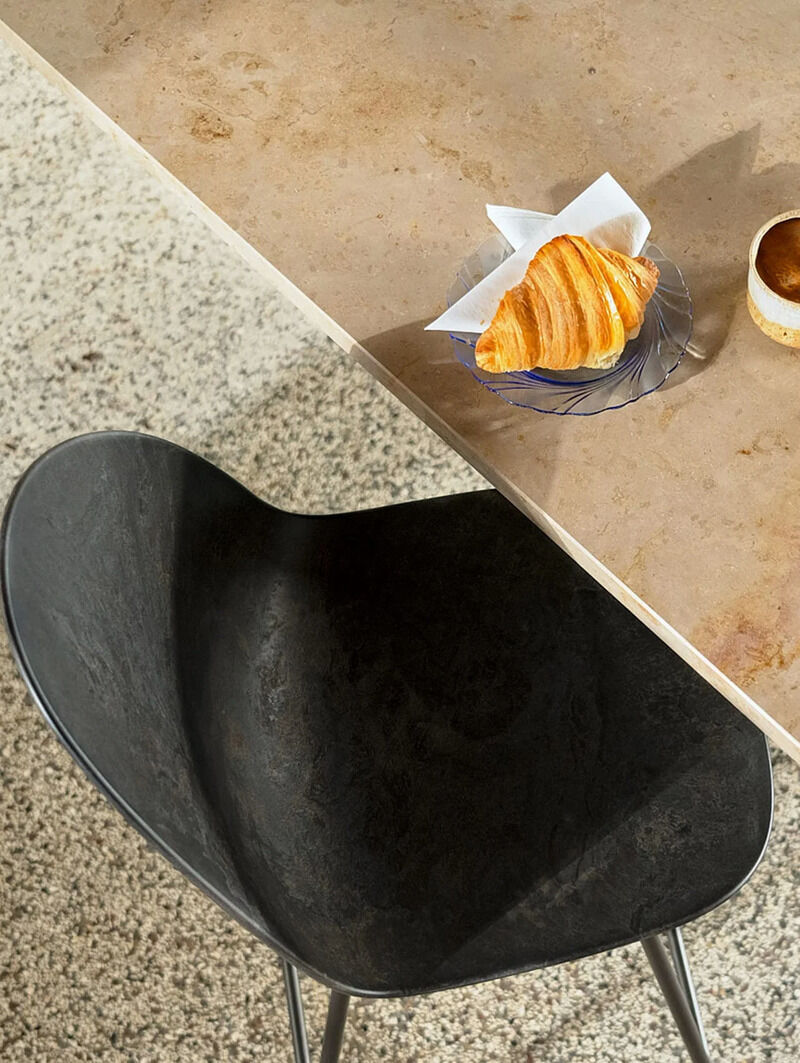
Space Copenhagen Designs a Stool with Coffee Shells and E-Waste for Mater
Exploring the use of upcycled and sustainable materials to create timeless furniture designs.






