
Category
Tech
Embedded Assistance
New Tools Convert Online Data Sources into LLM-Ready Formats for AI Training.

Trend
Data Conversion: Brands are launching new tools that convert websites, videos, PDFs and social posts into cleaned text, transcripts or structured data. They frame media conversion as essential for faster ingestion by LLMs, better accuracy and more overall reliable AI workflows.
Insight
Users rely on LLMs for research and automation, but raw online media is messy and inconsistent. Many feel slowed by cluttered pages, noisy transcripts and formats that produce weak outputs. Brands are addressing these complaints with tools that solve this by standardizing inputs, removing noise and preserving meaning in online data sources, including videos. These make data more digestible to LLMs and demonstrate value to consumers who primarily use LLMs for work or personal use.
Trend themes
The growing need to transform messy web pages, videos and documents into structured AI inputs creates space for tools that make everyday online media instantly usable in enterprise and personal AI workflows.
As brands appear more frequently inside generative search and chatbot responses, new monitoring platforms can redefine reputation management by tracking accuracy, risk and discoverability across AI ecosystems.
Enterprise teams increasingly favor AI systems embedded with sector-specific knowledge, opening opportunities for platforms that accelerate development while aligning outputs with operational, regulatory and industry context.
Industry implications
AI infrastructure is expanding beyond model development into data preparation, monitoring and orchestration layers that improve reliability and usability for business users.
Business software providers are positioned to integrate conversion, governance and agentic development capabilities that reduce friction between organizational data and AI-powered automation.
Online content ecosystems can gain new value as videos, posts, PDFs and web pages become structured assets for search, research, training and automated knowledge extraction.
Workshop question
Trend signals
Trend score 4.6 out of 10, from popularity 24%, activity 23%, freshness 91%.
Evidence
C3 AI Launches 'C3 Code' for Enterprise Developers
Manufacturing workflows could be transformed by domain-aware predictive maintenance and demand-forecasting agents that reduce reliance on bespoke in-house models.
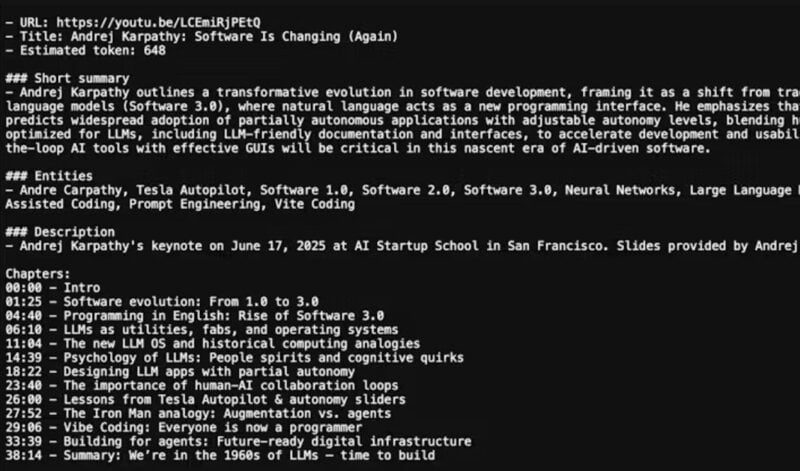
Index YouTube Turns Videos Into Structured, LLM-Ready Data
AI platforms gain stronger contextual inputs when video content is converted into structured formats optimized for model comprehension and retrieval.
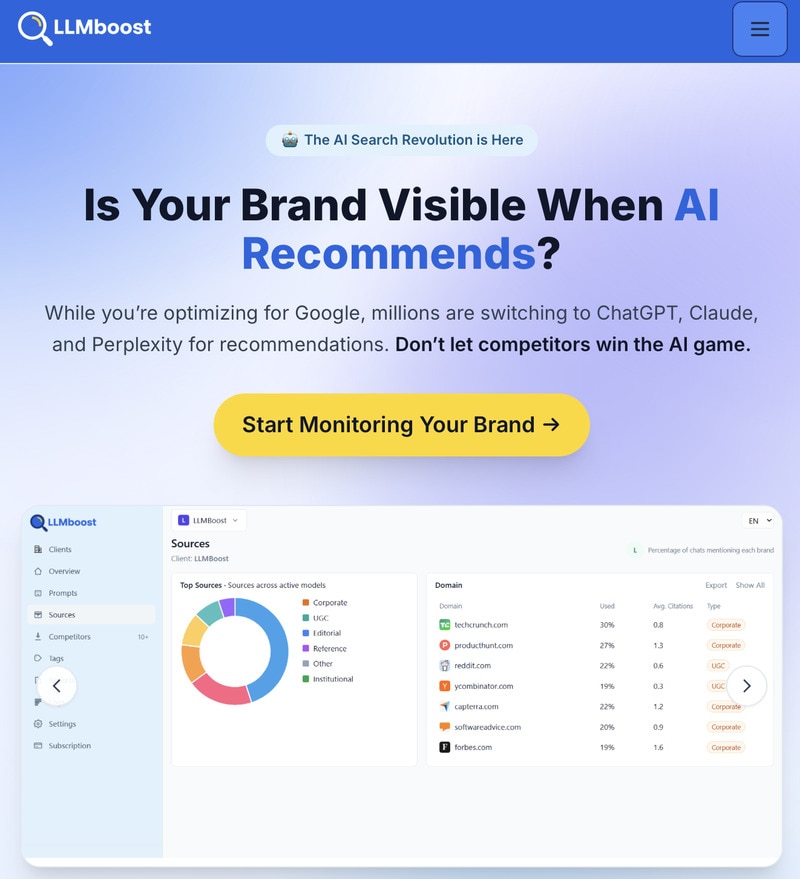
'LLMboost' Helps Brands Track How They Appear on LLMs
The AI industry is rapidly integrating tools for brand monitoring across platforms to help companies control their digital presence effectively.
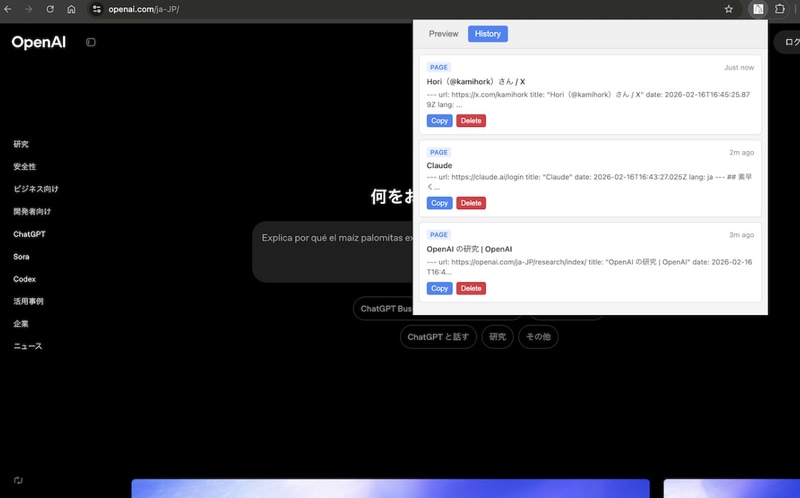
Copy As Markdown For AI Converts Web Pages Into LLM Ready Formats
Headless and traditional CMS platforms can be reimagined around exportable, LLM-ready Markdown/YAML bundles, shifting value toward machine-consumable content delivery rather than…