Category
Life-Stages
Constructible Franchises
Kids’ toys promote cooperative play to encourage positive social engagement.
Trend
Collaborative Play: Encouraging more social development, parents are turning to elements of play that promote peer-to-peer interaction and problem-solving. Integrating cooperative solutions and group interaction into traditional board games and outdoor activities, these products not only encourage kids to disconnect from technology, but also serve to help build positive social skills at an early age.
Trend themes
Parents are turning to elements of play that promote peer-to-peer interaction and problem-solving.
Board games increasingly promote cooperation instead of competition, encouraging friendly play.
Toys that encourage creativity and customization are becoming more popular among parents who want to reduce screen time.
Industry implications
Toy manufacturers can design and produce more toys that promote cooperation and collaboration among children.
Educators can use cooperative play and games to teach children about teamwork and problem-solving.
Tech companies can create virtual games and activities that promote cooperation and collaboration among children.
Workshop question
Trend signals
Trend score 2.4 out of 10, from popularity 30%, activity 33%, freshness 8%.
Evidence
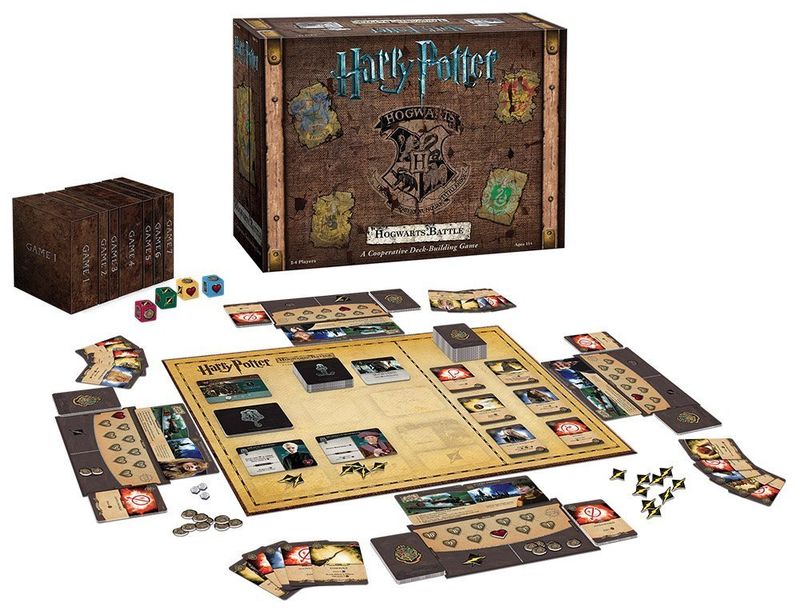
The Harry Potter Hogwarts Battle Deck Building Game is Magical
The growing demand for immersive and interactive board games like the Harry Potter Hogwarts Battle Deck Building Game creates opportunities for board game manufacturers to create…
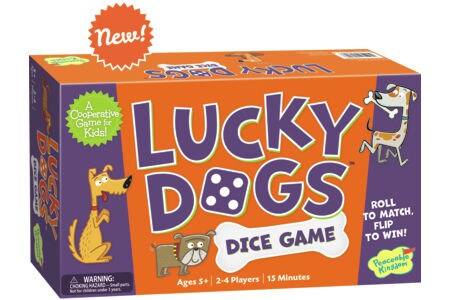
The Lucky Dogs Dice Game Encourages Players to Work Together
Toy companies can capitalize on the trend of cooperation-based games by creating more products that promote teamwork and shared decision making.
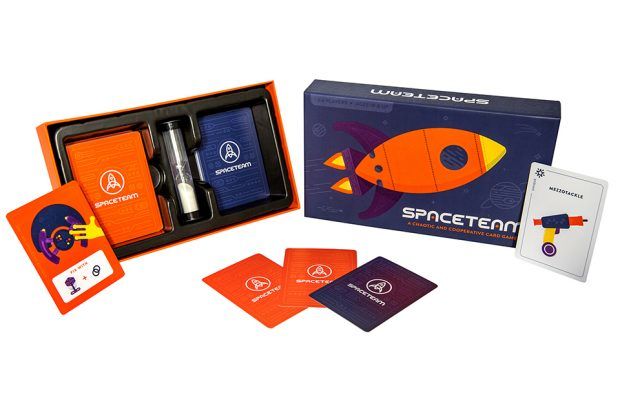
'Spaceteam' Challenges Players to Work Together to Save a Breaking Rocket
Integrating new modes of cooperative gameplay has the potential to draw in more consumers who prefer to play with others.
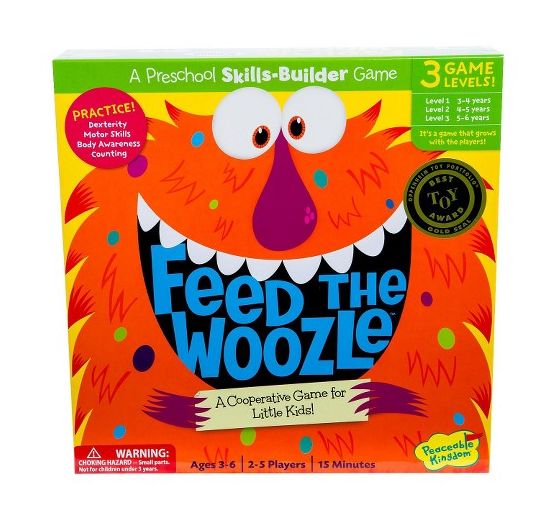
The Feed the Woozle Game Encourages Children to Work Together
Opportunity: Explore new designs and concepts for board games that promote cooperation.
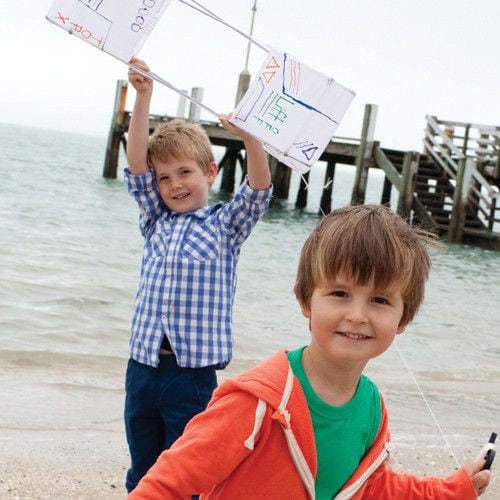
Seedling's Box Kite Kit Can Be Customized by Creative Kids
The customizable DIY toys trend provides a disruptive innovation opportunity for toy manufacturers to tap into the market demand for interactive and personalized toys.