



Category
Lifestyle
Assisted Choices
Trend
Micro Comfort: At the same time as people struggle with the increasingly bizarre global climate change weather, consumers are seeking more means for control. Temperature-regulating innovations, like these which provide heat, allow consumers to manipulate the environments within their control.
Trend themes
The rise in consumer demand for temperature control and comfort has led to the innovation of heated technologies that provide warmth and coziness.
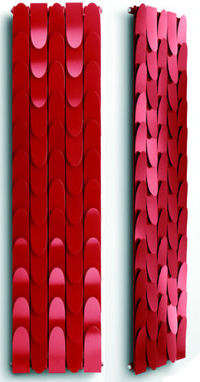
Designers are embracing innovation in the radiator industry, offering unique and interesting designs that blend subtly into home decor or stand out as prominent art pieces.
The emergence of USBs has led to the creation of practical and functional heated gadgets like shawls, foot warmers and computer mice.
Industry implications
The home and interior design industry can embrace innovative radiator designs to make heating an aesthetically appealing experience.
The technology industry can further research and development of USB-based innovations that provide comfort for consumers in colder environments.
The fashion and apparel industry can explore the integration of heated technologies into clothing and accessories for enhanced comfort and warmth during colder seasons.
Trend signals
Trend score 2.0 out of 10, from popularity 34%, activity 18%, freshness 8%.
Evidence
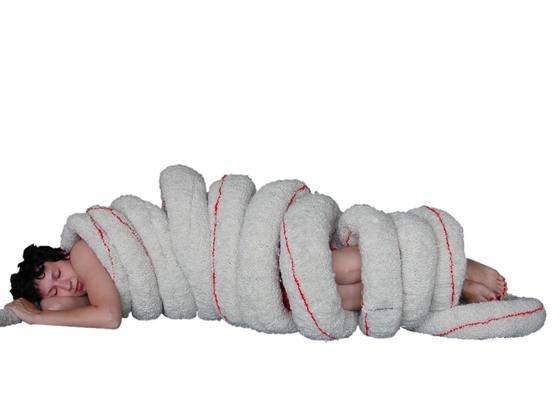
The Eva
Disruptive innovation opportunity: Developing innovative and functional products that enhance the aesthetics and functionality of homes.
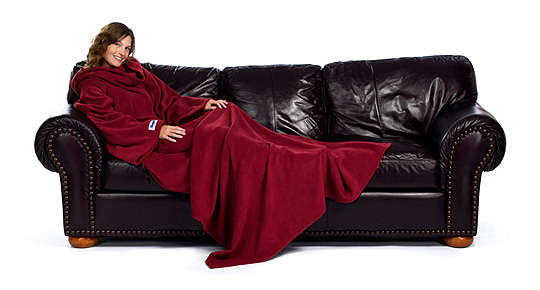
The Slanket helps Charities
Home goods industry can capitalize on the demand for heated blanket products.
Steal Heat from Your PC
Disruptive innovation opportunity: Introduce USB-heated clothing as a new category in the fashion industry, catering to those seeking comfort and warmth in trendy designs.
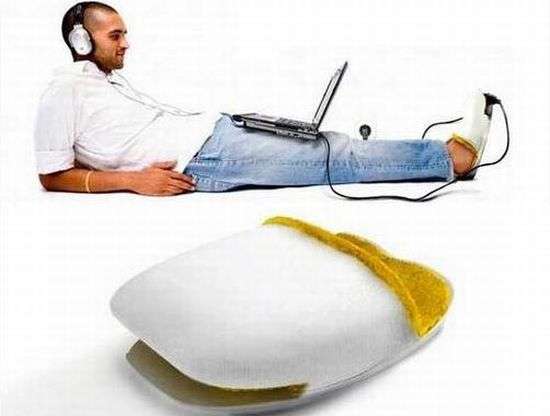
Sweet Home Slipper
The technology industry can explore the potential for energy harvesting from electronic devices to create smarter and more sustainable wearables.
Haute Home Heaters
Opportunity for companies in the home decor industry to expand their product line to include artistic radiators that blend into home decor.
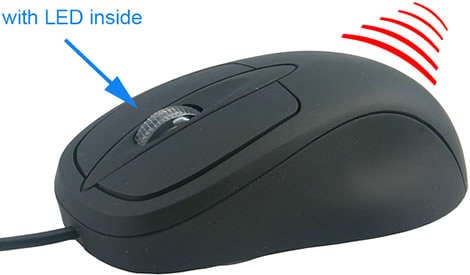
USB Mouse With Infrared Heater
Potential for incorporating heating features into various consumer electronic products for added functionality.






