Category
Lifestyle
Assisted Choices


Trend
Candid Branding: Many consumers consider marketing and branding to be fictitious—that is, based on more lies than truth in order to sell. Parodies of products bearing “the whole truth” are being made by consumers in an attempt to spread their skepticism of big brands, and as the digital domain can induce almost instantaneous backlash, it is wise for brands to stay on the path of honesty right from the beginning.
Trend themes
As consumers grow skeptical of marketing claims, parodies that expose the truth can be a powerful way to engage audiences.
Humorous packaging or advertising can attract customers by providing comic relief from the stresses of everyday life.
As digital media has made instant backlash the norm, brands can build trust with consumers by prioritizing honesty in their messaging.
Industry implications
Marketing and advertising professionals must stay aware of the growing skepticism of marketing claims and use humor or other tactics to build trust with customers.
Consumer packaged goods companies can differentiate from competitors and better engage consumers by using humorous or honest branding tactics.
Entertainment companies and filmmakers can use parody and humor to generate buzz around their products and build connections with audiences.
Trend signals
Trend score 5.9 out of 10, from popularity 85%, activity 85%, freshness 8%.
Evidence
The Shiznit Makes Literal Posters for This Year's Nominees
Disruptive innovation opportunity: Incorporate humor-driven marketing strategies into the film industry to engage and attract broader audiences.
Honest Movie Titles Turn Oscar Dramas to Comedies
Opportunity to create alternative movie posters that provide a comedic twist.
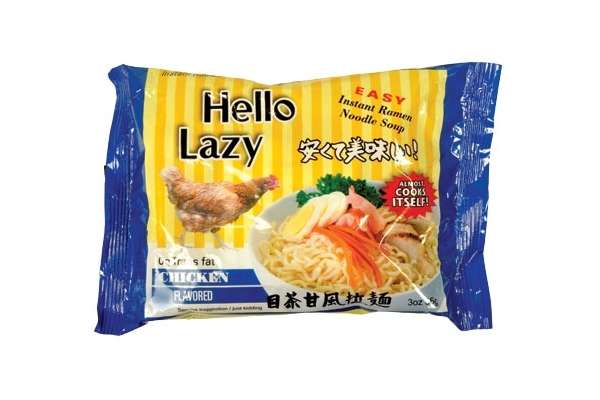
These Neatorama Ramen Packages are Brutally Frank
The food and beverage industry can benefit from using humorous branding and packaging that connects with consumers.