
Category
Lifestyle
Assisted Choices
Brands turn to flawed packaging to reflect realistic shortcomings.
Trend
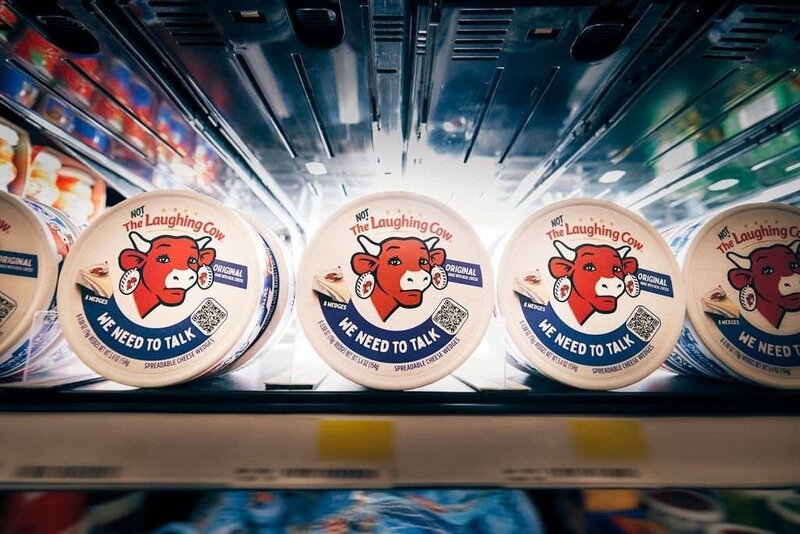
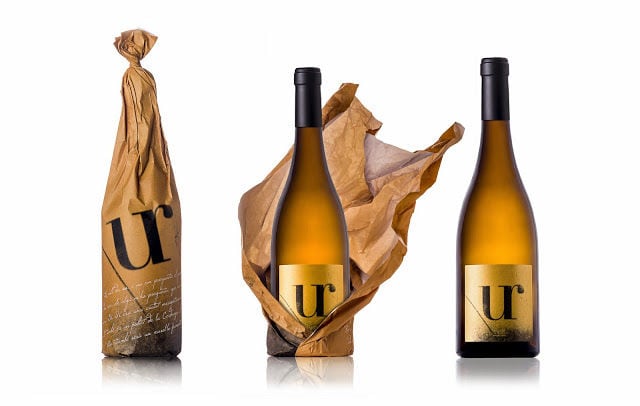
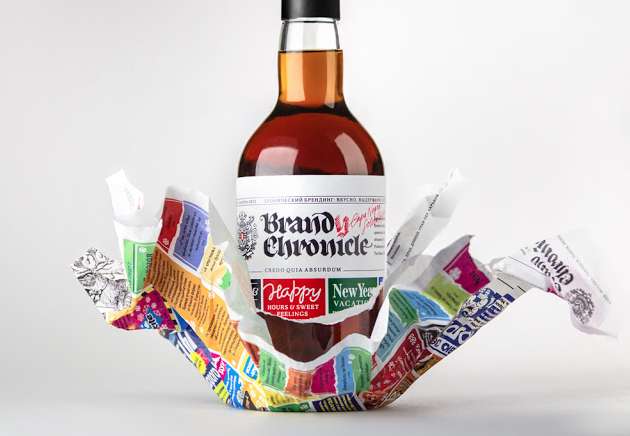
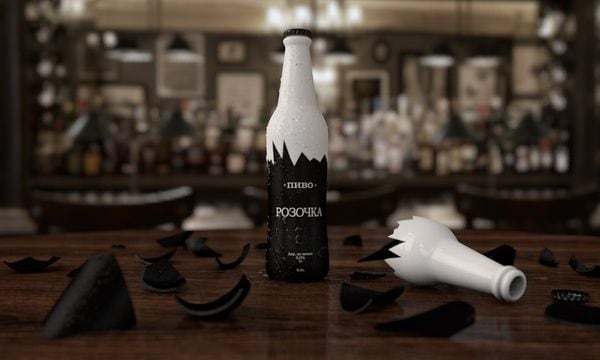
Branding Imperfection: Despite a continuous emphasis on perfection in the media, achieving such results is often rare and uncommon. Seeking to reflect a more realistic view of consumer behavior, brands are turning to purposely broken and torn product labels to emphasize natural shortcomings and flawed aesthetics. Referencing notions of imperfection helps create a sincere link between the consumer and brand, speaking to a desire for more sensible and personally reflective forms of consumer engagement.
Trend themes
Brands are turning to purposely broken and torn product labels to emphasize natural shortcomings and flawed aesthetics, creating a sincere link between the consumer and brand.
Designers are repurposing printed materials like newspapers and flyers to create unique and sustainable packaging solutions.
Brands are opting for minimalist and uniformed aesthetic design, creating simple and impactful visual impressions.
Industry implications
Packaging designers can apply the trend of repurposed materials and imperfection aesthetics to create unique and sustainable packaging solutions.
Marketing professionals can utilize the trend of minimalistic branding to create simple and impactful visual impressions for their brands.
Consumer goods manufacturers and designers can apply the trend of imperfection aesthetics to reflect a more realistic view of consumer behavior and create a sincere link between the consumer and their brand.
Trend signals
Trend score 4.2 out of 10, from popularity 61%, activity 58%, freshness 8%.
Evidence
The UR Wine Bottle Comes in a Wrinkled Brown Paper Bag
Innovating wine and beverage packaging with unconventional designs can create a unique selling point for brands and appeal to a broader range of consumers.
Brandy Chronicle Packaging Came From Repurposing Periodicals
Innovations in creative and sustainable packaging solutions across industries.
Broken Beer Packaging Suggests Cracks in the Glass That'd Potentially Form
Broken Beer Packaging's design would be best suited to the beverage industry since it plays off the shape of the bottle and speaks to the emotions of the consumer.
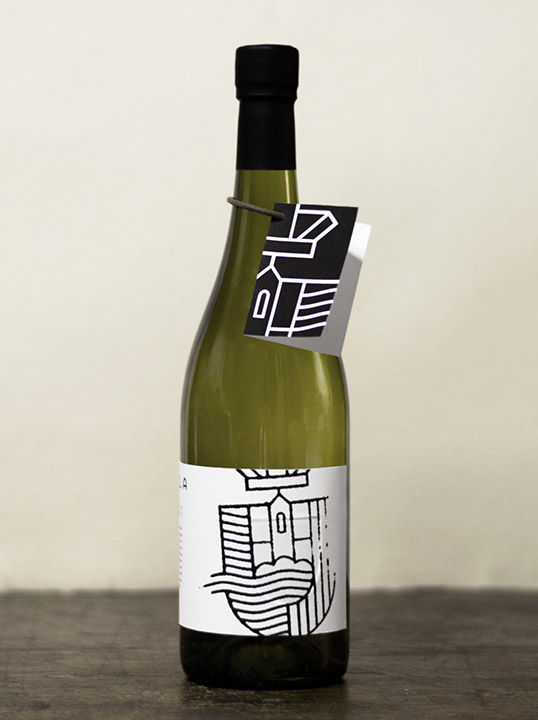
Figula Winery is Reinvented with the Coat of Arms of Two Areas
Disruptive innovation opportunity: Reinventing branding strategies for wineries and beverage companies by incorporating regional symbols and minimalistic designs.
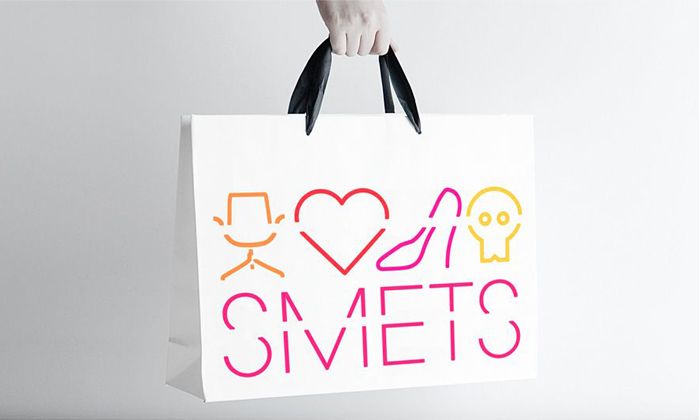
Smets Packaging Outlines the Specialties of This Exciting Store
The fashion retail industry can adopt contrasting visual techniques in their branding to stand out in a highly competitive market.