Category
Lifestyle
Festive Fusions
Brands invite outside forces to help commemorate milestone events.
Trend
Remixed Legacy: Brands celebrating anniversaries or milestone events are inviting both professional artists and run-of-the-mill consumers to help re-imagine their brand identity. This creative approach allows for multiple perspectives or reiterations of the brand to take place, ensuring that brands stay relevant and fresh, while continuing to be inclusive to consumers.
Trend themes
Brands inviting professional artists and consumers to redefine brand identity and bring a new perspective through collaborative efforts.
Products inspired by classic art pieces to celebrate various occasions and milestones, specifically 100-year anniversaries.
Product packaging that seeks to tell a clear and compelling story through it's design, utilizing image-driven labels with stories behind them.
Industry implications
Opportunities to collaborate with artists and allow consumers to participate in creating content and redefine brand identity.
Re-imagining product packaging to create a connection between consumers and the brand through the use of visual storytelling and artwork.
Bringing nostalgia to the modern era by re-imagining classic pop culture icons, and bringing attention to milestone occasions using social media campaigns.
Trend signals
Trend score 4.5 out of 10, from popularity 59%, activity 67%, freshness 8%.
Evidence
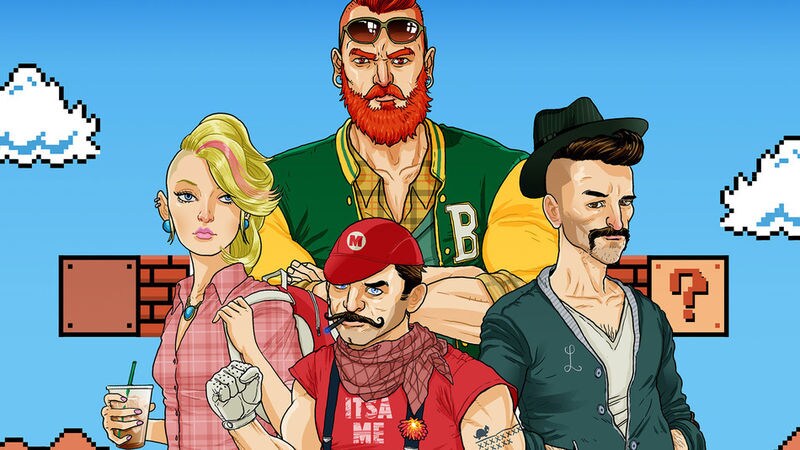
These Images Display Super Mario Brothers Characters as Hipsters
The re-imagined hipster versions of Super Mario Brothers characters indicate a need for innovative character designs in the video game design industry.
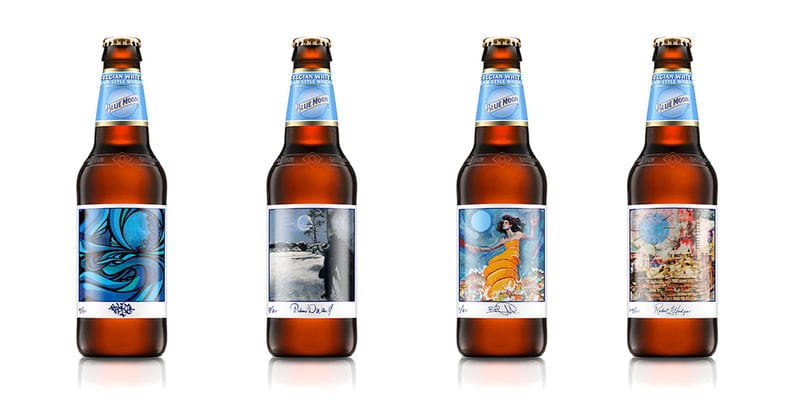
The Art on These Beer Bottles Reveal Stories Told by 20 Artists
Craft breweries can utilize art-based beer labels to differentiate their products and foster brand loyalty.
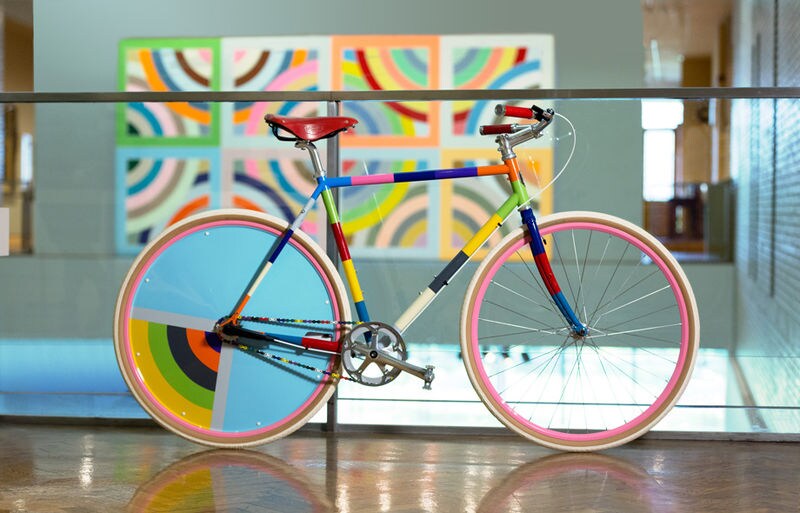
The Minneapolis Institute of Art Celebrates 100 Years with Art Bikes
Integrating artistic designs into bicycles to create visually stunning and functional products.
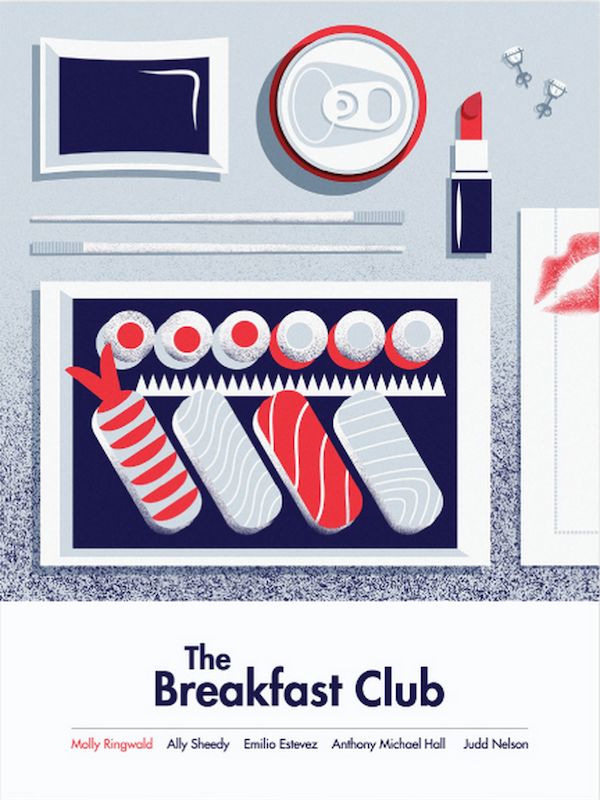
These Breakfast Club Posters Connect Characters to Products
Opportunity for filmmakers and studios to remake classic films and attract younger audiences.