Category
Lifestyle
Baseline Support
Cost-conscious consumers choose to barter and swap rather than shop.


What's Happening
Bilateral P2P: Innovative networks that serve as a marketplace for individuals to barter products and services with peers are being embraced by consumers. Whether to access meaningful work by providing skilled services or to turn unused goods into alternate revenue, such platforms create a space dedicated to collaborative consumption that can strengthen communities and decentralize capital. These peer-to-peer networks speak to the role of the sharing economy in shaping interactions between consumers, as opposed to brands.
Evidence
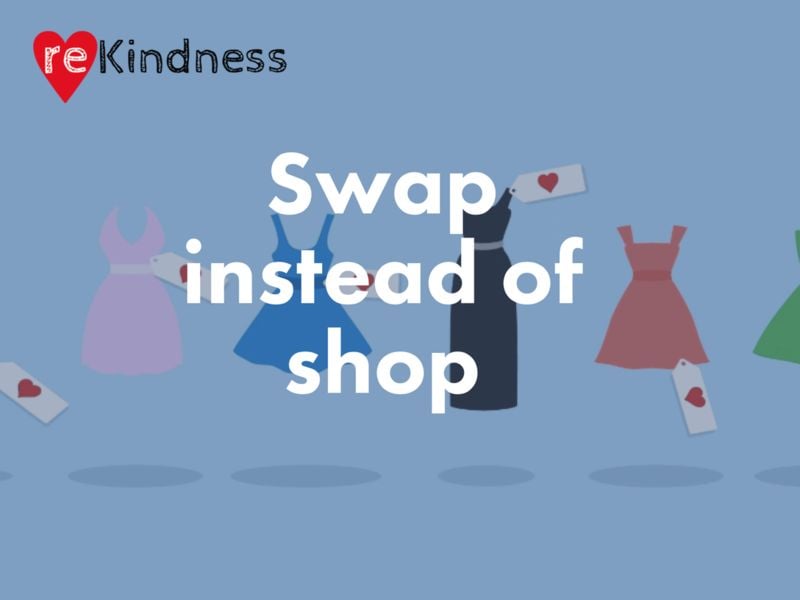
This Social Platform Makes It Easy for Users to Swap Clothing Online
The fashion industry can leverage the trend of clothing-swap platforms to create circular fashion models and reduce environmental impact.
'Move Loot' Will Transport Heavy Secondhand Goods for You
Disruptive innovation opportunity: Leverage the growing e-commerce industry by developing an online secondhand marketplace that offers transportation services for large items.
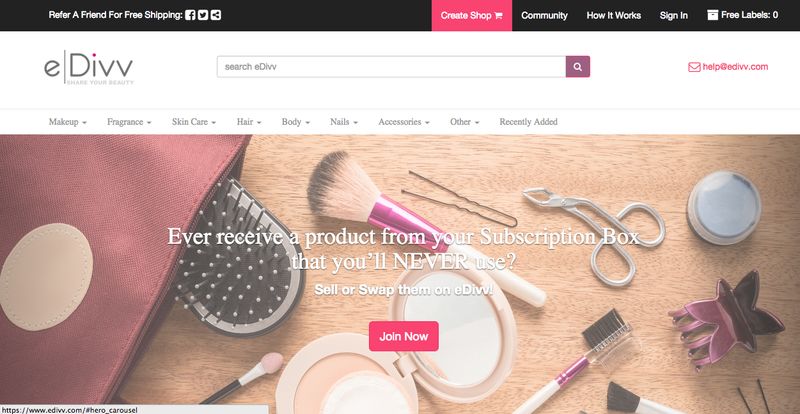
'eDivv' is a P2P Marketplace for Unused Beauty Products
The beauty and fashion industry could benefit from eDivv's platform as it provides a new channel for consumers to trade and sell their unused products.
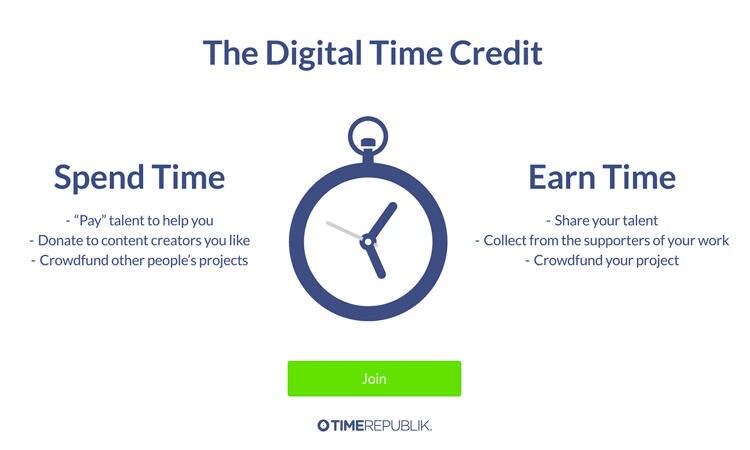
This App Allows Users to Exchange Their Skills for Different Services
The sharing economy industry can further capitalize on the concept of service-sharing apps by creating platforms that offer a wide range of services for users to exchange.
'Facebook Marketplace' is the Social Media Giant's Version of Craigslist
Opportunities for e-commerce businesses to expand their reach by creating an online presence on social media marketplaces.

Shufl is an Online Marketplace to Trade One Item for Another
E-commerce businesses can explore incorporating object-swapping features to their platforms to attract environmentally conscious consumers and promote sustainable consumption.
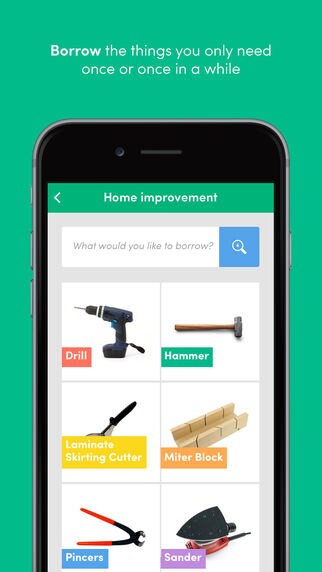
Peerby Connects Communities for Resource Borrowing
Peerby represents a disruptive innovation opportunity for the growth and expansion of the sharing economy and its related industries by promoting resource borrowing and community…
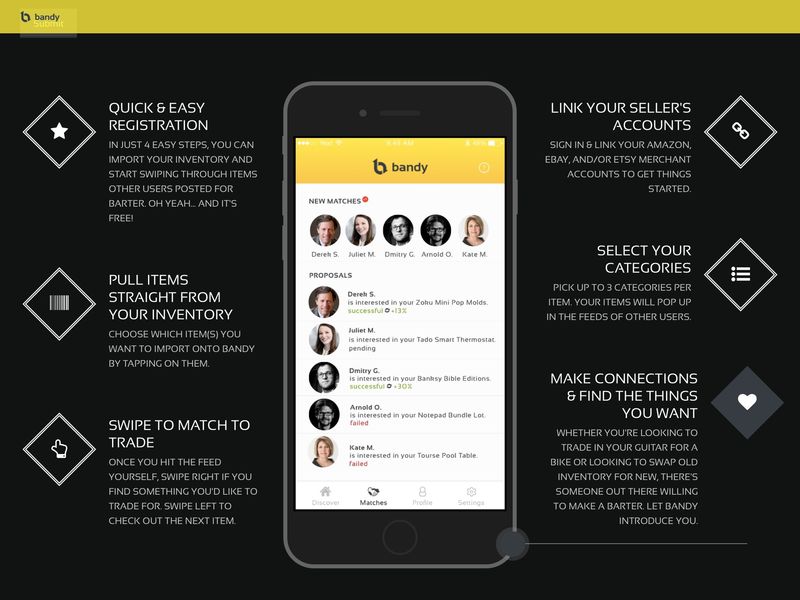
The 'Bandy' Bartering and Trading App Links to eBay and Etsy
Bartering apps like 'Bandy' linking with popular eCommerce sites like eBay and Etsy highlights the integration potential for the eCommerce industry and the opportunity for busines…

The Bunz Flea Brings Toronto's Trading Community Face-to-Face
Disruptive innovation opportunity: Integrate a bartering system into existing e-commerce platforms.
Workshop question
How can your product go beyond strengthening the customer-brand relationship, to strengthening the customer-customer relationship?
Trend signals
Trend score 4.4 out of 10, from popularity 72%, activity 53%, freshness 8%.
Trend themes
Platforms that create spaces for collaborative consumption and strengthen communities, by serving as marketplaces for individuals to barter products and services with peers.
Apps that allow users to buy, sell, and trade unused goods, beauty products, clothing, and anything else they own, while connecting with other buyers and sellers on social networks.
Services that allow to borrow or exchange unused resources with other members, like swapping clothes, trading furniture, sharing skills, or connecting with local communities.
Industry implications
Online marketplaces are changing the retail industry, as consumers shift towards more sustainable and affordable consumption habits, and businesses adopt more dynamic marketplace models.
Social networks are becoming the new marketplaces, as users seek more convenient and efficient ways to buy, sell, and trade goods and services within their communities.
The sharing economy is disrupting traditional business models by allowing individuals to share resources and participate in collaborative consumption, creating new opportunities for entrepreneurship and sustainable development.