
Category
Lifestyle
Baseline Support
Consumers turn to self-reliant tech to ease the hassles of home life.
What's Happening
Automatic Homemaking: Making everyday chores more self-sufficient, consumers are turning to automated tech devices for ease. Helping aging consumers who may not have the physical capabilities that they used to, these automated gadgets help make activities like garbage cleanup and cooking more mechanical, speaking to a desire for pre-programmed methods of routine.
Evidence
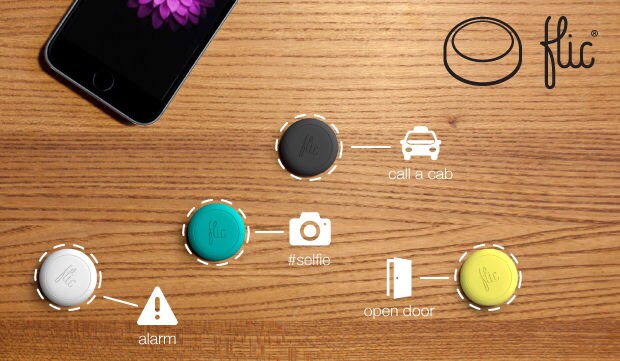
Flic is a Shortcut that Performs Any Action with a Simple Click
Disruptive innovation opportunity: Integrate smart button functionality into existing smart home systems, providing users with an intuitive and centralized control interface.
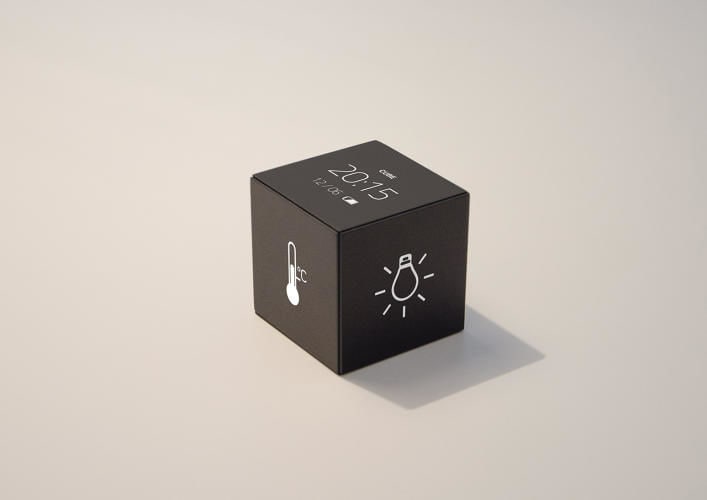
Cube by The Family of the Arts Makes Home Automation Extremely Easy
The smart home technology industry can leverage the trend of simplified home automation to create innovative products that cater to the needs of consumers looking for hassle-free…
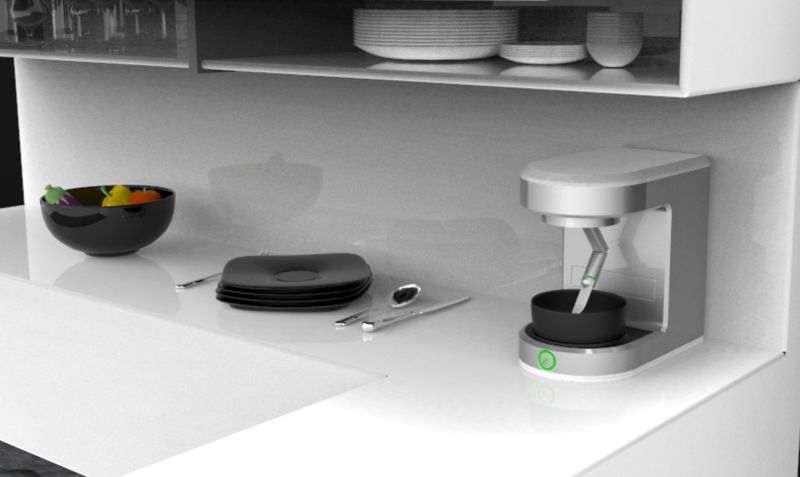
The Fresh Food-Preparing Sereneti Cooki Device Launched at CES 2015
Disruptive innovation opportunity: Leverage robotics technology to develop more advanced cooking robots for consumer use.
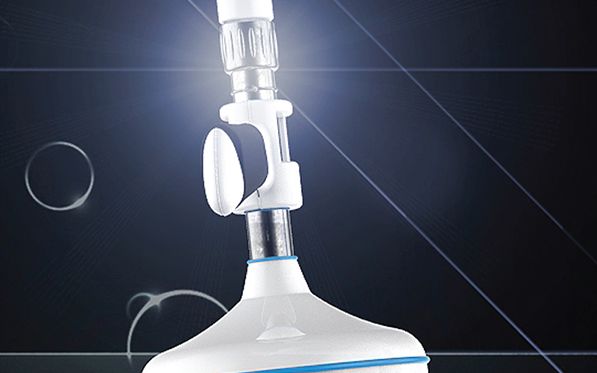
The Cleanser Home Plumber Makes Dirty Jobs Quick and Tidy
The plumbing industry could benefit from incorporating automatic plungers and other innovative tools to enhance the speed and effectiveness of their services.
Trend signals
Trend score 5.5 out of 10, from popularity 81%, activity 75%, freshness 8%.
Trend themes
The trend of automating home chores is being driven by a desire for pre-programmed methods of routine and the need to help aging consumers who may not have the physical capabilities that they used to.
Companies are simplifying home automation by introducing easy-to-use devices, such as Flic and Cube, that can control nearby lamps, shades, thermostats, and speakers contextually.
Startups such as Serenti are introducing devices like the Serenti Cooki, which prepares dinner by automatically preparing ingredients through its simple stirring motion. Ideas for automatic slicing, blending and more are also on the horizon.
Industry implications
The home automation industry provides many opportunities for developing innovative devices that make everyday chores more self-sufficient, including cooking robots, automated plungers, and smart buttons.
The assistive technology industry is a growing sector that caters to aging consumers who may not have the physical capabilities that they used to, who are increasingly turning to automated tech devices.
The consumer electronics industry can capitalize on the trend of automation and simplification of home automation devices, such as the Flic Smart Button and The Family of the Arts' Cube, by introducing more user-friendly and aesthetically pleasing designs.