Category
Fashion
Expressive Timekeeping
Artists and designers are tapping AR to compensate for cancelled events.


Trend
Augmented Adaptation: The majority of art fairs and exhibitions have been canceled due to the outbreak of COVID-19 and many are adapting to the dramatic changes via technology. Augmented reality, in particular, is embraced by artists and designers as a means to exhibit new works and stabilize the art market.
Insight
The government-imposed restrictions due to COVID-19 on people's daily routines have brought on increased levels of restlessness. As a result, many are drawn to digital environments that replicate physical events. By appealing to a sense of escapism, individuals feel comforted and less confined as they engage in pursuits of self-expression or activities that are generally familiar to them.
Trend themes
Artists and designers are leveraging AR to exhibit new works and stabilize the art market, highlighting significant opportunities for AR-powered installations and AR-supplemented virtual art fairs.
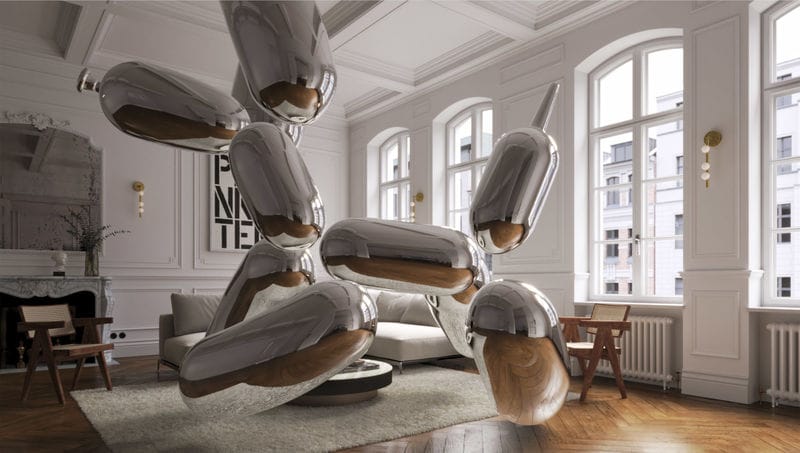
The pandemic-induced restrictions have brought on increased levels of restlessness, leading to a growing interest in digital environments that replicate physical events, showcasing significant opportunities for AR-enhanced furniture and AR-powered exhibits to offer individuals the comfort of sense of escapism.
The event-based industry's quick adaptation to the pandemic has led to the emergence of virtual art fairs, which have become the norm and offer new opportunities for galleries to showcase their works and art enthusiasts to view and potentially purchase them, highlighting significant opportunities for AR-supplemented virtual art fairs.
Industry implications
AR-powered exhibits and AR-supplemented virtual art fairs offer significant disruptive innovation opportunities for the Art and Design industry to create new experiences and reach audiences during pandemics and periods of restricted movement.
AR-enhanced furniture offers significant disruptive innovation opportunities for the Furniture industry to create unique and engaging products that appeal to individuals in search of comfort and a sense of escapism in the midst of the pandemic-induced restrictions.
The emergence of virtual art fairs and AR-powered exhibits highlight significant disruptive innovation opportunities for the Technology industry to enable individuals to view and purchase art from the comfort of their homes through the use of AR technology.
Workshop question
Trend signals
Trend score 5.9 out of 10, from popularity 84%, activity 84%, freshness 9%.
Evidence
Sebastian Errazuriz Helps Artists Sell Artwork During the Pandemic
Leveraging technology to transform how artists create and sell their work.
Crosby Studios Launched a Nike-Branded Augmented Reality Sofa
Incorporating augmented reality technology into furniture design can revolutionize the way customers visualize and shop for home decor.
New KAWS Installations are Spotlighted in EXPANDED HOLIDAY
Opportunity for artists and designers to embrace augmented reality technology to enhance their installations.
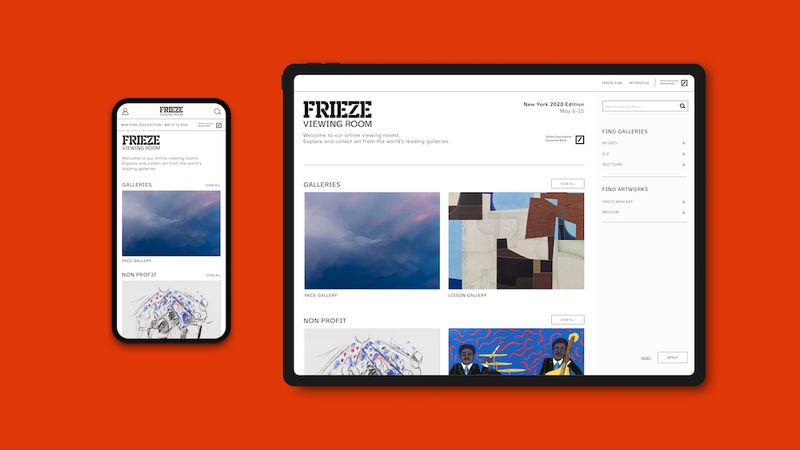
Frieze is Adapting to COVID-19 Restrictions with Technology
Opportunity for galleries to showcase and sell artwork in a virtual setting, reaching a broader audience.