
Category
Lifestyle
Aisle Migration
Couples therapy apps identify problems and provide personalized advice.


What's Happening
Relationship Management: In the interest of keeping divorce demography in the low numbers, companies release marriage counseling apps with assistive features -- from identifying problems in partner behavior and expectations to offering personalized advice and possible solutions. These tools are abundant, mobile and efficient, adding a layer of convenience.
Insight
When couples experience marital problems, solving these issues becomes a priority as divorce is generally an unfavorable outcome. However, many consumers find therapy either inaccessible due to financial issues or social stigma. Millennial consumers embrace digital platforms that provide solutions by offering cost-effective services and comfortable user experiences, ultimately accounting for accessibility.
Evidence
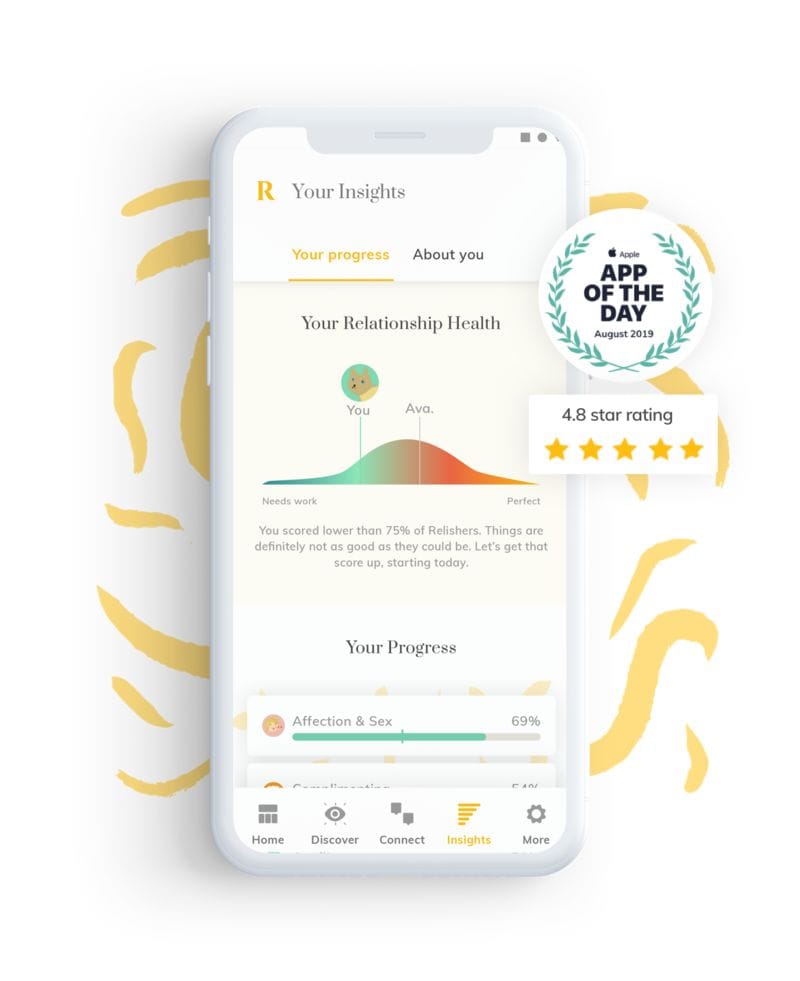
'Relish' Helps Couples Become Happier and More Connected
Disruptive innovation opportunity: Combine technology and mental health expertise to create platforms that offer accessible relationship coaching and support services to individua…
Lasting is Identified as a "Personal Trainer for Marriage"
The growth of marriage counseling apps like Lasting creates opportunities for disruptive innovation within the mobile app development industry.
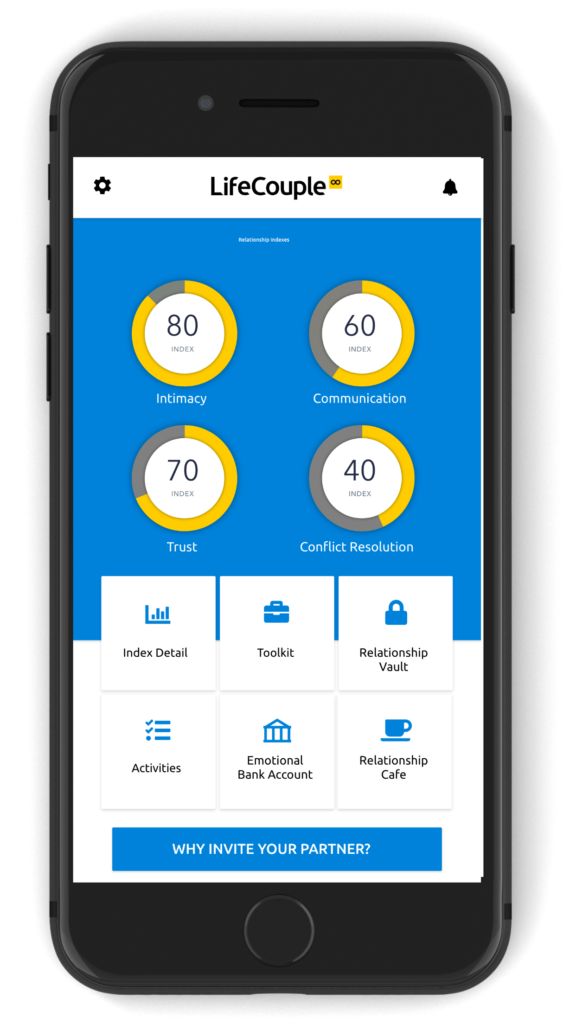
LifeCouple Seeks to Strategically Improve Relationships
The mobile app development industry has an opportunity to create customized apps that help individuals and couples improve specific areas of their relationship.
The We Did It App Hopes to Bring Couples Closer
The mental health industry has an opportunity to expand their offerings by incorporating mobile couples therapy apps to support relationship maintenance and improvement.
Workshop question
How could you offer omnipresent support for your customer base?
Trend themes
Companies are releasing marriage counseling apps with assistive features in order to offer cost-effective and accessible services, while taking advantage of the preference for digital platforms among millennials.
Relationship training apps like 'Relish' and 'Lasting' are leveraging customized lesson plans, one-on-one text-based coaching, and the use of scientific research to offer fully personalized counseling programs suited to the specific needs of couples.
Apps like LifeCouple offer check-ins, assessment questions, alerts, and tools that focus on particular user-specific challenges in five key areas of a relationship - communication, trust, intimacy, conflict resolution, and overall relationship - to facilitate growth and improvement of relationships.
Industry implications
The development of marriage counseling apps is an example of the growing trend of digital healthcare that offers cost-effective and accessible healthcare solutions that leverage technology.
The rise of counseling apps and their efficiency and convenience presents a disruptive innovation opportunity for mobile app development companies looking to offer personalized solutions to customers.
While counseling services have been around for a while, the growth of digital platforms presents an opportunity for relationship counseling services to expand their offerings and reach a wider audience by leveraging technology.
Trend signals
Trend score 3.2 out of 10, from popularity 50%, activity 39%, freshness 9%.