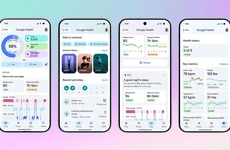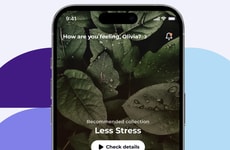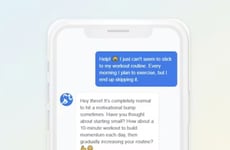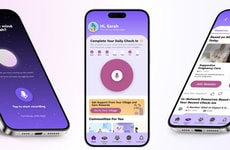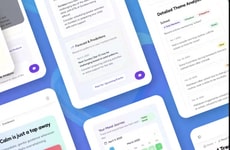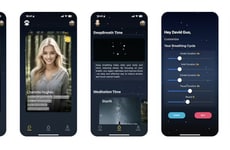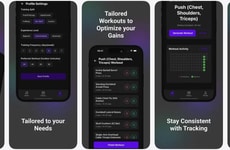



Wellness platforms are shifting from static programs to adaptive support
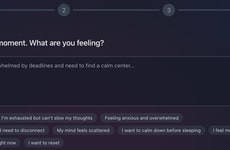
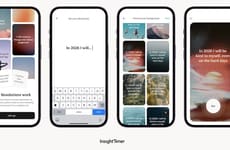
Trend - Digital wellness tools are moving beyond one-time plans and content libraries into ongoing guidance that adjusts to inputs like mood, stress, sleep, activity, and self-reported symptoms. A notable thread is nervous-system-focused support, where brands package regulation practices, check-ins, and personalized prompts as a more responsive alternative to generic self-care routines.
Trigger - Consumers are growing less satisfied with one-size-fits-all advice, especially when stress, energy, appetite, and motivation can change from hour to hour. People increasingly expect wellness help to fit around daily life instead of requiring dedicated sessions, which makes lightweight prompts and continuous interpretation feel more useful than occasional expert guidance alone. The opportunity is to make support feel timely and personal without becoming intrusive, so brands that translate data into simple, credible next steps can become part of everyday health habits.
Trend Themes
-
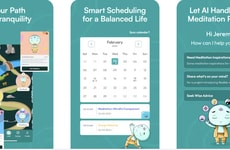
Adaptive Wellness Coaching — Wellness platforms are becoming responsive companions that interpret real-time signals and personal context, creating space for services that replace static plans with continuously adjusted guidance.
-
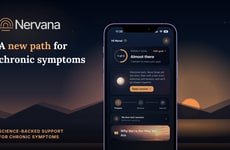
Nervous-system Personalization — Stress regulation, somatic practices, and symptom-aware coaching are moving into mainstream digital health, opening room for science-informed tools that personalize support around fluctuating physical and emotional states.
-
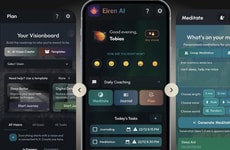
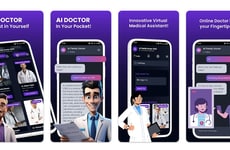
AI-native Care Companions — Generative and agentic AI are transforming wellness apps into always-available support systems, with potential to blend coaching, monitoring, content creation, and care navigation into a single ambient experience.
Industry Implications
-
Digital Health — Remote monitoring, chronic care support, and preventive wellness are converging, giving providers and startups new ways to extend care between clinical visits.
-
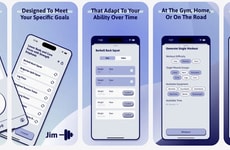
Fitness and Wellness — Personalized routines for movement, recovery, nutrition, mindfulness, and habit formation are reshaping consumer expectations for lifestyle support that adapts to daily needs.
-
Artificial Intelligence — AI voice, personalization engines, predictive analytics, and agentic workflows are enabling wellness products that feel more conversational, contextual, and scalable than traditional app experiences.