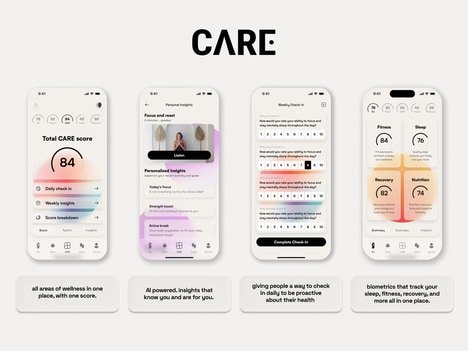
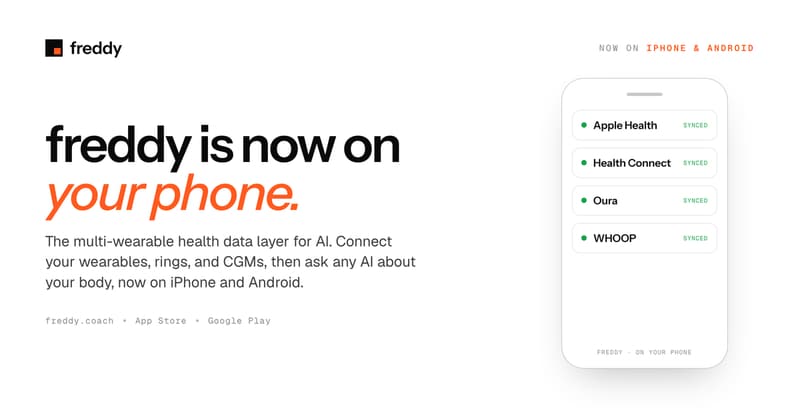
freddy, a personal health-data service operated by reThrive Labs LLC, has launched native iOS and Android apps to complement its web platform. This innovation seeks to bridge the critical gap between on-device health information and the growing ecosystem of artificial intelligence.
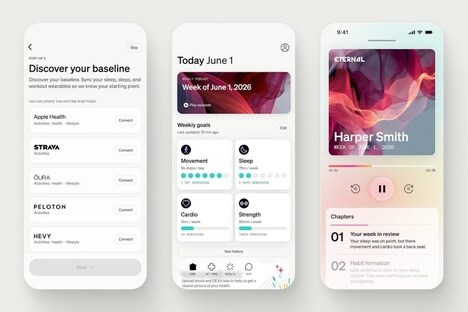
freddy's core service functions as a consolidated data hub. The personal health-data platform pulls metrics such as sleep patterns, heart-rate variability, recovery scores, workout logs, and continuous glucose readings from a wide array of popular wearables and training platforms — from Oura and WHOOP to Garmin and Dexcom. freddy's service then makes this unified dataset queryable through AI assistants like Claude and ChatGPT via the Model Context Protocol.
The new mobile applications address a technical limitation where the web version could not access the siloed health data stored within Apple Health and Android Health Connect, now enabling users to sync this information in the background and bring their complete physiological picture into conversations with their preferred AI.
Image Credit: freddy
Part of the cluster
Ambient Coaching
Wellness platforms are shifting from static programs to adaptive support
Explore the cluster


What's Driving This Trend
- AI-ready Health Data
- Unified physiological records create new value layers for conversational AI tools that can interpret sleep, recovery, glucose, and activity data across fragmented sources.
- Mobile Health Interoperability
- Native app access to Apple Health and Android Health Connect highlights a growing market for services that dissolve platform silos and make personal wellness data portable.
- Contextual Wellness Assistants
- Consumer health platforms are evolving toward AI companions that combine real-time biometrics with natural language interfaces for more personalized lifestyle insights.
Who This Affects Most
- Digital Health
- Personal data hubs expand the competitive landscape for health platforms by turning fragmented wellness metrics into accessible, AI-compatible user profiles.
- Wearable Technology
- Device makers face new ecosystem opportunities as third-party services aggregate wearable outputs and increase the utility of sensors beyond individual apps.
- Artificial Intelligence
- AI assistant providers gain relevance in wellness contexts when structured personal health streams become available through secure context-sharing protocols.