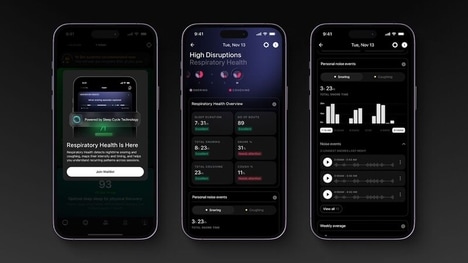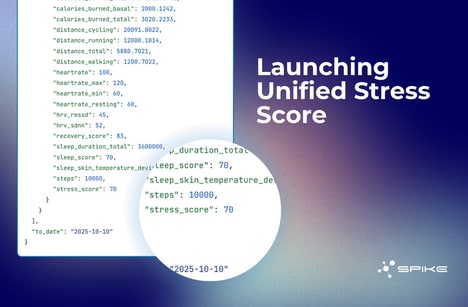
Open Wearables has debuted the first publicly available open-source health scoring algorithms for wearable device data. This inaugural release begins with a sleep score and a resilience score.
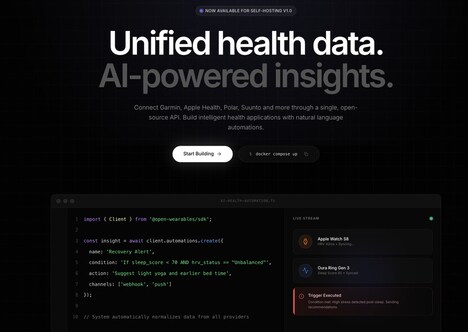
Every line of code for the health scoring algorithms is documented and accessible in a public repository. Both the sleeo score and the resilience score algorithms were designed and validated by a neuroscientist from the Max Planck Institute — an effort which grounds them in peer-reviewed research. They run on a platform that connects all major wearable providers, including Apple Health, Garmin, Whoop, Oura, Polar, Suunto, Strava, Fitbit, Samsung Health Connect, Ultrahuman, and Google Health Connect through a single application programming interface. The system normalizes data across these disparate sources, handles authentication flows, and computes standardized scores on top of that unified data layer, while allowing developers to host everything on their own infrastructure with no per-user fees at any scale under an MIT license.
Why This Trend Is Growing
- Open-source Health Algorithms
- Publicly documented scoring code creates transparent, auditable baselines that can accelerate third-party validation and bespoke model development.
- Cross-platform Data Normalization
- A unified API that harmonizes streams from major wearables produces standardized inputs suitable for scalable population-level analytics and comparative benchmarking.
- Research-grounded Scoring
- Algorithms validated by peer-reviewed neuroscientists establish clinically credible metrics that can bridge consumer wearables with medical-grade decision support.
Industries Being Reshaped
- Consumer Wearables
- License-free, hostable scoring engines offer device makers a way to differentiate products through customizable, evidence-backed user insights.
- Healthcare Analytics
- Standardized sleep and resilience indices create consistent outcome measures that enhance longitudinal studies, risk stratification, and payer reporting.
- Digital Health Platforms
- Open, interoperable scoring modules support platform strategies centered on extensible integrations and reduced per-user operating costs.