Category
World
Suite Ladder
Airlines redesign seats around distinct comfort tiers and private space.


What's Happening
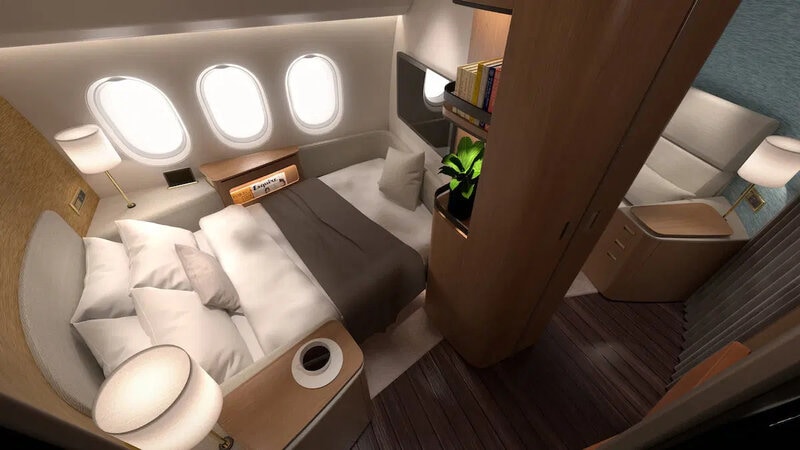
Cabin Zoning: Airlines are separating the onboard experience more clearly through seat architecture that gives different fare levels more distinct layouts, finishes, and functions. Long-haul cabins are being reworked around space allocation, with premium areas adding larger footprints and more enclosed settings while economy seating is also being refined for extended trips. High-end sections are adding more individualized features, including suites and tailored in-seat elements that increase privacy and control.
Why It's Happening
With skyrocketing costs in the travel industry, consumers are increasingly looking for experiential features and services that will help them justify the price tag—from the cost of the ticket to the accommodations at the destination. Many are placing a premium on physical and mental comfort, especially when they are facing the stress of long-duration travel. For some, this desire manifests in a want for greater privacy and seclusion, while others are open to settling for more physical space that would make their long-haul journey feel more manageable. The takeaway for brands is that upgrades need to feel structurally built into the experience, as consumers notice when the environment itself reflects their needs.
Evidence
Cathay Pacific Appears to Plan Four-Seat Halo Suites for the 777-9
Long-haul carriers are using cabin architecture as a competitive lever, with ultra-premium suites reshaping how airlines monetize limited space on flagship routes.
JetBlue Introduces BlueFirst With Enhanced Comfort
Domestic carriers can use personalized cabin formats to strengthen loyalty among travelers seeking upgraded comfort without long-haul premium pricing.
Alaska Airlines Launches International Business Class Suites
Airlines can differentiate on profitability and loyalty through cabin-product innovation that targets high-yield international travelers.
United will Introduce the Airbus A321XLR Cabin This Summer
Carrier network planners and revenue managers face prospects to open nonstop long-range routes using cost-efficient narrow-bodies, reshaping route economics and competitive positi…
Air Premia Reduces Cabin Capacity for More Legroom
Passenger comfort investments are reshaping competitive differentiation among long-haul carriers serving high-demand international routes.

FutureFlite Bundles Cabin Seating, Screens and Charging
Airlines gain new pathways to modernize passenger cabins without relying on large internal engineering teams or fragmented vendor ecosystems.
Workshop question
How could your brand build clearer experience tiers into the core design of its offering rather than relying on add-ons?
Trajectory
Latest reading 6.4 for the week of Nov 2, 2026. Holding over the final 3 scored weeks (±0.0), at its peak of 6.4. Momentum 2.8/10, persistence 2.5/10.
9 Trend Hunter articles were grouped into the wider weekly cluster this trend was identified in, over 2 weeks.
 Premium Airline Service UpgradesChina Eastern Adds Lounge Seats and Wi-Fi for First Class
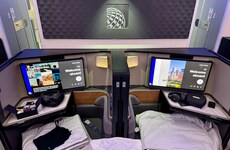 Premium Aircraft DeploymentsUnited Sends Its Elevated Dreamliner From Las Vegas to Tokyo
 Shorter-Flight Meal PreordersUnited Extends Fresh Food Ordering to Shorter Routes
 Adjustable Regional Aircraft SeatsAmerican Airlines Adds RECARO’s ‘R2’ to Its Embraer E175 Fleet
 First-Class Concierge ServicesSingapore Airlines Makes Its Changi Airport Concierge Permanent