
Category
Tech
Disc Revival
Task-focused apps turn genAI into guided help for creative and office tasks.




Trend
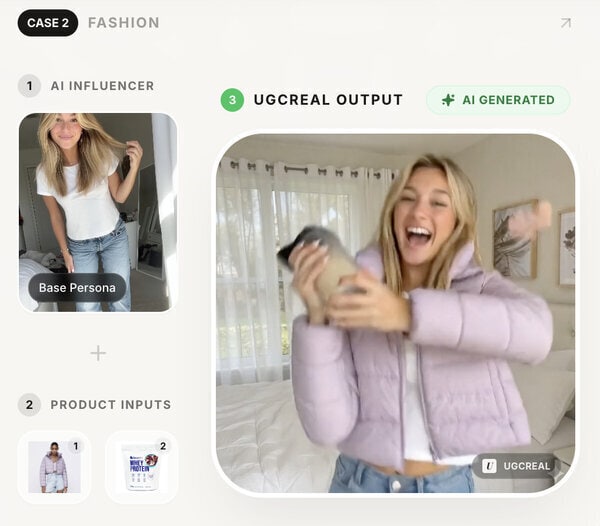
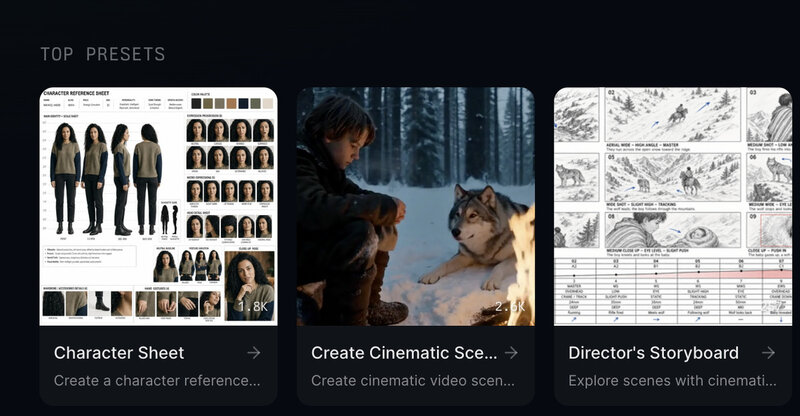
Workflow Automation: AI services are being built around narrow outcomes such as editing short-form video, generating creative assets, planning events, or producing stylized family imagery. This shifts the value from general-purpose models to guided workflows that are easier to use for consumers of all experience levels. These focused tools are engineered to drive practical adoption to the masses with low barriers to entry.
Trigger
As consumers become more familiar with AI tools and the capabilities of advanced agentic AI, more users are demanding that AI not only provide recommendations and tools, but also help complete the end task. These consumers increasingly demand polished services that produce sophisticated results regardless of the skill level, or budget, of the creator. The nature of these consumer pressures leads AI brands to ensure their tools are usable by novices, while still demonstrating clear utility for experts, which is often achieved through focus group testing and consumer insights data.
Workshop question
Trajectory
Latest reading 6.8 for the week of Aug 31, 2026. Rising over the final 3 scored weeks (+0.2), −1.5 from its peak of 8.3 in the week of Aug 24, 2026. Momentum 3.6/10, persistence 10.0/10, backed by 4 research findings.
Evidence
Brandthetics Turns Raw Talking Videos Into Engaging Cinematic Content
Independent creators gain access to professional-quality editing capabilities that narrow the gap between casual recording and studio-grade production.
SnapShare Uses AI Face Recognition To Deliver Personalised Event Photos
Smart media distribution expands the role of event software from registration and logistics into personalized post-event experience management.
Instant Baby Studio Creates Professional Baby Portraits From Pics
Traditional portrait providers face new competition from AI platforms that deliver studio-style results quickly and affordably without physical appointments.
Mitte 1.0 Brings Professional Image, Video, & Voice Creation Into One Platform
AI creative suites expand the marketing stack by enabling teams to produce campaign assets, social content, and branded media with fewer external production dependencies.
Higgsfield Gives Creators Powerful AI Tools For Video Production
Professional-grade AI tools are challenging legacy production models by reducing dependence on costly equipment, crews, and specialized post-production expertise.
30 Trend Hunter articles were grouped into the wider weekly cluster this trend was identified in, over 6 weeks.
 Generalist Robot ModelsGeneralist AI's GEN-1.5 Expands Multi-Task Robot Capabilities
 General-Purpose Vision ModelsPerceptron Launches Its Isaac 0.5 Model With Open Weights
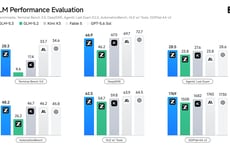 Agentic Coding ModelsZ.ai's GLM-5.3 Advances Coding and Cyber Capabilities
 Agentic Freight Management PlatformsAlvys Foundry Embeds Custom AI Agents into Freight Workflows
 Agentic CRM Assistant FeaturesHoneyBook Launches Its HoneyBook MCP Connector For Claude
 Agentic Market Research ServicesEchovane Uses AI Agents to Execute Complex Research Studies
 AI Commercial Real EstateTandem Uses AI To Modernise Office Leasing
 AI Search AssistantsNimt Brings AI-Powered Search Directly Into Slack
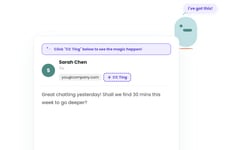 AI Calendar AssistantsMeet-Ting Gives Your Schedule An AI-Powered Availability Agent
 AI Nutrition TrackersCalistant Makes Food Tracking Easier With An AI Nutrition Assistant
 AI Executive AssistantsNori Uses AI To Manage Your Calendar And Inbox And Give You Back Focus
 AI Travel IntegrationsNavan & OpenTable Has Brought Unified Itineraries into Restaurant Discovery
 AI Shopping AssistantsAira Helps Shoppers Remember, Track, And Find Products Across The Web
 AI Wearable Camera FeaturesInsta360's GO Ultra Wearable Camera Boasts an AI Voice Assistant
 AI Coaching Business PlatformsWellio AI Helps Fitness And Wellness Coaches Scale Their Businesses
 AI Development EnvironmentsTrae Helps Build And Ship Software Faster With An Adaptive AI IDE
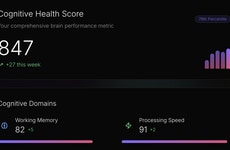 AI Cognitive TrackersCognigauge Helps Users Measure, Understand, And Improve Their Performance
 AI Basketball TrainersLUMISTAR Launches Its Portable CARRY System with Vision-Powered Coaching
 Cognitive AI-Powered Pool CleaningAiper Showcases Its Research and Development
 AI-Enhanced Outdoor Lighting SystemsIn-Lite Debuts the Smart AI Feature for Its Lighting System
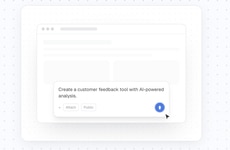 AI App Development PlatformsBlink.new Builds Full-Stack Apps From Ideas In Seconds With AI
 Ai Earth VisualizersThe Google Earth Nano Banana Integration Adds Ai-Generated Visualizations
 AI Shelf IntelligenceInstacart Adds Arpalus Shelf Scanning to Improve Inventory Accuracy
 Convenient AI Shopping AssistantsKroger Debuts Its New AI Shopping Assistant
 Adaptive AI Fitness AppsVeyr's Fitness Intelligence Engine Makes Training Personalized
Research
Bounded AI Assistants
People welcome AI that speeds up tedious tasks but are uneasy letting it make high-stakes or opaque decisions.
Bounded AI designs acknowledge this by framing AI as an assistant that interprets data and offers options, while humans retain judgment and accountability. This ‘copilot’ approach reduces cognitive burden without triggering fears of loss of control, making adoption more palatable in sensitive arenas like health, beauty, and finance.
Nuanced AI Creativity
Marketers want the speed and breadth of AI, but they know audiences are quick to spot—and reject—content that feels generic or tone-deaf.
Using AI as an idea engine and pattern detector, then layering on human taste, cultural sensitivity, and storytelling, allows brands to scale creativity without sacrificing authenticity. This hybrid model reflects a pragmatic acceptance of AI’s strengths and weaknesses in culture-making.
Commerce Co-Pilot
Shoppers increasingly want help sorting abundance, but not by manually browsing endless options.
AI commerce tools matter because they promise faster relevance, better fit, and less cognitive work, turning personalization into a background service rather than a flashy front-end gimmick.
Agentic Shelf
The next commerce battle may not be won on the webpage or the app, but inside the interfaces that shop on the consumer's behalf.
That creates a new tension for brands: they want the efficiency of agents, but risk losing direct access to intent, differentiation, and merchandising influence. Retailers now need to merchandise not only for humans, but for machines that interpret and act on shopper preferences.