



Category
Lifestyle
Assisted Choices
Nutrition brands are upcycling food waste to create more sustainable products.
Trend
Waste Supplement: From seafood shells to imperfect produce, researchers have identified the potential of food waste in creating functional ingredients for supplements and vitamins. As a result, nutrition brands are pivoting to a more sustainable production strategy by disrupting the food waste pipeline.
Insight
Motivated by the health and wellness movement, individuals—especially those who have a demanding lifestyle—are consistently on the lookout for ways to better support themselves and their bodies, which allows them to feel more energized and productive. As ideas of wellness also correlate to the state of the environment, consumers in this space are placing a premium on sustainability, gaining peace of mind by doing their part for the environment.
Trend themes
Nutrition brands are pivoting to a more sustainable production strategy by using food waste for supplements and vitamins.
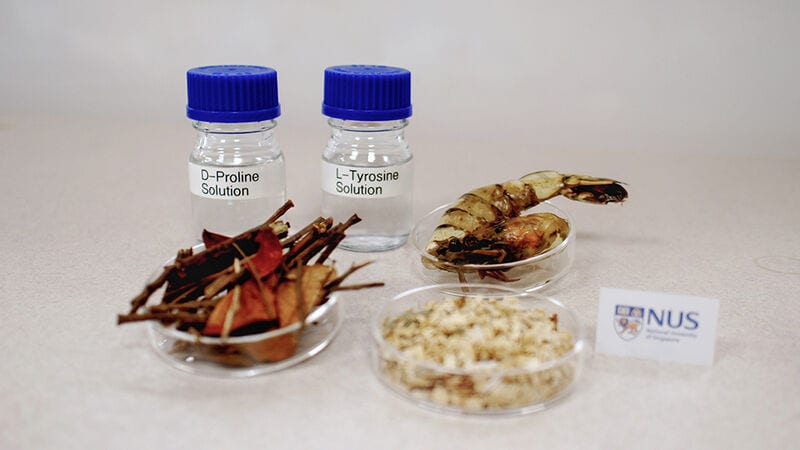
Researchers have developed processes that turn waste, such as shells of crustaceans, wood waste, and wine waste, into nutritional supplements and medicine.
Creating fully traceable, high-value nutraceutical ingredients from waste provides disruptive innovation opportunities for eco-conscious organizations and brands in the supplement industry.
Industry implications
Consumers in the health and wellness space increasingly value sustainability, creating opportunities for brands to pivot to more eco-conscious production strategies.
Upcycling farm waste to create nutritional supplements and sweeteners and providing accessibility to upcycling equipment can reduce waste and positively impact the environment.
Waste-powered production is accelerating in the medical industry as organizations look for ways to reduce reliance on non-renewable fossil fuels and energy-consuming processes.
Workshop question
Trend signals
Trend score 4.2 out of 10, from popularity 65%, activity 52%, freshness 9%.
Evidence
Researchers Established a New Way for Producing Amino Acids
The sustainability industry can explore disruptive innovation opportunities to develop new processes and technologies for converting waste materials into valuable products.
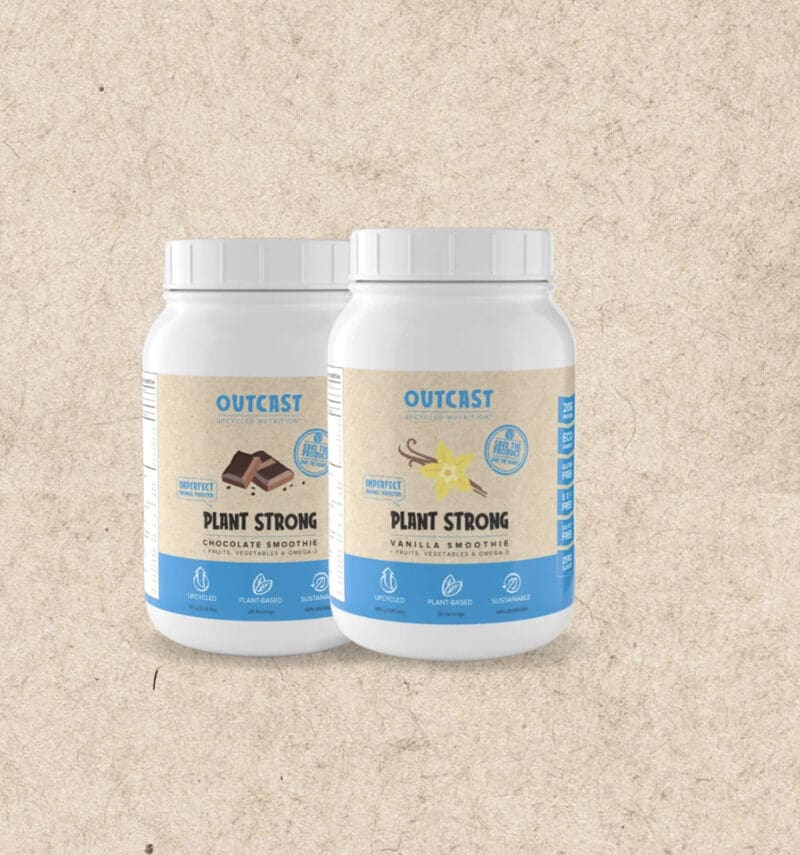
Outcast Foods Aims to "Disrupt the Food Waste Pipeline"
Disruptive innovation opportunity: Incorporate upcycled ingredients into nutritional supplements to offer sustainable and eco-friendly options to health-conscious consumers.
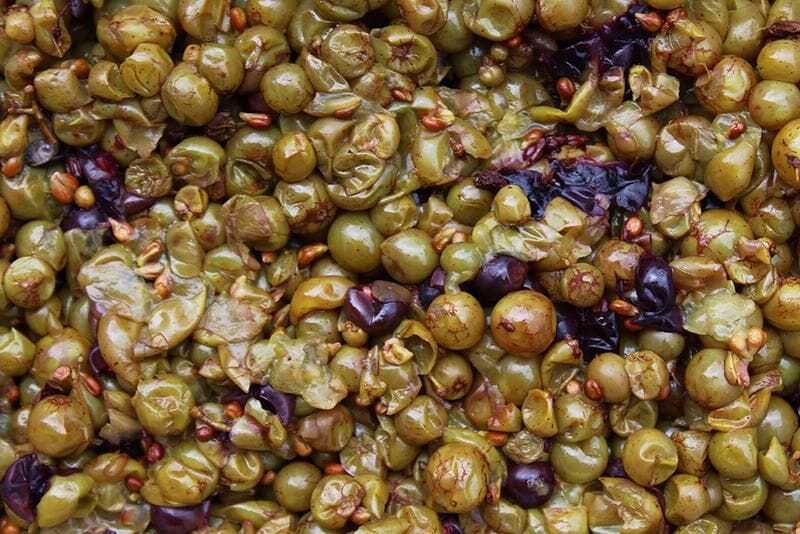
Organizations are Looking to Create a Sustainable Industry
Potential for the wine industry to adopt waste-to-nutraceutical practices, transforming byproducts into new revenue streams.
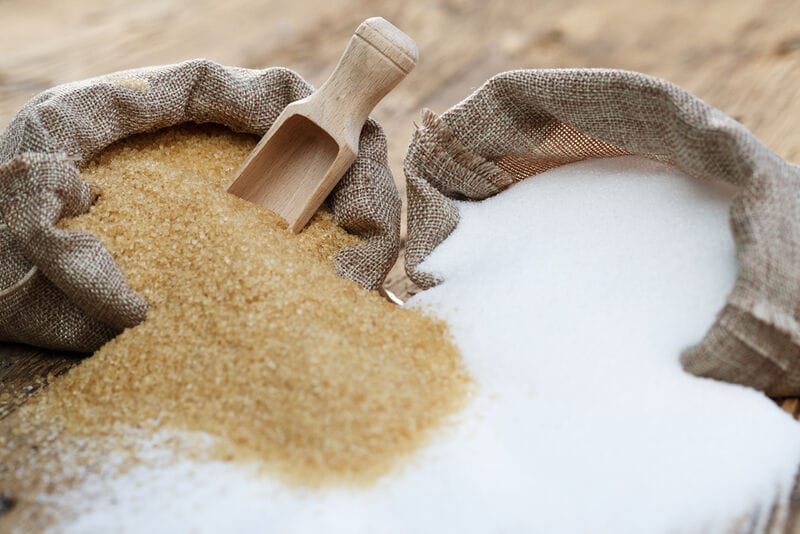
Comet Bio Upcycles Farm Waste into Healthy Sweeteners and Supplements
Comet Bio's upcycled sweeteners can be utilized by the food and beverage industry to create healthier products with reduced sugar content.






