Category
Eco
Power Modularity
Brands Use UV Tags on Product Packaging to Trace Recyclability and Lifecycle.


Trend
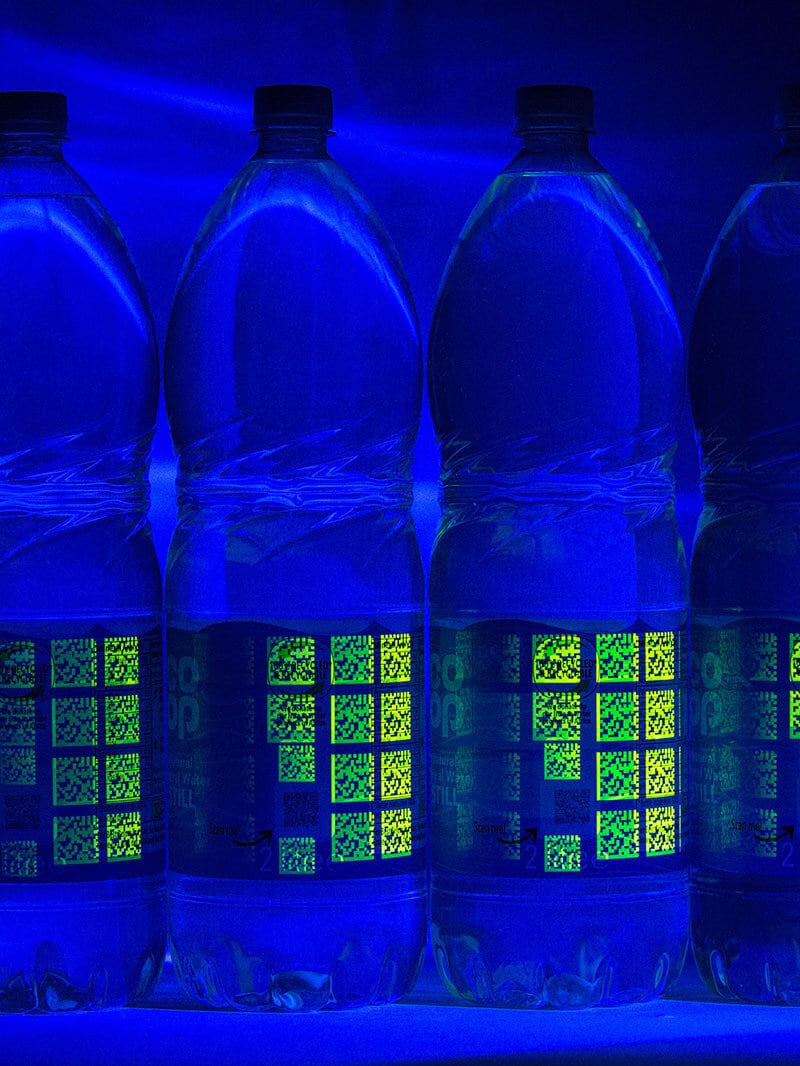
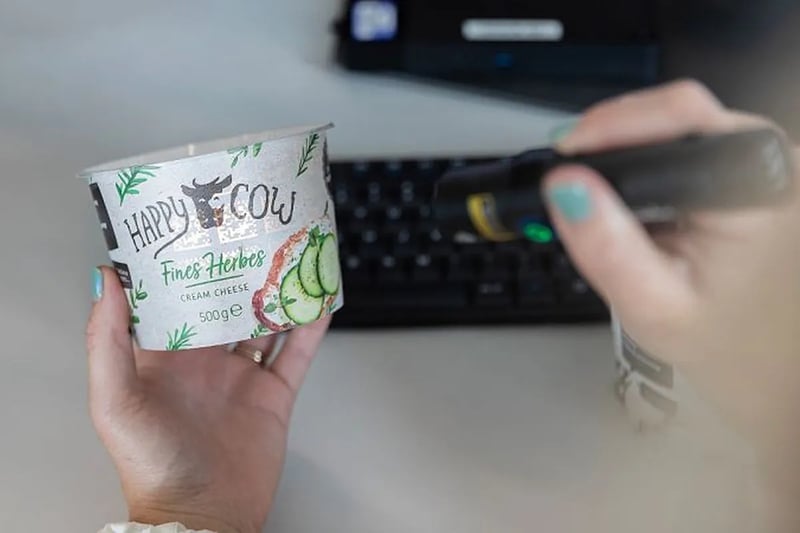
UV Trace: Brands are adding invisible UV tags to packaging so recyclers can scan items, capture real‑time lifecycle data, and verify recovery rates. The tags work across formats and integrate into existing workflows, helping companies demonstrate recyclability and meet sustainability rules.
Insight
Consumers want proof that packaging is truly recyclable, not just labeled as such. Many feel unsure whether materials are recovered or end up as waste. UV tagging reduces that uncertainty by creating item?level traceability that shows how packaging moves through the recycling system. This gives shoppers confidence that brands are investing in real circularity, while helping companies validate sustainability claims and improve future packaging design.
Trend themes
Invisible UV markers turn everyday packaging into data-capturing assets, creating openings for systems that verify recycling outcomes without changing shelf appeal.
Granular lifecycle tracking strengthens the credibility of sustainability claims, revealing potential for analytics platforms that connect post-consumer behavior with packaging redesign.
Expanding EPR rules and digital product requirements are making traceability a compliance layer, with room for scalable verification tools across brands, recyclers and regulators.
Industry implications
Connected labels and embedded tags are reshaping packaging into a measurable circularity channel where materials, origin and end-of-life performance can be continuously documented.
Sorting facilities are becoming data hubs as optical scanning and UV detection technologies support more precise recovery measurement and material-flow intelligence.
Food, beverage and household brands gain new visibility after purchase, opening pathways for packaging formats that combine sustainability validation with operational insight.
Workshop question
Trend signals
Trend score 6.9 out of 10, from popularity 61%, activity 54%, freshness 91%.
Evidence
Kraft Heinz Has Joined Polytag's Ecotrace Program
Packaged food producers are gaining new visibility into end-of-life material behavior, enabling more credible sustainability claims tied to specific product lines.
Aldi and Arla Has Introduced Polytag UV-Tagging
Packaging suppliers can explore material and label formats that combine food safety, durability, and digital traceability for circular economy applications.
Polytag and MCC Embed UV Tags into In-Mold Packaging Labels
In-mold traceability expands packaging functionality beyond branding by turning containers into data-rich assets for circular systems.
Polytag and Saica Flex Introduced UV Label Tracking
Labelstock and converter operations that incorporate invisible UV inks, enabling new product lines focused on smart-packaging offerings and value-added traceability services.