



Category
Lifestyle
Assisted Choices
Brands are launching sugar alternatives that repurpose food waste.
Trend
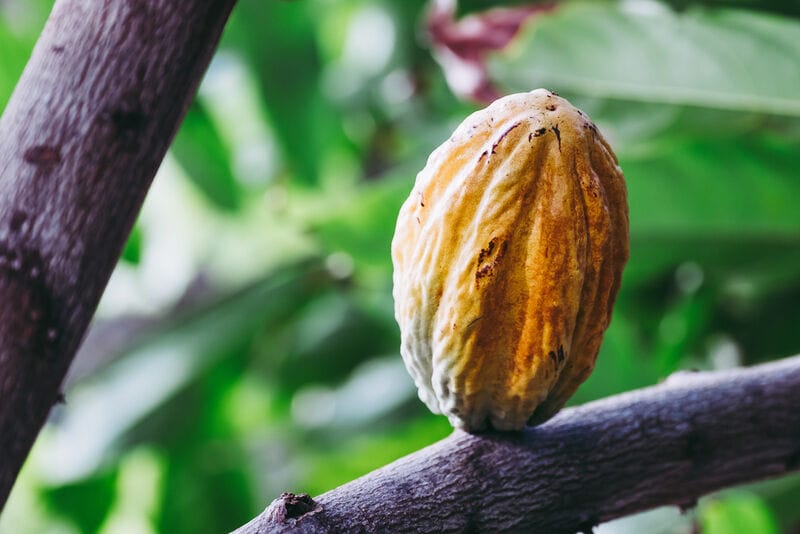
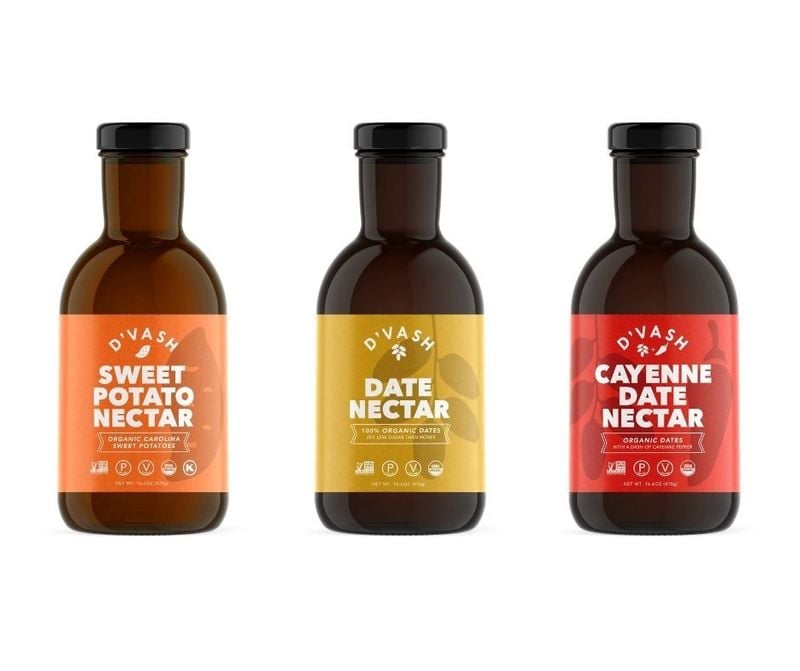
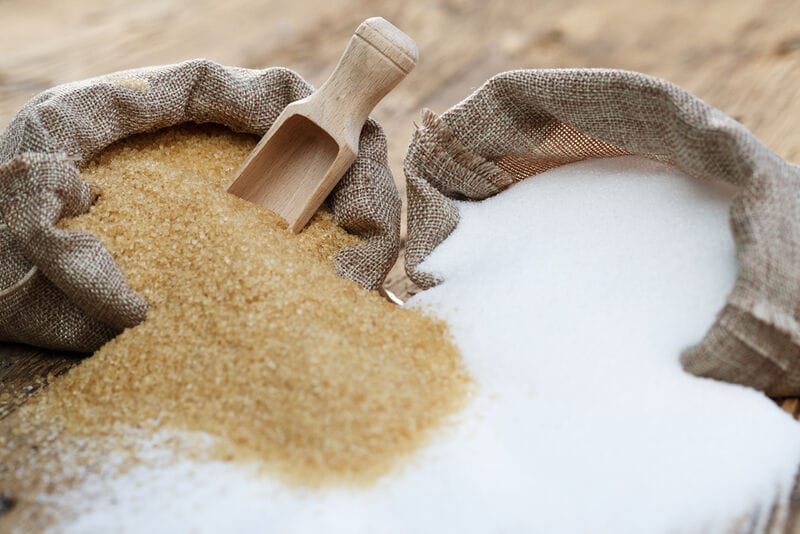
Upcycled Sweetener: Brands are launching sugar alternatives made from upcycled products such as cocoa shells, apples, pears, and dates to sweeten food and beverages—which typically end up in landfills. These offerings come in both liquid and granular formats to suit a variety of needs.
Insight
Eco-conscious consumers have become aware—and concerned—with the staggering amount of food waste taking place across the globe. This demographic is conscious of how their consumption habits impact the environment, and in an effort to reduce their carbon footprint, they are turning to brands that offer upcycled products to mitigate the environmental impacts of food production.
Trend themes
Upcycling food waste to create healthy sweeteners and supplements, including those made from cocoa shells, apples, pears, and dates, satisfies eco-conscious consumers' desire to reduce their carbon footprint and encourages making more mindful consumption choices.
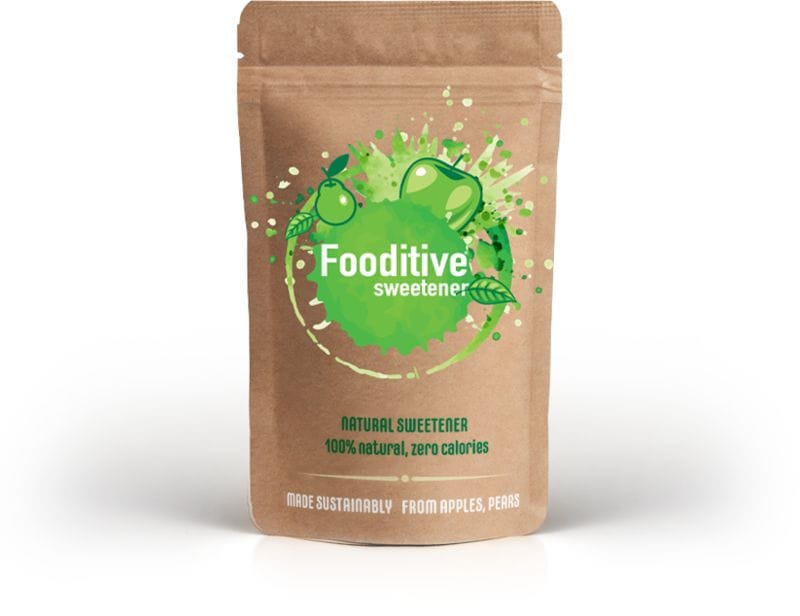
Fooditive's zero-calorie sweetener, made from apples and pears with brown spots or unconventional colors, is a new and more environmentally sustainable alternative to natural and artificial sweeteners.
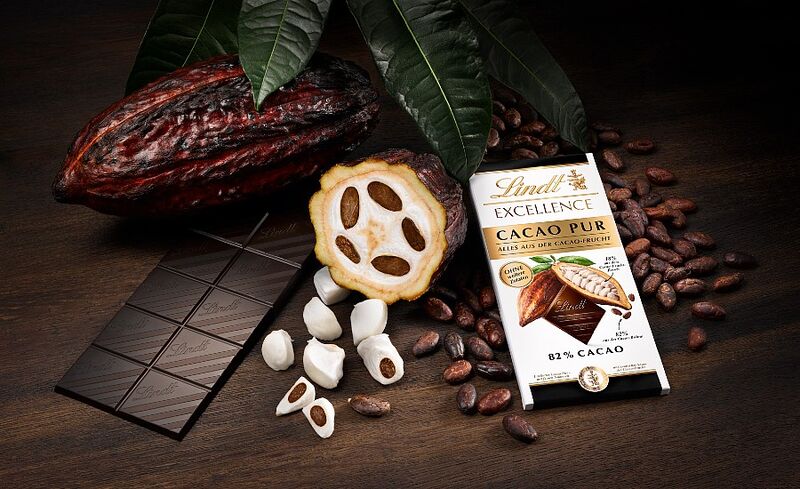
Companies like Koa and Lindt are reducing waste and increasing value creation in cocoa-growing regions by using cocoa pulp powder as a natural sweetener option for chocolate bars.
Industry implications
Upcycling food waste to create new, healthy products such as sweeteners directly addresses the consumers' environmental concerns while simultaneously encouraging the idea of mindful consumption that is inherent in our society.
Upcycling farm and food waste into products with high value application such as natural sweeteners and supplements builds a more sustainable future in agriculture.
Designing and developing new products that are not only healthy but also mitigate environmental damage from waste, provides a disruptive innovation opportunity for the sustainability industry.
Workshop question
Trend signals
Trend score 3.7 out of 10, from popularity 56%, activity 47%, freshness 9%.
Evidence
The Healy Group Debuted a Sugar Alternative Called PrimaFI Cocoa
The food manufacturing industry can explore opportunities for developing new products that utilize upcycled food waste and alternative sweeteners like PrimaFi Cocoa.
Fooditive's Zero-Calorie Sweetener is Made from Apples & Pears
Food manufacturers can explore the production of zero-waste food products, such as sweeteners made from food waste, to tap into the growing demand for sustainable and eco-friendly…
D'vash Organics' Sweeteners are Made with Dates & Sweet Potatoes
Disruptive innovation opportunity: Develop new sweetener products and diversify the sweetener market within the food and beverage industry.
Comet Bio Upcycles Farm Waste into Healthy Sweeteners and Supplements
Comet Bio's upcycled sweeteners can be utilized by the food and beverage industry to create healthier products with reduced sugar content.
Koa and Lindt Created Bars Sweetened with Cocoa Pulp Powder
Chocolate industry can innovate their products by using alternative sweeteners like cocoa pulp powder.






