
Category
Eco
Exit Logic
Brands introduce tools to capture laundry microfibers for upcycling.


What's Happening
Upcycled Microfiber: Brands are launching new devices and tools to transform laundry microfibers into new products, contributing to sustainability efforts in the textile industry. By redelivering these textiles back to manufacturers, they can be repurposed to benefit multiple industries and applications.
Insight
Consumers are becoming increasingly conscious of their environmental footprint and subsequently seek products that reduce the impacts. Upcycling textiles empowers consumers to engage directly in waste reduction and the generation of new products, appealing to those who wish to mitigate the environmental consequences of their consumption habits. Businesses that cater to consumer demand for circular products can appeal to shoppers who wish to support brands that align with their sustainability values.
Evidence
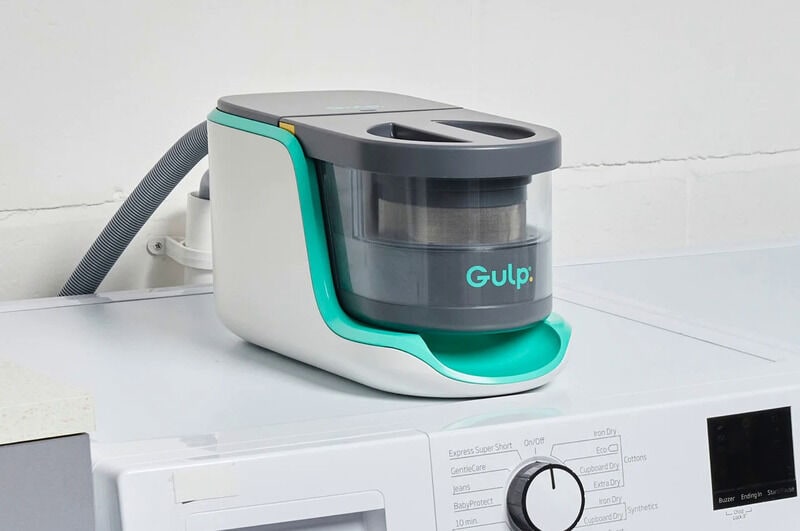
The Matter 'Gulp' Captures Microplastics During Washing
The development and distribution of microfiber-catching washing machine filters presents an opportunity for creating new services within the environmental industry.
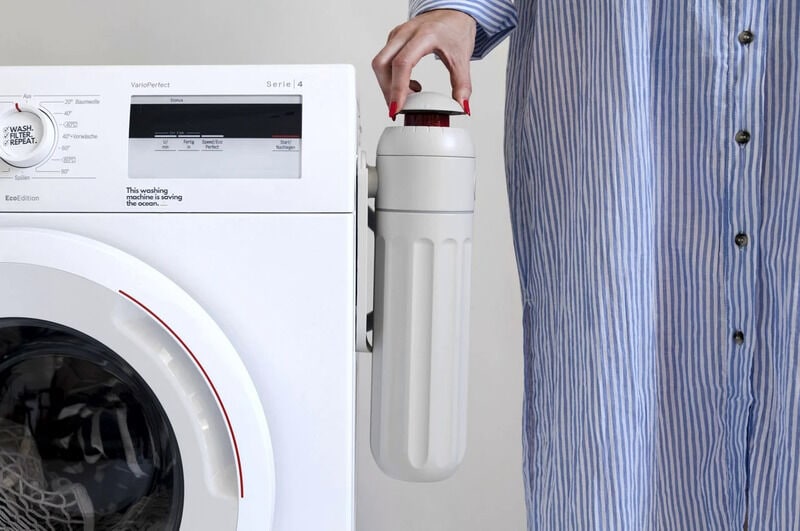
PlanetCare 2.0 Fits onto Existing Washing Machines
The PlanetCare 2.0 microfiber filter can be attached to existing washing machines, offering a disruptive innovation opportunity in the home appliances industry.
Samsung's New Less Microfiber Filter Catches Small Plastics
Companies in the home appliances industry may benefit from offering microplastic filter solutions in their products, which can appeal to environmentally conscious consumers.
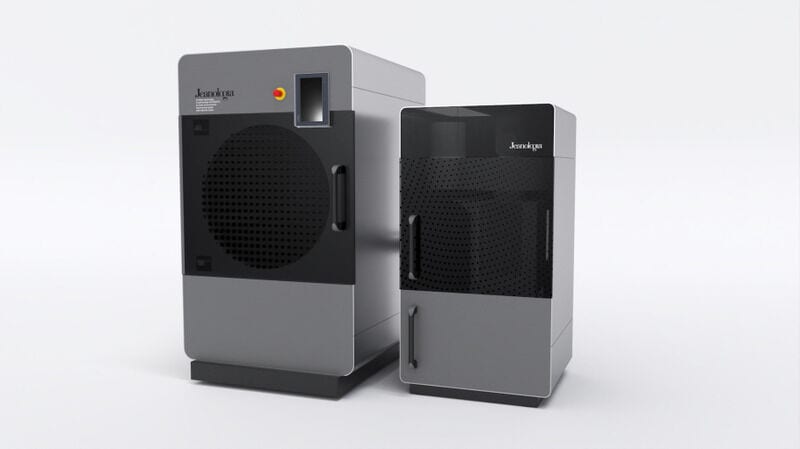
This Air Fiber Washer Helps Reduce Microfiber Shedding
The air fiber washer has the potential to disrupt the fashion manufacturing industry by offering an efficient solution to reduce microfiber shedding.
Xeros Debuts a Research Initiative for Upcycling Plastic Microfibers
The textile industry can explore upcycling textile micro/nanofibres in their production processes to move towards a more sustainable and circular production model.
Workshop question
How can your brand reduce consumer waste and production costs?
Trend themes
Brands introducing tools to capture and repurpose laundry microfibers for upcycling purposes illustrate innovative sustainable practices in textile manufacturing.
Consumers seeking products that reduce environmental impacts drive the upcycling trend, creating opportunities for businesses to cater to circular economy preferences.
Growing consumer awareness of environmental footprints increases the demand for initiatives like microfiber upcycling, encouraging businesses to align with sustainable values.
Industry implications
In the textile industry, adopting upcycled microfiber technologies can lead to disruptive innovations in sustainable production methods.
Consumer goods industries can benefit from upcycling microfibers to create environmentally conscious products that resonate with sustainability-minded consumers.
The environmental technology sector has the potential to harness upcycled microfibers for creating solutions that address pollution and waste management challenges.
Trend signals
Trend score 5.2 out of 10, from popularity 71%, activity 65%, freshness 21%.