
Category
Lifestyle
Gut Layering
Sports nutrition borrows creamy, gooey and bakery-like formats for snacking.
What's Happening
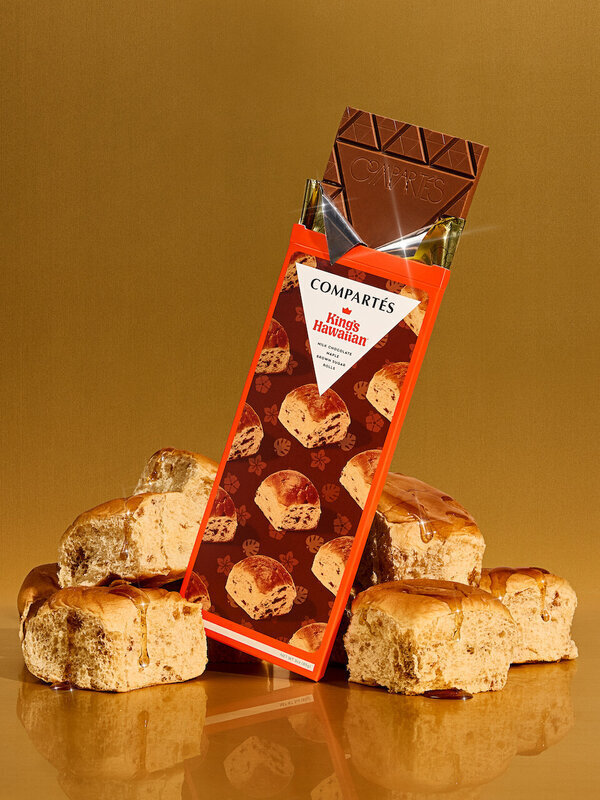
Texture Mimicry: Protein-led products are adopting sensory cues more often associated with sweets, including soft centers, marshmallow-style textures and spreadable formats. Bakery-inspired textures and tastes further extend this trend to help make functional eating feel closer to a treat occasion. The protein component is positioned as utility, while the taste and texture focus on enjoyment.
Why It's Happening
Many consumers appear to want protein intake without the austere taste and texture cues of legacy sports nutrition. Enjoyment matters when a functional product is meant to be eaten repeatedly, not just occasionally. As protein becomes part of everyday snacking, sameness becomes a liability. More varied textures, formats and flavor references help reduce boredom across different moments of use. The takeaway for brands is that nutrition alone may not be enough to win repeat purchase. Sensory design can offer a greater value proposition for shoppers in the market for functional foods.
Evidence
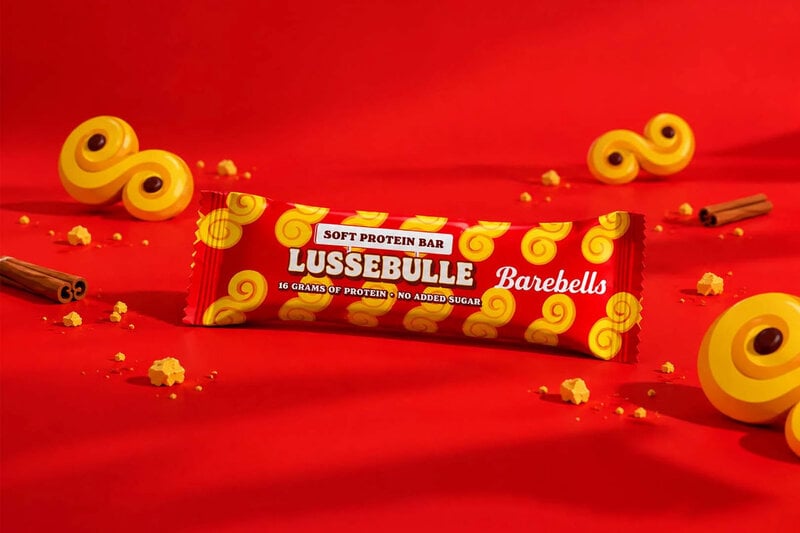
Barebells Turns the Swedish Lussebulle Into a 16g Protein Bar
Protein-enriched seasonal formats are broadening the category by blending performance benefits with emotional, occasion-based consumption.
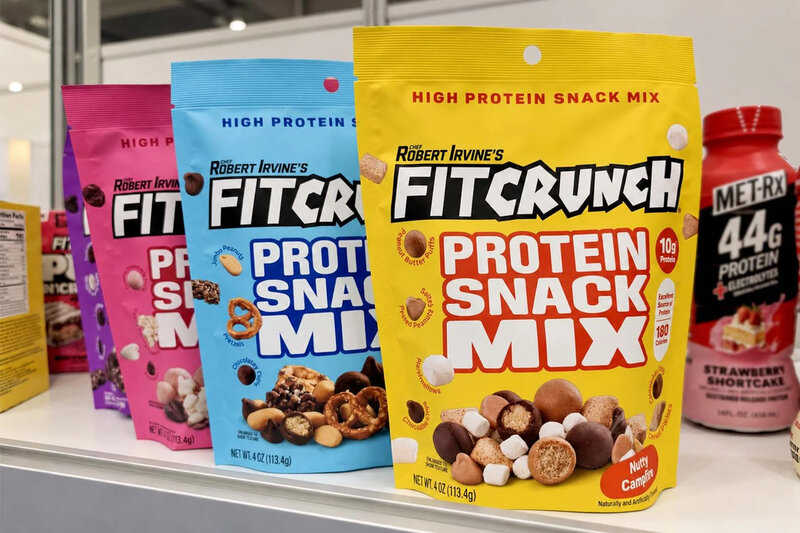
FitCrunch Takes Its Protein Approach Beyond Bars with Snack Mix
Protein-forward trail mixes highlight opportunities for nutrition brands to enter familiar snack categories with added wellness cues.
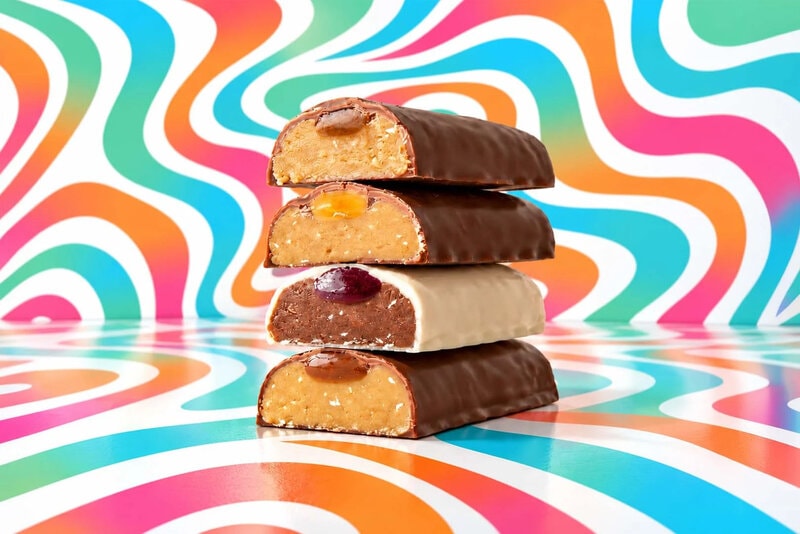
Yubi Gives Its 99-Calorie Bar a Gooey Center in Soft Protein Bars
The category is being reshaped by formats that prioritize flavor, texture, and snackability over maximum macronutrient performance.
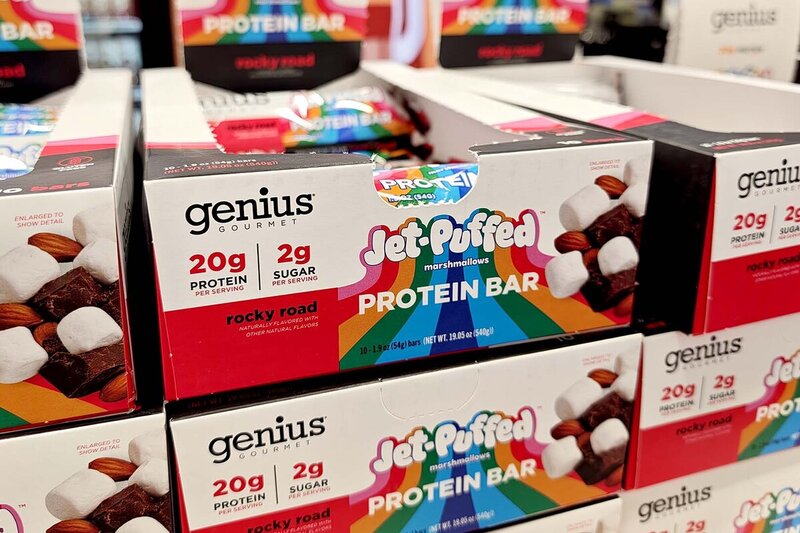
Genius Gourmet Teams Up with Jet-Puffed for a 20g Protein Bar
High-protein formats borrowing from dessert and candy conventions signal opportunities for more emotionally resonant wellness products.
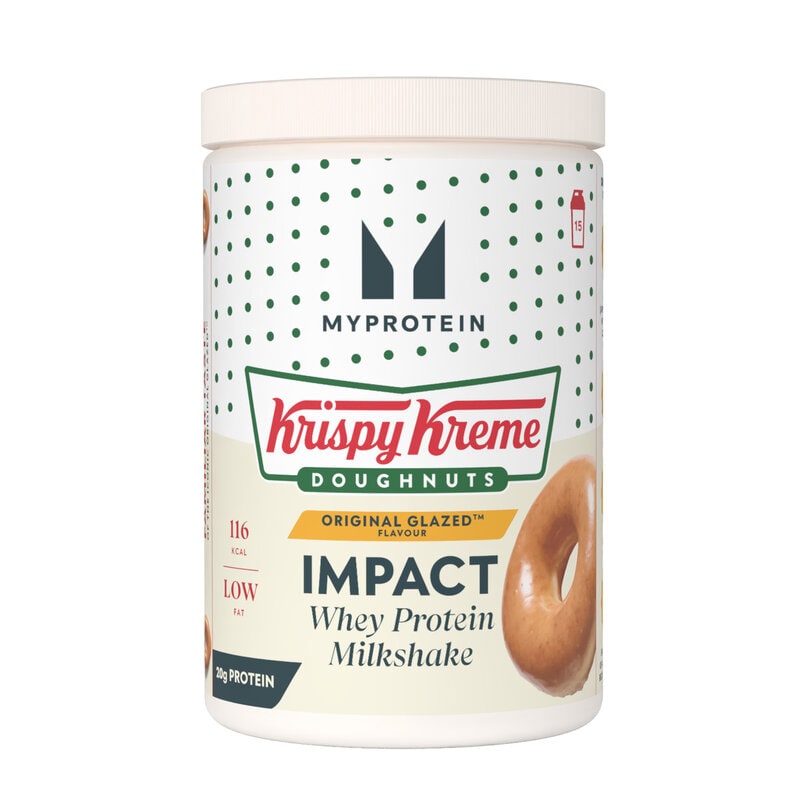
Myprotein and Krispy Kreme Launch Original Glazed Whey Protein
Dessert collaborations introduce differentiation in a crowded supplement market by linking functional benefits with familiar taste experiences.
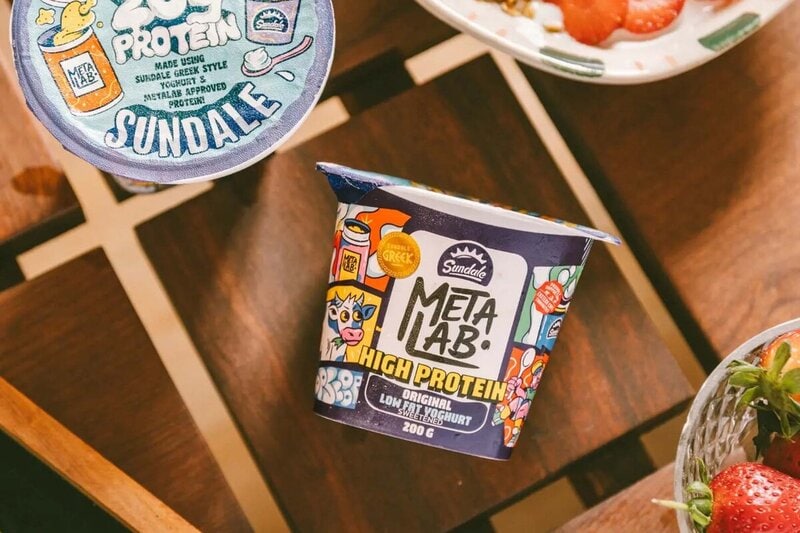
MetaLab and Sundale Bring a 20g Protein Yogurt to Checkers Stores
Low-fat, high-protein yogurt made with familiar dairy cues highlights potential for traditional dairy categories to compete in functional snacking and breakfast occasions.
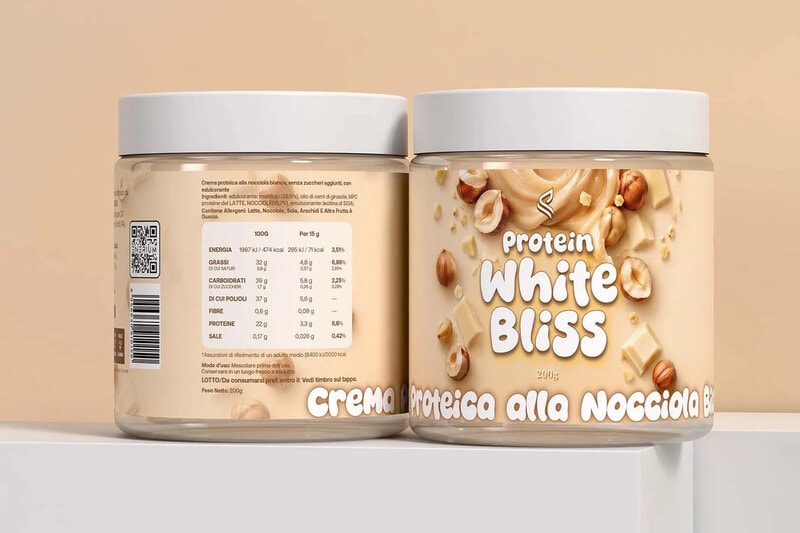
Enerium Labs Packs 22% Protein Into Protein White Bliss
Protein-forward recipes in familiar formats are expanding the market for foods that deliver measurable nutrition benefits without requiring major behavior changes.
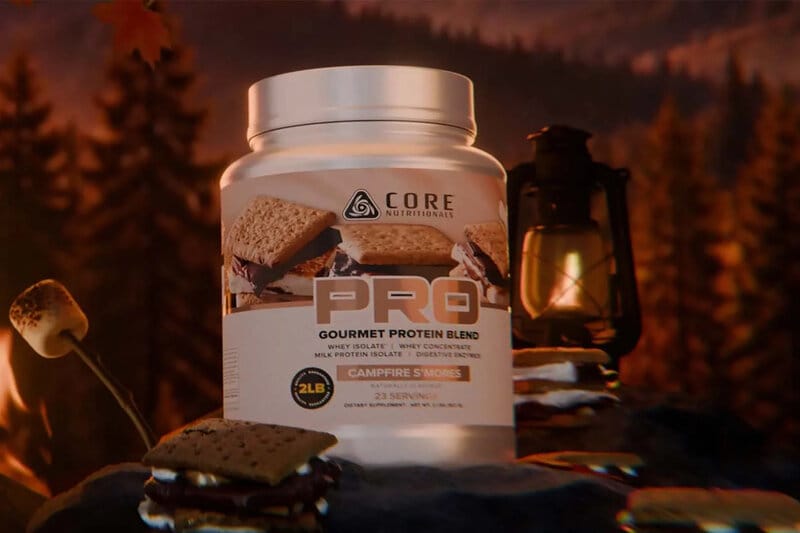
Core Nutritionals Turns Campfire S'mores Into a 25g Protein Shake
Protein powders are becoming more experiential as brands use limited flavors to differentiate formulas that might otherwise compete mainly on macros and price.
Workshop question
How could your brand use familiar flavor or texture cues to lower the barrier to trying a utility-led offering?
Trend themes
Functional nutrition is increasingly borrowing doughnut, s'mores, marshmallow and bakery references, creating room for indulgence-coded products that make daily protein intake feel less clinical.
Soft centers, gooey fillings, puffs, clusters and spreadable formats are reshaping sports nutrition, with sensory variety becoming a differentiator beyond macros and flavor.
Monthly drops, holiday flavors and culturally specific bakery inspirations bring snack-style novelty to protein products, opening space for recurring engagement in otherwise routine supplement categories.
Industry implications
Everyday staples like yogurt, spreads and snack mixes are gaining added-protein positioning, suggesting new crossover formats between wellness benefits and familiar grocery behaviors.
Legacy supplement formats are moving toward treat-like experiences, creating opportunities for brands to compete through enjoyment, collaborations and lifestyle appeal rather than performance messaging alone.
Recognizable sweet brands and pastry cues are extending into better-for-you nutrition, allowing indulgent categories to gain relevance in health-conscious snacking occasions.
Trend signals
Trend score 7.9 for the week of Oct 12, 2026. Momentum 5.8/10, persistence 0.0/10, backed by 4 research findings.
9 Trend Hunter articles were grouped into the wider weekly cluster this trend was identified in, over 1 week.
Research
Stealth Protein
Consumers want functional nutrition without needing to adopt a specialist identity.
Protein wins because it is easy to understand, broadly accepted, and increasingly available inside familiar foods, letting people signal wellness and satiety goals without radically changing routines.
Snack Utility
Consumers want fewer products doing more jobs.
A single shake or snack now needs to cover satiety, digestion, energy, micronutrients, and weight-management goals at once. Bundled functionality answers time pressure, decision fatigue, and the growing expectation that every eating occasion should earn its place.
Precision Protein
Consumers no longer see protein as a niche sports metric.
They want protein that feels usable, easier on digestion, and worth the calories or limited appetite they have available. That pushes brands to move beyond headline macros and prove that their protein is smarter, not just bigger.
Cultured Comeback
Consumers increasingly want function delivered through foods they already understand and trust.
Cultured dairy satisfies that need by offering protein, texture, and gut-adjacent benefits in forms that feel more kitchen-native than supplements. Its resurgence reflects a broader desire to make health look like normal eating, not like a separate regimen.