Category
Lifestyle
Texture Mimicry
Sports nutrition is being rebuilt for easier everyday use.
What's Happening
Dose Design: Performance supplements are increasingly moving into familiar, low-effort formats that fit more naturally into everyday routines. Drinks, portable servings, and dissolvable powders reduce preparation while maintaining efficacy cues around freshness and stability. As formats become more convenient and occasion-specific, brands are helping performance support feel more like an everyday habit.
Why It's Happening
Many consumers want the benefits of sports nutrition without the inconvenience of shaker bottles, complex routines, or multiple products. Familiar formats make functional products feel easier to trust, carry, and incorporate into daily life, helping reduce barriers to trial and repeat use. As wellness competes for a place in everyday routines, brands are increasingly focusing on removing friction around consumption. Delivery format is becoming as important as the active ingredient itself, shaping whether performance support feels practical enough for regular use.
Evidence
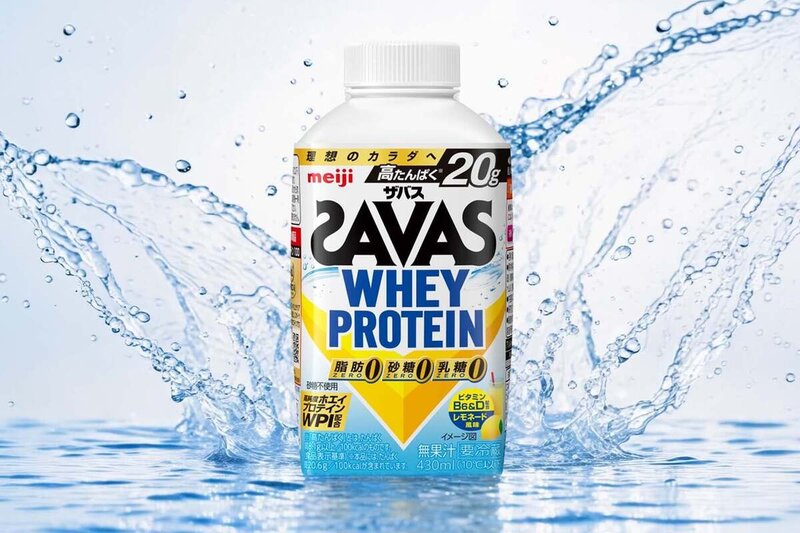
Savas Adds a Lemonade Flavor to Its Clear Whey Protein Line in Japan
Low-sugar, high-protein clear drinks signal new white space for brands blending sports nutrition with casual hydration occasions.
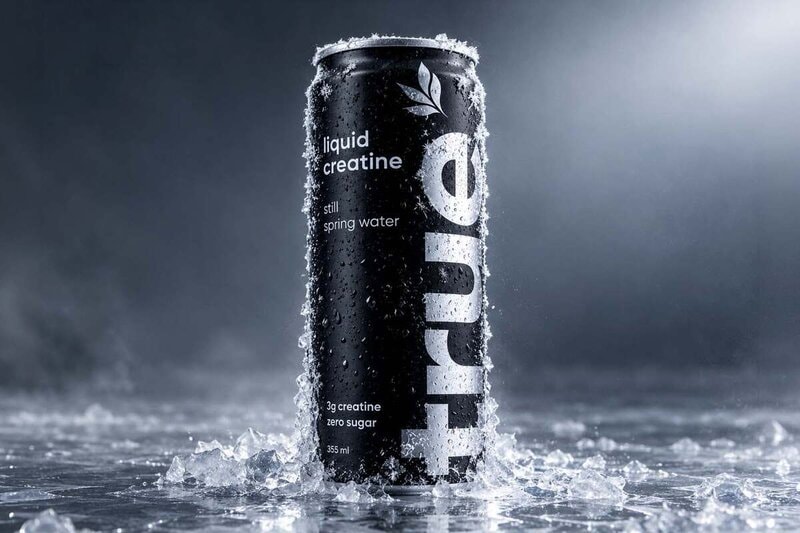
True Protein Brings Creatine To A Ready-To-Drink Can
Canned creatine expands the functional beverage market with technically differentiated products positioned beyond hydration, energy, and protein drinks.
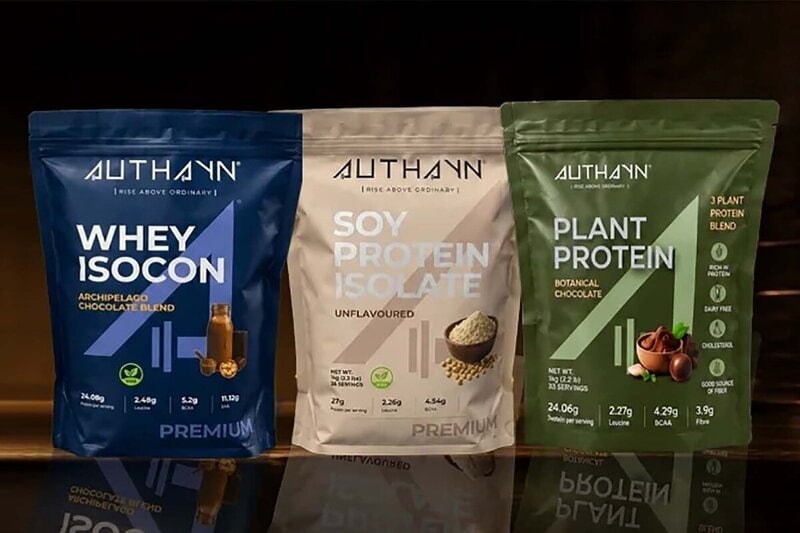
Authayn Puts the Scoop on Top of Its Supplement Pouches
Cleaner handling, verified claims, and improved flavor consistency can differentiate protein, amino, and creatine products in a crowded performance market.
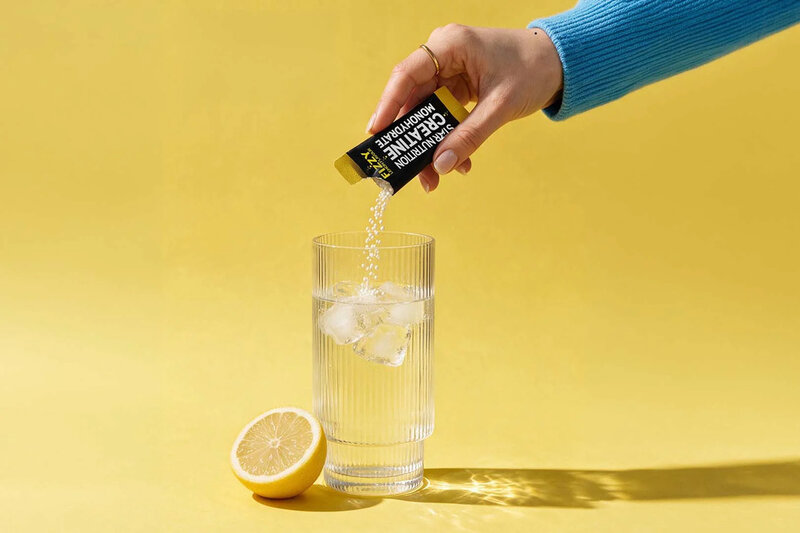
Star Nutrition Packs Fizzy Creatine Monohydrate into Lemon Sticks
The sports nutrition market is shifting toward formats that combine efficacy with convenience, making creatine more accessible through portable, flavored, and easy-to-use products.
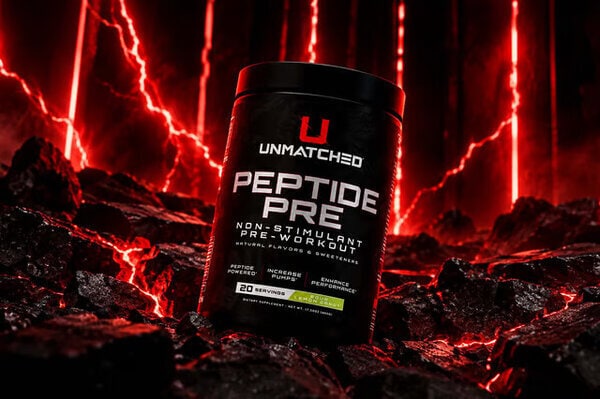
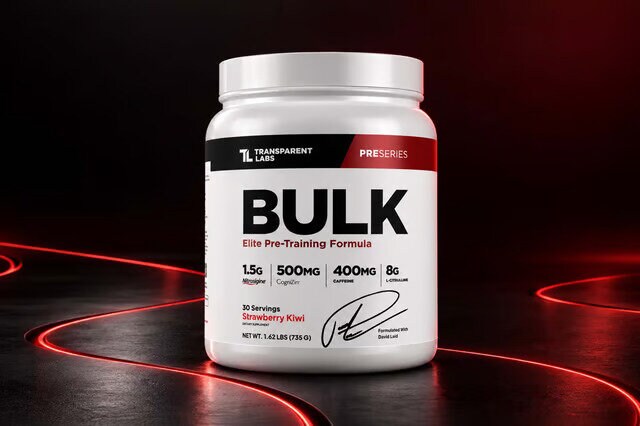
Transparent Labs’ ‘David Laid Bulk’ Doubles the Caffeine Dose
Premium pre-workouts with elevated stimulant profiles signal whitespace for specialized formulations tailored to niche training goals and tolerance levels.
Workshop question
How could your brand redesign a high-effort product so it fits more naturally into daily routines?
Trend themes
Sports nutrition is shifting into cans, sachets, cartons, and cleaner pouches where reduced prep, tidier handling, and portable dosing create room for formats that compete on daily convenience as much as formula strength.
Fixed servings for creatine, protein, and pre-workout needs are making performance products feel more predictable, opening space for targeted formats built around commute, gym bag, cooler, and convenience-store moments.
Juice-like protein drinks, stable creatine cans, and fizzy mixes translate specialized supplements into recognizable refreshment cues, suggesting potential for mainstream beverage shelves to absorb more performance nutrition use cases.
Industry implications
The category is being reshaped by packaging, stability, and portion-control innovations that make high-trust performance products easier to adopt beyond serious training routines.
Ready-to-drink supplement delivery is expanding the role of cans, cartons, and cooler products as technical ingredients become more viable in shelf-stable and refreshing formats.
Portable, single-serve nutrition formats are creating new merchandising possibilities where everyday wellness products can sit closer to impulse beverages, snacks, and on-the-go fitness purchases.
Trajectory
Latest reading 8.0 for the week of Oct 19, 2026. Holding over the final 3 scored weeks (±0.0), at its peak of 8.0. Momentum 6.0/10, persistence 5.0/10, backed by 4 research findings.
10 Trend Hunter articles were grouped into the wider weekly cluster this trend was identified in, over 3 weeks.
 Retail-Exclusive Longevity SupplementsCata-Kor Brings NMN and Liposomal NAD⁺ to Target
 Cold-Milled Saffron SupplementsNootropics Depot's Safralis Preserves Natural Saffron Compounds
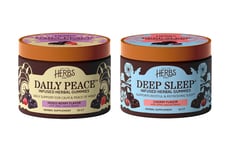 Liquid-Filled Herbal GummiesHerbs, Etc. Puts Fresh Plant Extracts into Sleep and Stress Gummies
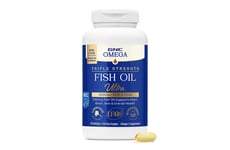 Modernized Omega SupplementsGNC's Triple Strength Formula Adds Easier-Swallow Formats
 Feline Health SupplementsNative Pet's Cat Line Delivers Daily Support for Picky Cats
Research
Chewable Beauty
Consumers want beauty support that feels easier, tastier and more routine-friendly than separate pills, powders and topicals.
Gummies succeed because they collapse supplementation, indulgence and visible-outcome aspiration into one format that feels approachable rather than medicinal.
Pet Longevity Stack
Pet owners increasingly want to do more than keep their animals fed; they want to actively extend quality of life.
Longevity positioning turns feeding into a form of future-proofing, giving consumers a sense of agency over aging, vitality, and time with their pets. That emotional payoff can justify premium ingredients and more sophisticated nutrition claims.
GLP-1 Sidecars
Medication adoption creates new everyday frictions that consumers try to solve with adjacent products rather than with pharmaceuticals alone.
Brands are responding to the need for routines that help users manage side effects, protect muscle mass and feel supported between prescriptions, visits and weigh-ins.
GLP Label Rush
GLP-1 has become bigger than a drug class; it is now a consumer shorthand for appetite, metabolism, and body-management aspirations.
Brands are rushing to borrow that language because people increasingly shop for surrounding support systems, even when the clinical meaning and efficacy of those adjacencies are far from equivalent.