
Category
Tech
Automated Upkeep
Brands launch campaigns that highlight the danger of overconsumption.


Trend
Sustainable De-Influencing: On social media, especially platforms like TikTok, the "de-influencing" trend is gaining traction. This movement flips the script on traditional influencer marketing by encouraging users to critically analyze trending products and resist impulsive purchases. De-influencers often expose potential drawbacks of popular items, prompting a shift in consumer behavior. As this movement gains traction, brands are strategically engaging in de-influencing campaigns to demonstrate their commitment to sustainable practices.
Insight
Social media's relentless promotion of consumption fuels the "de-influencing" movement, as consumers grapple with the paradox of acquiring "sustainable" products that may still contribute to environmental problems. This growing awareness prompts a reevaluation of what truly brings fulfillment and a critical examination of the beneficiaries within the endless consumption cycle – primarily large corporations – and the costs borne by both consumers and the environment. Interestingly, this shift in consumer behavior has the potential to redefine the very nature of brand loyalty in the digital age.
Trend themes
A social media trend that shifts focus from promoting consumption to encouraging critical analysis of popular products.
Campaigns that highlight and critique misleading sustainability claims made by brands.
Initiatives geared towards making consumers more aware of their consumption habits and promoting responsible shopping.
Industry implications
Platforms that can harness de-influencing trends to promote more conscious consumer behaviors.
An industry heavily scrutinized for its environmental impact, where anti-greenwashing campaigns can drive more authentic sustainability efforts.
A sector that can innovate with campaigns fostering mindful consumption to resonate with environmentally conscious consumers.
Workshop question
Trend signals
Trend score 6.4 out of 10, from popularity 89%, activity 81%, freshness 22%.
Evidence
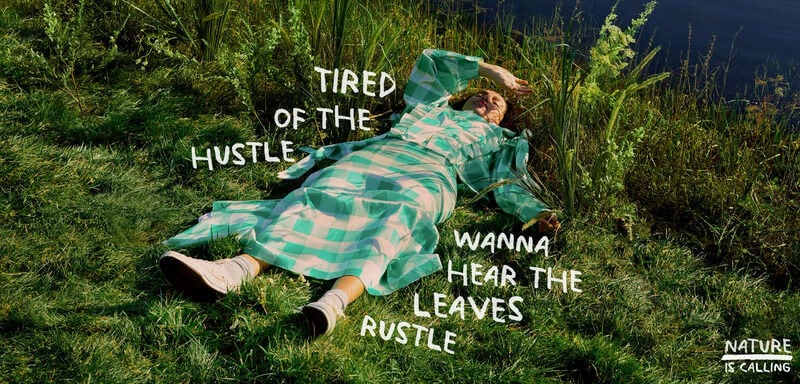
The 'Girls Just Wanna Grow Plants' Ad Aims to Reducing Consumption
The advertising industry can tap into the trend of nature-inspired marketing to promote brands that champion environmental consciousness and sustainable living.
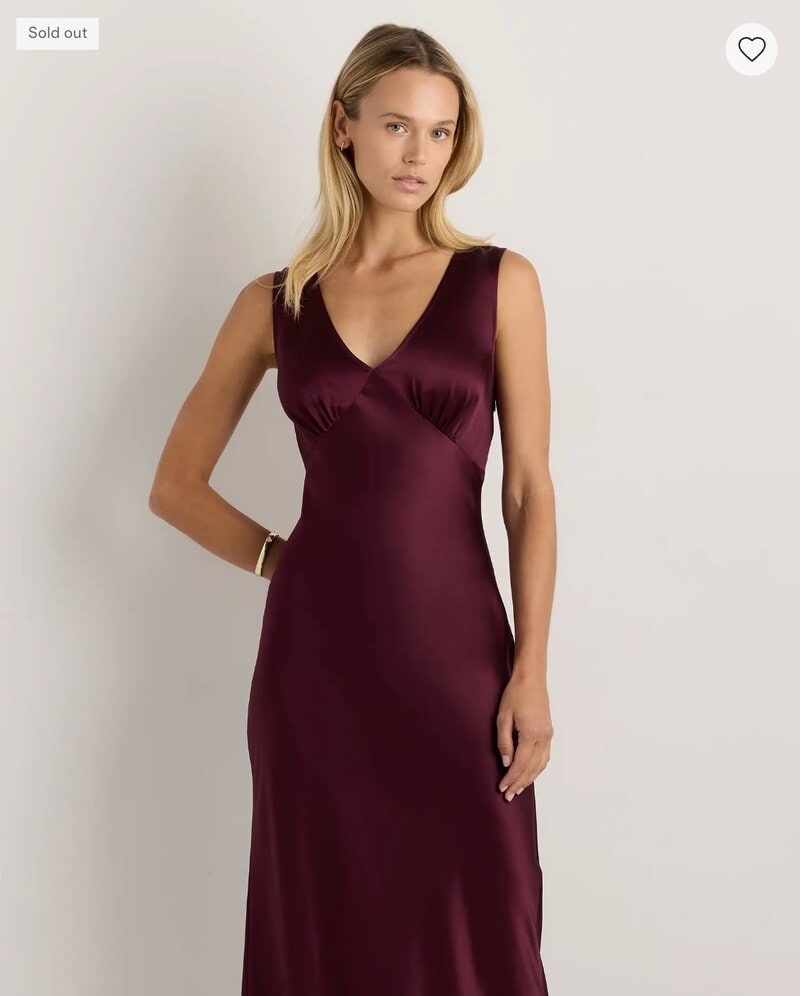
Cuyana's De-Influencing April Fool's Campaign Highlights Greenwashing
Leveraging de-influencing tactics to shift consumer perceptions and challenge greenwashing norms.
Navigating Eco-Consumer Irony with Better Climate Store's "Greenwash"
Creating opportunities for brands to differentiate themselves through thought-provoking sustainability campaigns.
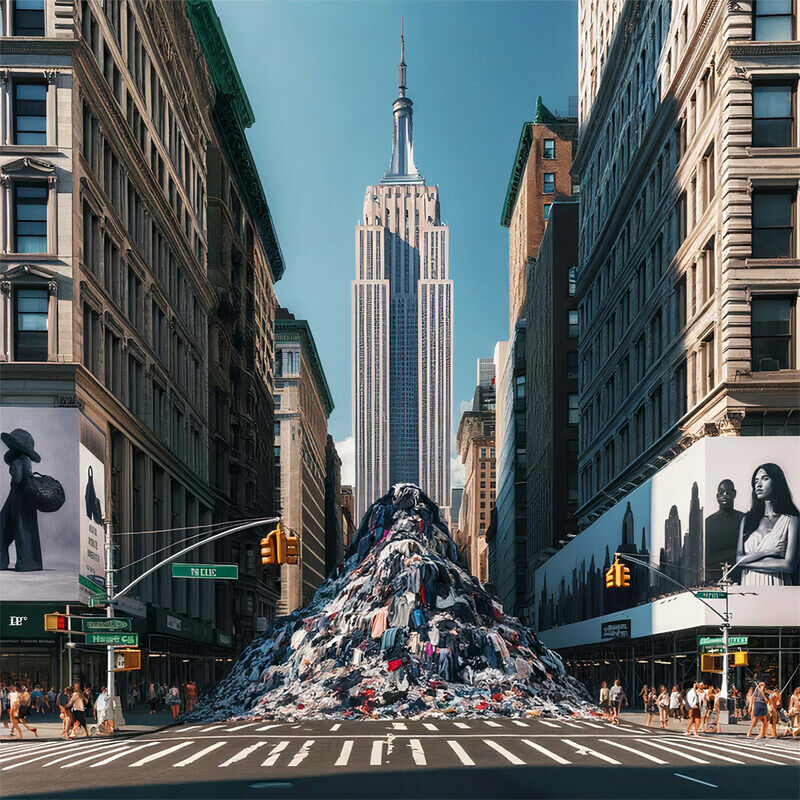
Vestiaire Collective Reminded People to Shop Mindfully on Black Friday
The fashion retail industry must adapt to the rise of fashion waste awareness and align with concepts of sustainability and responsible shopping.