Category
Lifestyle
Effortless Rounds
Millennials are seduced by the culture associated with coffee drinking.
Trend
Collective Coffee: Coffee is a beverage heavily associated with ritual and culture. As such, many millennial consumers are being initiated into coffee drinking by its cultural implications, which are being broadcast to them via social media. Ultimately, many young consumers want to be a part of something bigger than themselves, and once a product becomes representative of a lifestyle, it can be extremely seductive.
Trend themes
Coffee is being viewed as a lifestyle representation through social media, which attracts millennials to coffee shops.
Marketing teams are transforming functional, disposable cups into art on a small scale as a canvass to showcase creativity.
Cafes are using social media to provide promotions in recognition of online attitudes towards a brand or theme.
Industry implications
New opportunities in marketing campaigns around creativity, social media outreach and reward structures for younger demographic engagement.
The ability of social media to embody specific cultural representations, and its utility to gauge consumer attitudes and activate rewards.
Designers and brands can use novel approaches to transform simple experiences like coffee drinking into entertaining and delightful brand experiences.
Trend signals
Trend score 4.1 out of 10, from popularity 61%, activity 55%, freshness 8%.
Evidence
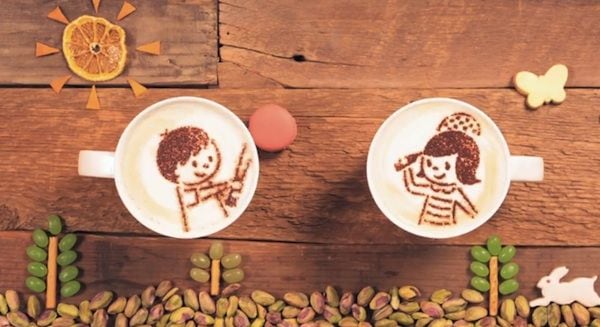
Aijinomoto General Foods's Latte Art Animation Adorably Tells a Love Story
The food and beverage industry can use the latte art animation trend to showcase their products in a unique way that appeals to customers' sense of fun and novelty.
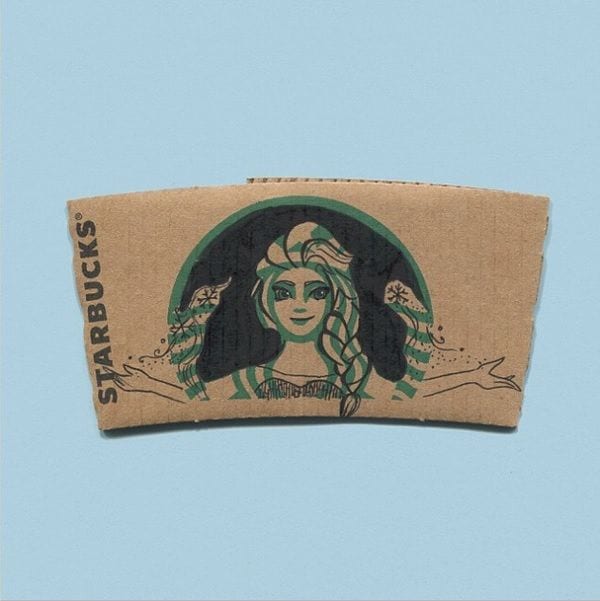
This Instagram User Draws Pop Culture Figures on Starbucks Sleeves
Coffee chains and local coffee shops can offer unique and fun designs on their disposable cups, attracting more customers.
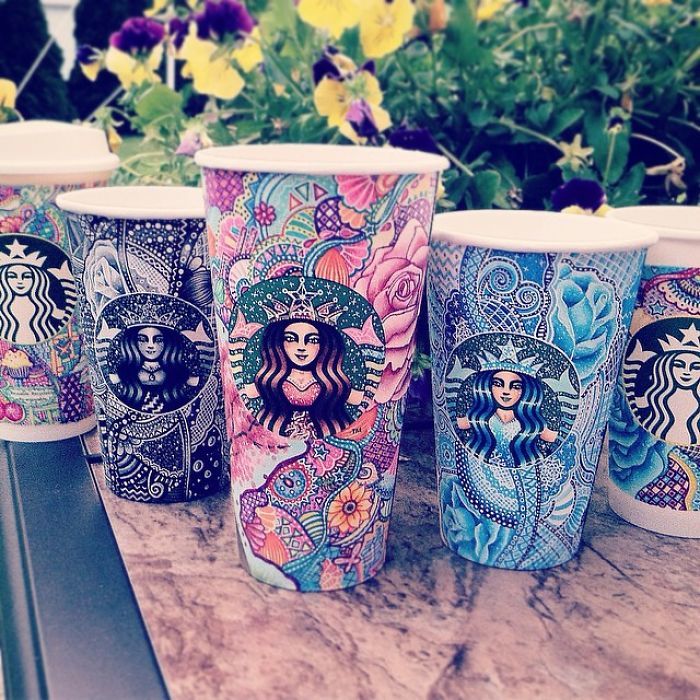
This Artist Creates Starbucks Cup Art with Dazzling Mosaic Patterns
Art supply manufacturers can develop specialized markers or pens tailored for creating intricate designs on unconventional surfaces, catering to the growing trend of mosaic art.
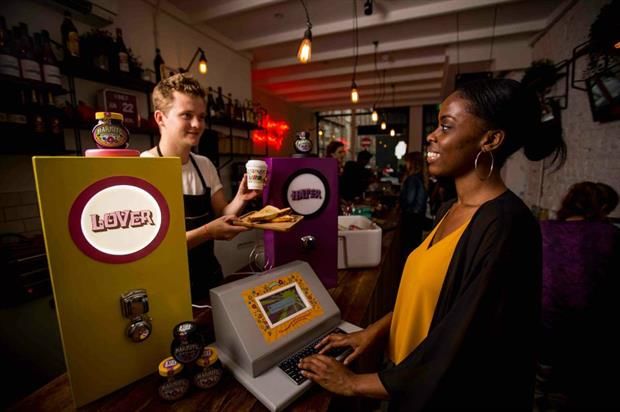
Marmite's Twitter Shop Treats 'Lovers' for Free, While 'Haters' Pay
Opportunities for restaurants, cafes, and food companies to incorporate sentiment-based payment systems and reward positivity, creating a unique and engaging customer experience.
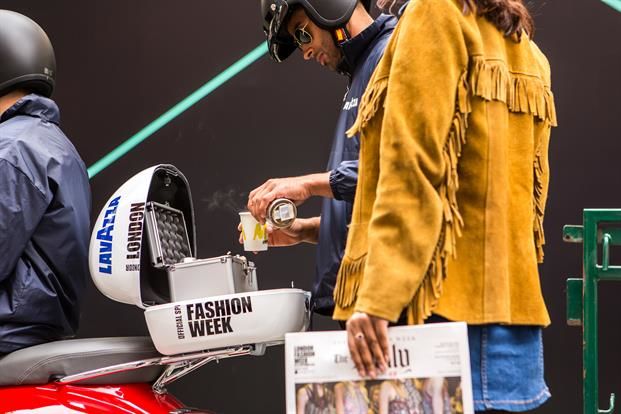
The Lavazza Crew and Vespa Dropped Off Free Coffee at LFW
Opportunity for fashion event organizers to enhance the overall experience by incorporating branded coffee bars and encouraging social media engagement.