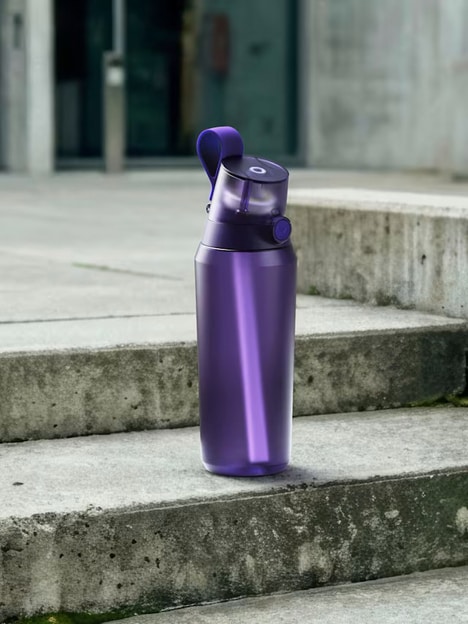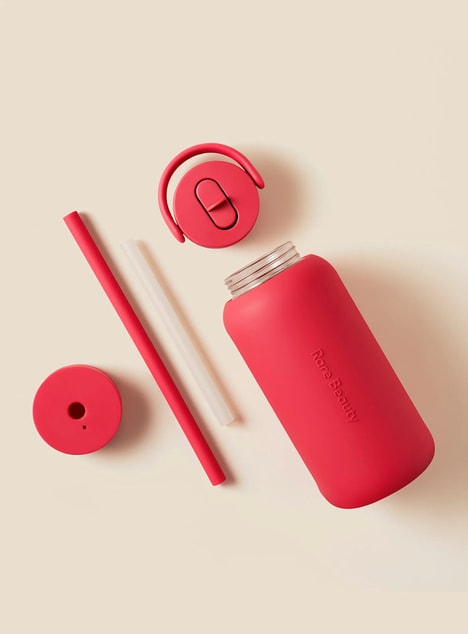
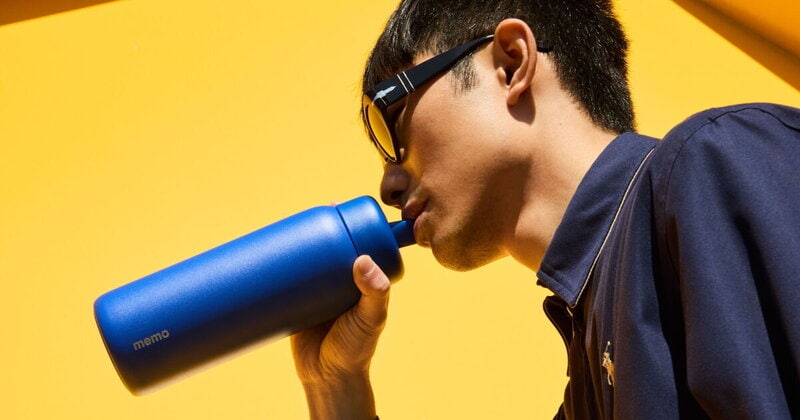
memobottle is shifting from its flat format to the memo Round, a reusable bottle with a lid that comes apart in about three seconds for cleaning. Its straw, inner plug and mouthpiece separate without tools, giving bag-carrying users direct access to the spots that collect residue.
The Sip360 top sits flush between sips, then rotates fully either way to lock before the bottle drops back into a bag. A double-wall 304 stainless steel body holds cold for 24 hours, resists condensation beside a laptop, and adds a silicone base with a clip-off strap.
The memo Round is on Kickstarter now in a car-cup-holder size and a larger all-day version, with reward shipping planned for November. Kickstarter placement and the fast-takedown lid turn bottle hygiene into a concrete buying feature in a category where the dirtiest parts are usually hardest to reach.
Image Credit: memobottle
Why This Trend Is Growing
- Tool-free Hygiene
- Modular bottle components that separate quickly expose new value in making hard-to-clean areas visible, accessible and central to everyday product differentiation.
- Bag-safe Hydration
- Leak-resistant rotating lids and condensation-free metal bodies reflect a growing opportunity for portable drinkware designed around laptops, commutes and packed daily routines.
- Cleanability-as-a-feature
- Hygiene-focused engineering is turning maintenance from an afterthought into a premium cue that can reshape consumer expectations in reusable goods.
Industries Being Reshaped
- Reusable Drinkware
- Easy-disassembly lids and residue-conscious designs create room for brands to compete on sanitation, convenience and long-term user confidence.
- Outdoor Gear
- Durable insulated bottles with straps, secure closures and easy-clean parts align with demand for rugged accessories that perform across travel, work and recreation.
- Crowdfunded Consumer Goods
- Kickstarter launches can validate niche ergonomic and hygiene upgrades before mass retail, especially in mature categories with overlooked pain points.