
Category
Lifestyle
Baseline Support
Making fun of societal misconceptions, activists poke fun to incite change.

What's Happening
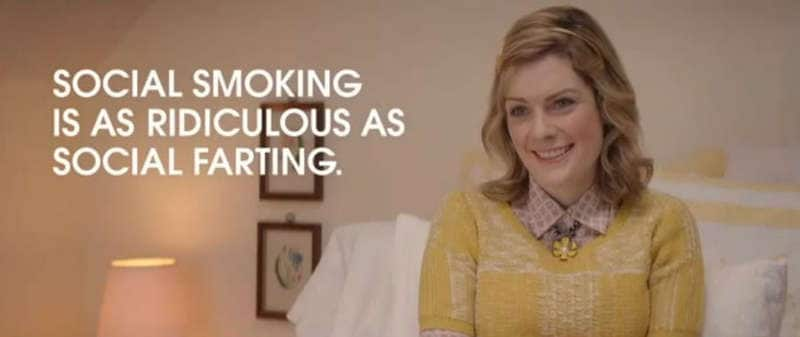
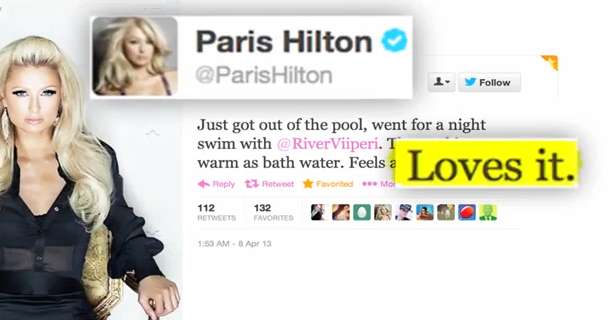
Social Shaming: Calling out the inconsistencies of the masses, activists are using societal misconceptions against the speakers to spark social change. Comparing topics like smoking to flatulence and incorrect grammar to homophobia, the campaigns dig at the ego of consumers to think more critically about their impact on society.
Evidence
This Canadian Anti-Smoking Ad Points Out Hypocrisy in Social Smoking
Innovations in anti-smoking campaigns can contribute to reducing smoking-related health issues.
Stonewall UK Are Targeting Schools with its New Campaign
Educational institutions can use these resources and campaigns to promote inclusivity and acceptance in schools.
Red Balloon Helps School Children Correct Errors in Celebrity Tweets
The convergence of technology and education can provide innovative solutions to address the negative impact of social media language on grammar skills.
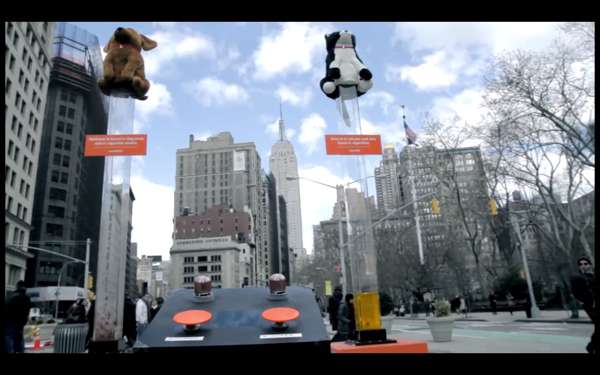
The Ugly Truth Campaign Connects Pet Feces to Smoking
Disruptive innovation opportunity: Create innovative approaches to anti-smoking education programs and campaigns within the healthcare industry.
Trend signals
Trend score 4.6 out of 10, from popularity 82%, activity 48%, freshness 8%.
Trend themes
Activists are using societal misconceptions against the speakers to spark social change by calling out inconsistencies of the masses.
Promoting proper grammar to combat the wrong use of language children see every day, like the use of homophobic language in schools.
Campaigns linking smoking to pet feces being used to educate the public about how disgusting smoking is.
Industry implications
Activists can use societal misconceptions to shame and promote change.
Educational institutions could find opportunities by helping students identify and correct errors in language use.
Public health industry can use disgust and unexpected linking (like pet feces and smoking) to deter people away from harmful habits.